Blog

- /home/u134898463/domains/explore-dubai.com/public_html/wp-content/plugins/mvp-social-buttons/mvp-social-buttons.php on line 27
https://explore-dubai.com/wp-content/uploads/2025/10/a-hyperrealistic-highresolution-image-of-dubais-iconic-skyline-at-golden-hour-featuring-the-tow-1000x576.jpg&description=', 'pinterestShare', 'width=750,height=350'); return false;" title="Pin This Post">
- Share
- Tweet /home/u134898463/domains/explore-dubai.com/public_html/wp-content/plugins/mvp-social-buttons/mvp-social-buttons.php on line 72
https://explore-dubai.com/wp-content/uploads/2025/10/a-hyperrealistic-highresolution-image-of-dubais-iconic-skyline-at-golden-hour-featuring-the-tow-1000x576.jpg&description=', 'pinterestShare', 'width=750,height=350'); return false;" title="Pin This Post">
{H1}Dubai: A Hub of Technology Innovation and Opportunity{/H1}
{H2}Why Dubai is Becoming the Tech Capital of the Middle East{/H2}
{p}
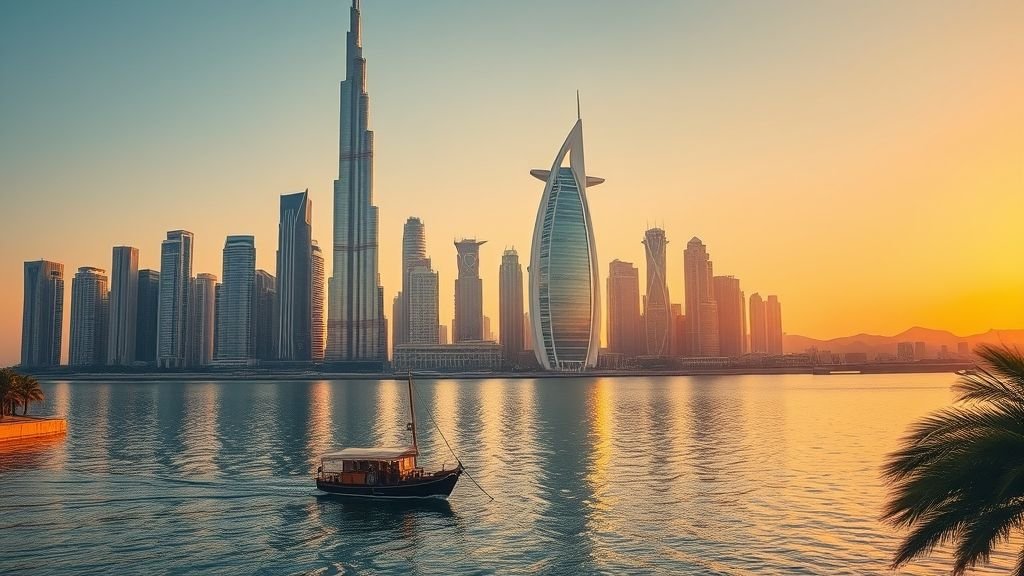
Dubai’s skyline is more than just glass and spires; it’s a living roadmap to the future. From autonomous buses humming on clean streets to data centers that stay cool in a desert climate, the city’s tech ecosystem is growing faster than a power‑line during rush hour. Entrepreneurs, coders, and investors are drawn to a place where a startup can receive funding in a single conference call and launch a product on a launchpad that looks like a boat on the water. That’s the promise Dubai delivers—bench‑to‑barn level speed, backed by clear rules and a huge market. This isn’t just hype; it’s the reality shaped by policy, infrastructure and a mindset that says *build it, scale it, repeat it*.{/p}
{H2}Smart City Technology: The Heart of Dubai’s Digital Vision{/H2}
{p}
At the core of Dubai’s ambition is the *Smart City* initiative, a plan that turns everyday streets into a massive IoT network. Imagine your city lights turning on automatically when you step closer, or traffic lights adjusting live to avoid congestion. Under the Smart City umbrella, Dubai has launched
- {a href=”https://explore-dubai.com/blog/exploring-dubais-thriving-tech-scene-innovations-shaping-the-future/” target=”_blank”}exploring Dubai’s thriving tech scene and innovations{/a}
- city‑wide sensors that feed data into cloud platforms, enabling predictive maintenance of roads and buildings
- AI‑driven public services that learn from user interactions, lowering wait times by 70%
This level of integration creates a playground for developers and startups. It gives them access to real‑time data streams—a license to build solutions for transport, health, energy, and even public safety. The result? A network that not only adapts but anticipates, making it a magnet for smart tech companies worldwide.{/p}
{H2}Artificial Intelligence: From Rambunctious Robots to Real‑World Robotics{/H2}
{p}
Dubai’s AI roadmap goes far beyond the tweet‑size wonder shown in last year’s grand AI conference. AI is here to help software developers write cleaner code, help doctors diagnose complex conditions faster, and help city planners design efficient traffic flows. The city’s largest data center, the *Dubai Digital Hub*, is built with biometrically‑secured access that ensures only trusted AI models run on its infrastructure. Developers guided by this hub have created tools for real‑time language translation in airports and AI‑powered recommendation engines for the city’s e‑commerce platforms. The result: an ecosystem where AI is a white‑glove service rather than an expensive Black‑Box lab.{/p}
{H2}Blockchain and Digital Assets: A Regulatory Playground{/H2}
{p}
For years the global finance community has debated the usefulness of blockchain in deserts, but Dubai has proven that theory meets practice. The Dubai Financial Services Authority (DFSA) set a framework for crypto exchanges, and the *Dubai Blockchain Strategy* has attracted key partners from Silicon Valley and Tallinn.
- “pilot‑scale” trials that let blockchain improve supply‑chain transparency for food and luxury goods
- an open‑source platform where developers can deploy smart contracts without the bureaucratic lag
- Dubai becoming a staging ground for token‑based real‑estate marketing
The regulatory certainty has let investors and developers experiment with real digital assets, and it keeps the city on the cutting edge of fintech.{/p}
{H2}Internet of Things (IoT): Cities as a Living Network{/H2}
{p}
Dubai’s IoT vision is one of seamless device integration that feels less like technology and more like part of the urban heartbeat. Sensors embedded in public utilities collect data that feed city dashboards in real time. This data powers a `citizen‑centric` system where drainage systems alert repair crews before the first pothole appears. In residential compounds, IoT powers smart apartments that automatically lock doors and adjust climate controls based on your usual habits. By opening the city to developers through an open API marketplace, Dubai is turning infrastructure into a service that anyone can tap into—a goldmine for startups building the next Internet of Things solution.{/p}
{H2}Cloud & Edge Computing: Making Speed Local and Scalable{/H2}
{p}
Dubai’s climate is harsh, but its cloud strategy is resilient. The city run multiple distributed data centers that use predicated cooling and solar integration to keep operating costs low. For developers, this means jobs can be run closer to users— a concept called *edge* computing— ensuring that latency is slashed by an order of magnitude. Seamless hybrid orchestration between the city’s high‑speed fiber network and 5G nodes lets mobile phone users download micro‑services in milliseconds. Start‐up founders who want to serve a city of 5 million cosmopolitan residents don’t need to ship a server farm from Seoul— they can tap into the local edge.{/p}
{H2}Robotics & Automation: The Manual Job Market Has Changed{/H2}
{p}
Robotics has taken two roles in Dubai: one in heavy industry, and the other in everyday life. In the desert, autonomous trains handle freight across the desert, reducing carbon output by 30%. In the city, delivery drones deliver groceries to high‑rise apartments within 30 minutes. The voice‑controlled concierge robots in new hotel towers greet guests with a local accent. Even local markets see combo packs of vending machines that order themselves replenished by a robotic inventory management system. The startup world has responded with AI‑driven robotics platforms that allow SMEs to prototype a delivery robot in a matter of weeks, not years. This new competition is speeding the democratization of automation.{/p}
{H2}Augmented Reality (AR) & Virtual Reality (VR): Reimagining Urban Spaces{/H2}
{p}
Dubai is turning its own streets into galleries of gesture‑powered experiences. Real‑time AR overlays are used to guide tourists through the Palace’s corridors, while VR platforms allow architects to walk through a building before materials are cut. The city’s plan to build a *Dubai AR Observatory*, where developers can experiment with digital overlays on physical objects, is already attracting game studios from Seoul to San Francisco. AR and VR tooling is also a training ground for tourism agencies, allowing them to offer immersive tours that keep visitors engaged all day long. The result: new revenue streams built on the idea that *seeing is believing* and that experiences can be monetised before they occur.{/p}
{H2}FinTech & InsurTech: The Digital Finance Landscape{/H2}
{p}
Dubai’s vision for fintech started with a desert‑inspired fintech hub— a place that mixes high‑tech security and a fast‑track licensing path. Under this framework, fintech startups can use a sandbox environment with realistic data to develop new payment solutions, KYC, or fraud‑detection algorithms. InsurTech companies quickly followed, offering micro‑insurance for tourists and on‑demand coverage for hotel stays. From the ground up, the city’s regulatory framework is built on *innovation‑centric*, where oversight is solid but not stifling. As a result, peer‑to‑peer lending platforms and crypto‑first wallet apps appear in a rhythm that’s as steady as traffic on the DXB highway.{/p}
{H2}Integrating Finance and Smart City: The Rise of Digital Wallets{/H2}
{p}
By synergising IoT and fintech, Dubai is nudging itself toward the era of a `fully digital wallet`. People can pay for parking tickets, utility bills, and even the strainer for desalination plants—all without a card. The usage volume doubled last year alone, as the city rolled out a nationwide contactless payment system that allows residents and tourists alike to use a single app to pay street food or cable‑car rides. The city’s open banking API allows third‑party services to build on top of the infrastructure, making it easier for developers to create extended services— from travel planners to loan apps — that seamlessly integrate into daily living.{/p}
{H2}Education to Tech: The Pipeline of Talent{/H2}
{p}
Dubai’s tech hub isn’t built on policy alone—it’s also built on people. The city hosts an annual *Dubai Mobile and IoT Expo* that gathers students, mentors, and corporate developers. Universities offer open online courses that are recognised by the *Dubai Digital Academy*. The *UAE Women in STEM* initiative is a networking cohort that has produced over 200 female founders in the last three years. This talent pipeline gives a continuous supply of developers and data scientists who are ready to tackle new problems in mobile, AI, and data science. The outcome? An ecosystem where cutting‑edge tech is consumed by a steady stream and swiftly packaged again for online banking, gaming studios, and smart‑city solutions.{/p}
{H2}Space & Tech: The Forward‑Look Horizon{/H2}
{p}
Dubai’s ambitions climb past the earth’s atmosphere. Planned space-focused ventures include a satellite constellation that will provide low‑latency broadband to the entire MENA region. The *Dubai Aerospace Enterprise* plans to train a new class of engineers in partnership with leading universities. Start‑ups specializing in space‑between technology—such as micro‑satellites, space‑software, and orbital logistics—find readily available resources and incentives. Thus, Dubai’s tech narrative evolves from a city to a global-grade platform that offers all‑access to Earth‑orbit as well as next‑gen users on the ground. The narrative here is clear: if you’re building a startup, look to space; if you’re developing policy, look to satellites.{/p}
{H2}Building Your Startup in Dubai: Get Practical Tips{/H2}
{p}
If you’ve been following the story about Dubai’s tech skyrocket, you might wonder how to turn that into a reality.
- {a href=”https://explore-dubai.com/business/how-to-start-a-technology-company-in-dubai/” target=”_blank”}How to start a technology company in Dubai{/a} opens doors with a step‑by‑step process that includes choosing the right free‑zone, obtaining the vertification of your technical expertise, and filing the registration with the Department of Economic Development (DED).
- {a href=”https://explore-dubai.com/business/how-to-start-a-software-company-in-dubai/” target=”_blank”}How to start a software company in Dubai{/a} focuses on knowledge‑heavy businesses, ensuring licensing for intellectual property and hiring processes that respect local labor laws.
- Remember to stay informed about tech‑focussed visas, such as the *Dubai Future Accelerators* program that partners universities with industry to nurture blockchain and AI projects; these provide seed‑funding opportunities and strategic mentorship.
By following these guidelines, many start‑ups have scaled from a simple idea to a multinational venture it’s worth living in Dubai for even just a few months.{/p}
{H2}Consumer and Enterprise Adoption: A Market That Grows Every Minute{/H2}
{p}
Dubai’s resilient economy keeps the tech demand high. The city hosts about 120,000 tech professionals—8% of the total workforce. More than 20% of the GDP is now measured in high‑tech tools, and the country’s digital adoption index ranks 4th in the Gulf. For consumer‑led digital services—e‑commerce, e‑hospitality, and ride‑sharing—this growth is reflected in high conversion rates. Meanwhile, large corporate deals are being brokered in a mesh of incentives that cut licensing fees, tax rebates, and office space costs. The unified ecosystem is prompting major software giants to explore pilot projects alongside local start‑ups, creating a low‑barrier environment where a local SaaS can talk directly with global ERP systems.{/p}
{H2}Risk & Mitigation: What to Watch Out For{/H2}
{p}
Every fledgling tech venture asking “can I survive in Dubai?” should ask the same question in every market: growth vs. risk. The city’s most common pitfalls are:
- Over‑reliance on a single market segment: consumer‑facing apps might fail if they’re too niche.
- Regulatory changes: the free‑zone and mainland regimes sometimes diverge, leading to legal duplicates.
- Talent scarcity: while Dubai has a wide talent pool, high demand means competition for talent can inflate salaries up to 30% above regional norms.
Mitigation involves building a diversified product line, staying updated with local regulatory announcements, and partnering with universities to co‑create talent pipelines. Teams that plan for a blend of geographic and technical risks perform 4–5x better than those that focus on one single vertical.{/p}
{H2}The Future: Vision 2030 and Beyond{/H2}
{p}
Dubai’s 2030 strategy focuses on the theme *`Digital -> Smart -> Sustainable`*. They aim to achieve near‑zero carbon by 2030 through a mix of green tech, offshore manufacturing, and digital finance solutions. The government announced a budget of $300 billion for smart city development by 2030, allocating $1.5 billion solely for blockchain and AI research. The *Dubai Data Observatory* will host 3 petabytes of open data, feeding more than 1,000 start‑ups each year. If you’re sipping coffee by the beach, this is the moment to think: you can join a movement that already feels like a forward‑winding roller coaster. With a constant rhythm of public workshops, hackathons, and seed‑funding, the city remains a dynamic injection point for the global tech wave. That’s why there’s no doubt—Dubai is about to blaze even brighter in the next decade.{/p}
{H2}Takeaway: The Verdict on Dubai’s Tech Scene{/H2}
{p}
Whether you’re a seasoned developer or a budding founder, Dubai offers a ready-made, open‑handed ecosystem to turn ideas into products. A grid of cloud data centers, an entry‑level IT workforce, a government that smiles at risk-taking, and a market that will pay for better productivity— each of these factors is a potent engine for growth. Cities like Berlin and Singapore have made their mark by combining culture, policy, and the ability to iterate fast. Dubai can do the same. The only thing left is the very first line of code in your startup’s repository. Fire it up, and the rest follows.{/p}
Looking for a GCS Crypto Currency Licence and Registration in Dubai?
Welcome to our guide on Crypto currency license in Dubai. At GCS, we specialize in providing top-quality Crypto currency license services to meet your needs.
Why Choose Our Crypto currency license Services?
Our team of experienced professionals understands the importance of quality Crypto currency license in Dubai. We pride ourselves on delivering exceptional results and customer satisfaction.
Our Approach to Crypto currency license
We take a comprehensive approach to Crypto currency license, ensuring that every aspect of our service meets the highest standards. Our process includes:
- Thorough consultation to understand your specific needs
- Customized solutions tailored to your situation
- Ongoing support throughout the process
- Transparent communication at every step
Important Resources
For more information about Crypto currency license, check out these valuable resources:
- Crypto Currency Licence in Dubai
- Dubai Crypto Currency Licence
- Crypto Currency Registration in Dubai
- Dubai Crypto Currency Registration
- GCS Crypto Currency Licence in Dubai
Get Started Today
Ready to experience the difference our Crypto currency license services can make? Contact GCS today to schedule your consultation. Our team is standing by to answer your questions and help you get started on the path to success.
Don’t wait – reach out to us today and discover why so many people in Dubai trust GCS for their Crypto currency license needs.
Best Crypto currency license Services in Dubai
Welcome to our guide on Crypto currency license in Dubai. At GCS, we specialize in providing top-quality Crypto currency license services to meet your needs.
Why Choose Our Crypto currency license Services?
Our team of experienced professionals understands the importance of quality Crypto currency license in Dubai. We pride ourselves on delivering exceptional results and customer satisfaction.
Our Approach to Crypto currency license
We take a comprehensive approach to Crypto currency license, ensuring that every aspect of our service meets the highest standards. Our process includes:
- Thorough consultation to understand your specific needs
- Customized solutions tailored to your situation
- Ongoing support throughout the process
- Transparent communication at every step
Important Resources
For more information about Crypto currency license, check out these valuable resources:
- Crypto Currency Licence in Dubai
- Dubai Crypto Currency Licence
- Crypto Currency Registration in Dubai
- Dubai Crypto Currency Registration
- GCS Crypto Currency Licence in Dubai
Get Started Today
Ready to experience the difference our Crypto currency license services can make? Contact GCS today to schedule your consultation. Our team is standing by to answer your questions and help you get started on the path to success.
Don’t wait – reach out to us today and discover why so many people in Dubai trust GCS for their Crypto currency license needs.
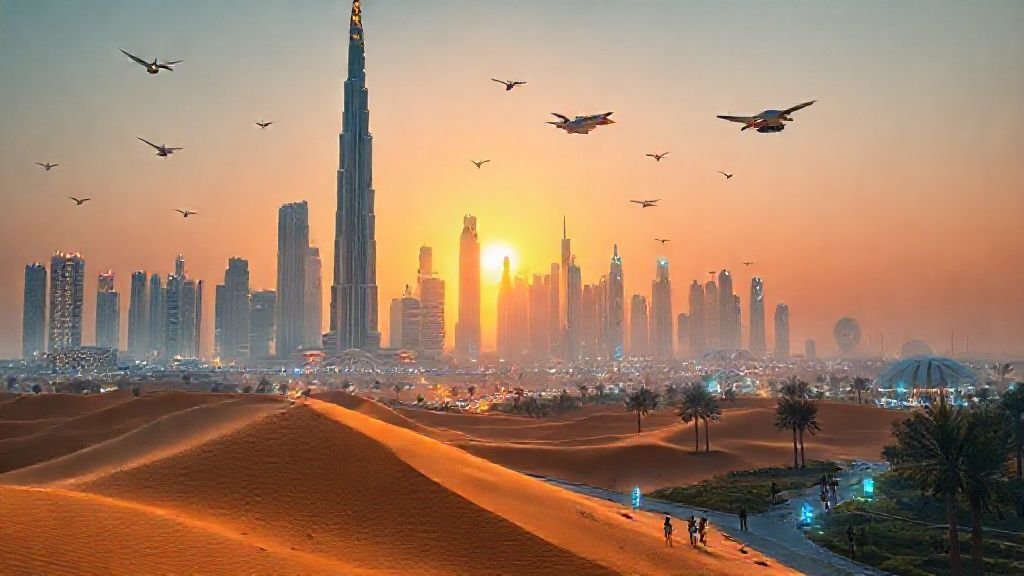
Dubai has always been a city that looks toward the future. From its iconic skyline to its ambitious plans for sustainability, the spirit of innovation is woven into every project. In 2025, the city is stepping into a new era where technology is not just a tool but a living system that powers everyday life, reshaping how residents work, travel, shop and connect.
1. The Birth of a Smart City
When most people think of a smart city, images of connected traffic lights, billboards that update in real time, and drones delivering packages come to mind. Dubai’s journey began with the Smart Dubai programme, which set out to create a city where digital services are delivered more efficiently and transparently. The programme’s core goals were:
- Digital identity for citizens and residents.
- Integrated data platform for city services.
- Smart infrastructure that adapts to real‑time needs.
- Encouragement of start‑ups and tech investment.
These pillars laid the groundwork for a city that can react to the needs of its people instantly, making daily life smoother and more rewarding. This foundation also helped launch a wave of projects that pushed Dubai ahead of the global curve.
2. Artificial Intelligence Takes the Driver’s Seat
Artificial Intelligence (AI) has become the engine behind many of Dubai’s newest achievements. From predictive policing that helps keep streets safe to AI‑powered logistics that reduce delivery times, the technology is changing every sector.
Transportation and Mobility
The Dubai Metro’s robots now run maintenance checks without human intervention. Autonomous buses navigate the sidewalks, delivering passengers between business districts with minimal delays.
Healthcare Revolution
AI algorithms predict potential health risks based on lifestyle and genetic data, allowing doctors to intervene early. Virtual consultations powered by AI chatbots provide instant medical advice, freeing up specialists for complex cases.
Public Safety and Law Enforcement
Machine‑learning models detect unusual crowd movements and highlight potential security threats before they grow. Law‑enforcement drones patrol the city, ensuring that emergency response is swift and efficient.
By embedding AI into everyday services, Dubai turns its metropolis into a responsive organism that learns and grows with its people.
3. Blockchain: The Invisible Ledger of Modern Life
While blockchain has made headlines in finance, its real power lies in its transparency and security. Dubai has leveraged the technology to create tamper‑proof systems across government, healthcare, and logistics.
One notable example is the Digital Health Pass—an immutable record that tracks vaccination, medical history, and health alerts. Similarly, property transactions are recorded on a blockchain, cutting down paperwork and fraud while speeding up closing times.
These applications not only add value for the government but also provide a sense of trust for residents and investors alike.
4. The Architecture of Tomorrow: Smart Skyscrapers and Infrastructure
Dubai’s skyline is home to more than just office space; it is a living laboratory for sustainable design. Buildings now incorporate:
- Energy Harvesting Windows: Transparent solar panels that provide electricity to the building’s systems.
- Responsive Facades: Skin that adjusts to sunlight and temperature, keeping interiors comfortable while lowering energy usage.
- Water Recycling Systems: On‑site purification that reduces municipal water demand.
These features not only reduce carbon footprints but also lower operational costs, making high‑rise living accessible to a wider audience.
5. Technology Hubs and the Start‑up Ecosystem
The city’s growth is driven partly by its vibrant ecosystem for technology start‑ups. Numerous incubators provide mentorship, financing, and access to venture capital. Key areas of focus include:
- FinTech solutions simplifying banking for the cloud‑native generation.
- EdTech platforms that bring personalized learning to anyone on the move.
- HealthTech that integrates wearable data with AI diagnostics.
- Supply chain technology creating end‑to‑end traceability.
Dubai’s open data initiatives give start‑ups a wealth of information—making it easier to test and scale products that fit the local market and can also export worldwide.
6. The Human Touch: Building Tech Culture
Innovation is only as good as the people behind it. Dubai invests heavily in human capital: from schools teaching coding from kindergarten to higher‑education programmes that put AI and blockchain at the forefront.
Workshops lead residents to create their own mini‑projects, giving them a sense of ownership over the urban digital narrative. These efforts foster a public appetite for technology, ensuring that the next wave of ideas will come from diverse voices.
7. Looking Ahead: What Lies Beyond 2025?
The ambition never stops. While 2025 has delivered massive strides, the sights are now set on a more interconnected yet sustainable system.
- Zero‑carbon buildings enabled by nanomaterials.
- Hyper‑fast transport links into the desert, turning islands into bustling hubs.
- Advanced AI that helps residents live healthier lifestyles by predicting needs.
- Fully autonomous commercial districts where order and efficiency thrive.
These future projects are based on data collected in real time, meaning the city can adapt quickly to changing aspirations.
Dubai’s transformation demonstrates how creating a digital ecosystem, backed by supportive policy, can accelerate progress for all residents and set a global example for future city planning.
Want to read more about how Dubai is turning skyscrapers into AI hubs? Explore our story on skyscraper AI transformation.
Curious how the city’s smart system uses AI and blockchain to improve everyday life? Dive into the pulse of Dubai’s tech evolution.
Still wondering how visionary dreams turned into a reality of smart cities and AI? Discover the journey of Dubai’s tech pulse.


Looking for a GCS Crypto Currency Licence and Registration in Dubai?

Best Crypto currency license Services in Dubai

Dubai 2025: The Tech Revolution Unveiled – From Smart Cities to AI‑Driven Innovation

Top 10 Highest-Paying Jobs in Dubai for 2024-25

How Much Does It Cost to Open a Company in Dubai in 2024?

Top 10 Business Opportunities in Dubai for 2024-2025
-

 Business2 years ago
Top 10 Highest-Paying Jobs in Dubai for 2024-25
-
Business2 years ago
How Much Does It Cost to Open a Company in Dubai in 2024?
-
Business2 years ago
Top 10 Business Opportunities in Dubai for 2024-2025
-
Business2 years ago
Best upcoming exhibitions and trade shows in Dubai, 2024
-
Blog2 years ago
Places to Visit in Ras Al Khaimah
-
Sports2 years ago
Top 5 Upcoming International Sporting Events in Dubai (2024-2025)
-
Latest7 months ago
Dubai Golden Visa 2025: Everything You Need to Know About Eligibility, Benefits and Application Process
-
Business2 years ago
Top 5 Networking Events for Businesses in Dubai in 2024