Blog
Dive Into Dubai’s Tech Future: From Smart Cities to AI‑Powered Innovation


- /home/u134898463/domains/explore-dubai.com/public_html/wp-content/plugins/mvp-social-buttons/mvp-social-buttons.php on line 27
https://explore-dubai.com/wp-content/uploads/2025/11/dubai-skyline-at-dusk-towering-burj-khalifa-and-futuristic-skyscrapers-glowing-with-dynamic-hologra-1000x576.jpg&description=Dive Into Dubai’s Tech Future: From Smart Cities to AI‑Powered Innovation', 'pinterestShare', 'width=750,height=350'); return false;" title="Pin This Post">
- Share
- Tweet /home/u134898463/domains/explore-dubai.com/public_html/wp-content/plugins/mvp-social-buttons/mvp-social-buttons.php on line 72
https://explore-dubai.com/wp-content/uploads/2025/11/dubai-skyline-at-dusk-towering-burj-khalifa-and-futuristic-skyscrapers-glowing-with-dynamic-hologra-1000x576.jpg&description=Dive Into Dubai’s Tech Future: From Smart Cities to AI‑Powered Innovation', 'pinterestShare', 'width=750,height=350'); return false;" title="Pin This Post">
Dubai has always loved to lead the way. On the streets you’ll see gleaming skyscrapers, electric cars humming past, and drones dancing in the sky. But it’s not just the surface that’s changed – the city’s heart is beating with data, with artificial intelligence (AI), and with a digital pulse that’s rewriting what it means to live, work, and play in an urban environment.
Imagine walking down the iconic Dubai Marina promenade and watching a live map of traffic, energy usage, and even foot‑traffic projected right on the pavement below. That’s not sci‑fi; that’s Dubai in 2025. This post will walk you through the layers of technology that are reshaping the city, how the government and local innovators collaborate, and why you might want to bring your own tech into your next visit or investment.
1. The Three‑Fold Technology Revolution in Dubai
Dubai’s tech revolution isn’t a single trend; it’s a layered system that blends three key elements: smart cities, AI, and blockchain. Think of it as a stack. At the base is the city’s infrastructure – roads, power lines, water grids – all digitised through sensors. Above that is AI, which reads the data and makes real‑time decisions. Finally, blockchain offers transparency and security for both the data and the services that use it.
When you follow a bike lane from downtown to the desert without a hitch, that’s the infrastructure layer. When your smart device suggests the fastest route by analysing traffic patterns, that’s AI. And when you pay for a ride on a digital ticket that’s securely logged on a blockchain, that’s the third layer. Together they create a city that is responsive, efficient, and trustworthy.
Smart Infrastructure: Sensors Everywhere
Dubai’s streets are paved with sensors that monitor everything from vehicle flow to air quality. These tiny devices send data to a central hub in seconds. The result? A city that feels alive and reacts instantly. Whether a streetlight flickers out or a new construction project changes traffic patterns, the system catches it and adjusts the flow accordingly.
That sense of responsiveness turns everyday travel into something smoother. Pilots of the future may carry a holographic map that updates as the city changes. And developers can use that data to create apps that help residents find the best cafés or parks at the moment.
AI: The Decision Maker
Artificial intelligence sits on top of the sensor data and translates numbers into actions. It can predict traffic jams before they happen, cluster blood‑pressure data to flag health concerns, or optimise parking availability throughout the city. No single city’s needs are the same, so AI has to learn from the local context.
Dubai’s AI labs train models on the city’s own traffic, weather, and population behavior. That “localised learning” ensures predictions are tightly aligned with what residents actually experience. It gives the city a competitive edge in delivering services faster and smarter.
Blockchain: The Trust Layer
Security and trust are vital when every streetlight and every bus is connected to the internet. Blockchain offers tamper‑proof records of everything that happens, from the energy a solar panel produces to the signature on a digital contract. Each action is timestamped and verifiable by anyone in the network.
For residents, that means having confidence that their data is protected and that no single entity can alter it. For businesses, blockchain can simplify licensing, reduce fraud, and provide undeniable audit trails. When everything is recorded immutably, the city becomes a place of transparency and accountability.
2. Why Dubai Grew From Dreams of Smart Skyscrapers to Real‑Time AI
When Dubai first imagined becoming a technological hub, the focus was largely on wow‑factor projects: a tower that houses a giant chandelier, a manned space elevator, or the city’s first solar‑powered bridge. Those dreams were turned into real‑world systems that are now part of everyday life.
The city’s planning committees rolled out public‑private partnerships in the 2010s to nurture local tech talent. They set up innovation hubs, funded research labs, and offered tax incentives for startups that built on the city’s infrastructure. This collaborative environment turned imagination into a market‑driven reality.
One result of this shift is a measurable jump in venture capital investment – from a few million dollars a year to billions in 2025. The influx of capital fuels curiosity, pushes new product launches, and loops back to improve the city itself.
From Big Cameras to Tiny Sensors
Dubai’s early technology showcase was a plaza of huge cameras that watched foot traffic to boost security. Over time, surveillance tools have sprouted across the city, but they’re becoming more subtle and less intrusive. Today, micro‑sensors handle everything—from weather anomalies to building structural health—while keeping the public’s privacy intact.
The evolution has been driven by regulatory changes that require data handling to be “privacy by design.” Meaning, any tech that deploys must protect users by default. Laws around cyber‑security and data protection are in place to keep the digital environment safe.
AI‑Enabled Healthcare
Dubai’s health ministries use AI to analyse patient charts, recommend treatment pathways, and predict disease outbreaks. AI models trained on local data reduce diagnostic errors and shorten treatment cycles. If you’re a tech‑savvy health professional, you’ll see how these systems interface with pathology labs, wearable devices, and patient mobile apps.
Meanwhile, the city’s emergency services use AI to dispatch ambulances faster, reduce response times and save lives. That is a prime example of AI turning complex data into life‑saving decisions.
Citizen‑Centric Digital Platforms
One of the biggest changes for residents is the platform that bundles all services. Whether you’re checking the status of a construction site, paying traffic fines, or booking a ticket, the city’s portal uses AI to route you to the right place rapidly. This unified approach improves bureaucracy, cuts out red tape, and gives people more control over their own cities.
Residents can now use the portal’s AI chat‑bot to submit a maintenance request or get city news in their own language. The tech they’re using conveys a touch of humanity, making the digital interface approachable.
3. The Boom in Tech Startups and the Role of Incubators
Dubai’s invitation for tech talent has opened doors for hundreds of startups. Incubators in Dubai provide them with seed funding, mentorship, and access to world‑class data. These hubs are like hotbeds of innovation, where people from different disciplines brainstorm solutions to real‑world problems.
Popular themes among these startups include AR/VR, IoT, healthtech, and smart‑city tools. Many of them produce end‑to‑end solutions for government contracts, while others find markets overseas. The effect is a growing ecosystem where cross‑border learning thrives.
Accelerating AI Adoption in Local Businesses
Small and medium‑size enterprises (SMEs) are getting on board with AI to compete. MySpace (not the old social network) now offers AI‑driven inventory‑management tools to Dubai restaurants, allowing them to quickly adapt to changing demand. They can forecast which dishes will sell better on a rainy day or under a sunny sky.
Equally, local logistics players use AI to optimise routing for delivery trucks. That reduces cost and helps the city meet its environmental targets. Those who invest in AI now learn how to scale their operations efficiently.
Data‑Driven Governance
Dubai’s government uses a data‑centric approach to improve public service. Data collected from sensors is analysed in real time to forecast maintenance needs, like when a bridge’s fibre optic cable needs replacement. By acting before the problem surfaces, the city avoids costly fixes later.
For residents who want to participate, the city’s open‑data portal allows them to download real‑time statistics. That fosters a culture where citizens become informed partners in the city’s techno‑progress.
4. Why Visiting Dubai is a Tech Holiday
Planning a trip to Dubai? Think of it as a tech pilgrimage. The Dubai Expo 2020 (which ran through 2022) showcased nations’ smartest innovations, while the city’s sky‑high buildings host hundreds of IoT sensors that keep everything safe and efficient. You’ll get a chance to see future tech in real life.
Many attractions now offer digital experiences. For example, a sampler of the city’s tech is listed below. You can scan a QR code at the Dubai Mall to open a wall‑of‑images showing sensors and AI in action. This interactive experience blends the physical and the virtual, letting tourists appreciate the workings behind the buzz.
Smart Public Transport
Dubai’s metro network uses AI to schedule trains according to demand. The driverless Light Rail system at Al Fahidi takes you to the desert for a sunset hike without a single conductor. It’s a headline‑grabbing piece of tech that you can experience for yourself during your stay.
AI in Cultural Heritage
The Alserkal Foundation, an art hub in Al Quoz, turns wall art into interactive displays. By using AR, you can peer into the digital storyboards behind each piece. This is a perfect blend of tradition and digital modernity that reflects Dubai’s cultural-technological ethos.
Hospitality Powered by AI
When you check into a hotel, the room alignment app sets the ideal temperature, lighting level, and even the music preference. Some hotels send a WhatsApp bot that answers typical questions in real time. These small touches make for a surprisingly personal stay, all thanks to AI’s predictive ability.
5. Challenges on the Path to Full Digital Maturity
Even as Dubai leaps forward, it faces hurdles. The main challenges are connectivity gaps, data privacy concerns, and a skills shortage. The city works at bridging the digital divide by investing in free high‑speed ties in remote neighborhoods.
Connectivity Gaps
Dubai’s ultra‑fast 5G network is expanding, but some older districts still rely on 4G coverage. This limits the breadth of data that can be collected and acted upon. The government plans to build new 5G towers by 2028 to close this gap.
Data Privacy
With billions of sensors and data points, privacy concerns naturally arise. Dubai’s strict data‑guarding laws require that all data producers and consumers audit their systems routinely. This builds trust and encourages residents to share more data so the city can become smarter.
Skills Shortage
While the city has many talented engineers, there is often a shortage of “dev‑ops” that can oversee AI models. To solve this, educational institutions collaborate with tech giants to create specialized courses that focus on AI pipeline development and deployments.
6. Dubai’s Tech Landscape in 2025 and Beyond
Look ahead: Dubai is not resting. The meta‑city aims to be a demonstration of technological integration for the entire Arab world. It’s a city that embraces openness, collaboration, and experimentation to shape tomorrow’s tech environment.
Smart City 2.0
On top of the initial layer, the city now introduces what it calls “Smart City 2.0.” It harnesses a deeper AI layer to handle public safety, waste management, and environmental protection simultaneously. By coupling real‑time data with algorithms that factor in community feedback, the city can iterate quickly.
Blockchain Expansion
Blockchain is expanding beyond transportation and logistics; it now supports civic voting, migration permits, and patent filing. The city’s “digital passport” ensures your identity is verified swiftly, which is a powerful tool in a world that’s increasingly digital.
Green Tech Push
Dubai’s shift towards zero‑carbon goals incorporates AI to choose the most efficient renewable sources, automatically dictionary green electricity for homes, and provide real‑time usage data to households. The model is replicable for other cities as a damn green development exercise.
7. Your Trip: How a Tech‑Savvy Tour Might Look
Day 1: Start with an early morning walk in the Downtown area while using the city’s interactive map app to spot live sensor data underfoot. Then hop onto a driverless metro, enjoying AI‑driven ride‑feature animation.
Day 2: Visit the Dubai Silicon Oasis to see tech incubators in person. You’ll sit on the observation deck that offers panoramic views while the building auto‑adjusts its ventilation to optimize energy usage.
Day 3: Head to the Alserkal Foundation for an AR‑augmented art session. You’ll get to interact with art like never before. End the day at a hotel that uses a personalized AI concierge to arrange dinner on your schedule.
Tech‑Friendly Lodging
Most upscale hotels now incorporate Bluetooth beacons that record your arrival and adjust heating, lighting, and music accordingly. Booking is also simplified through a single digital utility, which auto‑calculates surcharge integrations for flights and local transport.
8. Conclusion: Your Own Role in Dubai’s Digital Story
Dubai is already a living, breathing dataset of humanity’s best aspirations for a tech‑rational city. As a resident, visitor, or entrepreneur, you have the chance to contribute. Whether that’s through sharing sensor data, adopting AI tools, or even writing a comment on the open‑data portal, the stakes and rewards are huge.
Du’s big story is about collaboration. The city’s people, businesses, and governments are all invited to experiment. The route is open for anyone who wants to build, test, and thrive. The next chapter lies in your hands.
To read more about why Dubai’s tech scene is a unique mix of innovation and culture, check out Dubai 2025: The Technology Pulse You Can’t Miss. If you’re curious about how the city’s AI and blockchain are shaping daily life, this article dives deep into the systems behind the scenes. Finally, for a broader view of Dubai’s tech journey from dreams to action, visit Exploring Dubai’s Tech Pulse.
Dubai’s tech horizon is wide, and every eye sees or hears the beeping of sensors. It’s a place where ideas materialise fast and data fuels progress for everyone. No wonder the city stands as a modern-day beacon for how a futuristic, integrated, and compassionate city might look.
Looking for a GCS Crypto Currency Licence and Registration in Dubai?
Welcome to our guide on Crypto currency license in Dubai. At GCS, we specialize in providing top-quality Crypto currency license services to meet your needs.
Why Choose Our Crypto currency license Services?
Our team of experienced professionals understands the importance of quality Crypto currency license in Dubai. We pride ourselves on delivering exceptional results and customer satisfaction.
Our Approach to Crypto currency license
We take a comprehensive approach to Crypto currency license, ensuring that every aspect of our service meets the highest standards. Our process includes:
- Thorough consultation to understand your specific needs
- Customized solutions tailored to your situation
- Ongoing support throughout the process
- Transparent communication at every step
Important Resources
For more information about Crypto currency license, check out these valuable resources:
- Crypto Currency Licence in Dubai
- Dubai Crypto Currency Licence
- Crypto Currency Registration in Dubai
- Dubai Crypto Currency Registration
- GCS Crypto Currency Licence in Dubai
Get Started Today
Ready to experience the difference our Crypto currency license services can make? Contact GCS today to schedule your consultation. Our team is standing by to answer your questions and help you get started on the path to success.
Don’t wait – reach out to us today and discover why so many people in Dubai trust GCS for their Crypto currency license needs.
Best Crypto currency license Services in Dubai
Welcome to our guide on Crypto currency license in Dubai. At GCS, we specialize in providing top-quality Crypto currency license services to meet your needs.
Why Choose Our Crypto currency license Services?
Our team of experienced professionals understands the importance of quality Crypto currency license in Dubai. We pride ourselves on delivering exceptional results and customer satisfaction.
Our Approach to Crypto currency license
We take a comprehensive approach to Crypto currency license, ensuring that every aspect of our service meets the highest standards. Our process includes:
- Thorough consultation to understand your specific needs
- Customized solutions tailored to your situation
- Ongoing support throughout the process
- Transparent communication at every step
Important Resources
For more information about Crypto currency license, check out these valuable resources:
- Crypto Currency Licence in Dubai
- Dubai Crypto Currency Licence
- Crypto Currency Registration in Dubai
- Dubai Crypto Currency Registration
- GCS Crypto Currency Licence in Dubai
Get Started Today
Ready to experience the difference our Crypto currency license services can make? Contact GCS today to schedule your consultation. Our team is standing by to answer your questions and help you get started on the path to success.
Don’t wait – reach out to us today and discover why so many people in Dubai trust GCS for their Crypto currency license needs.
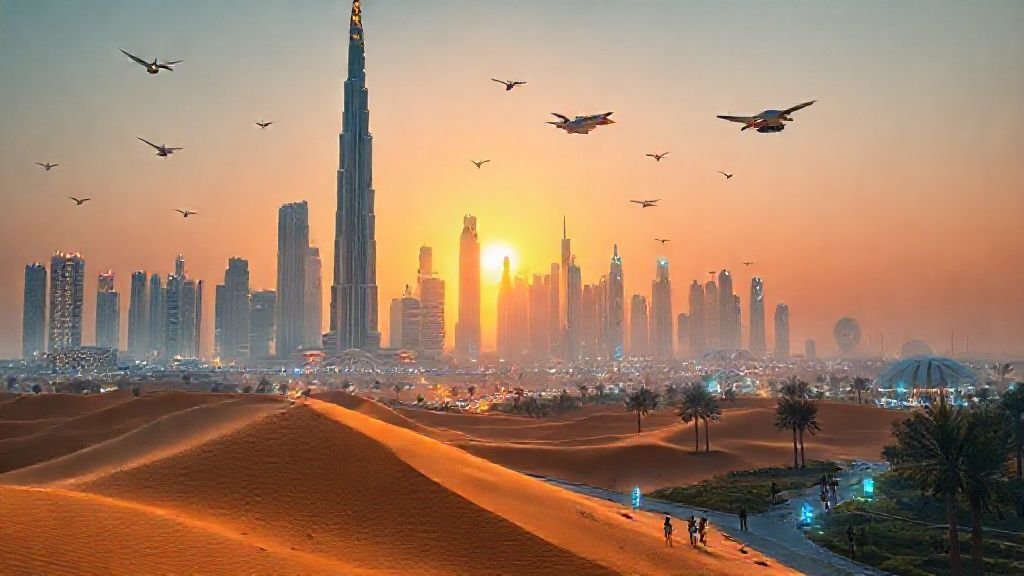
Dubai has always been a city that looks toward the future. From its iconic skyline to its ambitious plans for sustainability, the spirit of innovation is woven into every project. In 2025, the city is stepping into a new era where technology is not just a tool but a living system that powers everyday life, reshaping how residents work, travel, shop and connect.
1. The Birth of a Smart City
When most people think of a smart city, images of connected traffic lights, billboards that update in real time, and drones delivering packages come to mind. Dubai’s journey began with the Smart Dubai programme, which set out to create a city where digital services are delivered more efficiently and transparently. The programme’s core goals were:
- Digital identity for citizens and residents.
- Integrated data platform for city services.
- Smart infrastructure that adapts to real‑time needs.
- Encouragement of start‑ups and tech investment.
These pillars laid the groundwork for a city that can react to the needs of its people instantly, making daily life smoother and more rewarding. This foundation also helped launch a wave of projects that pushed Dubai ahead of the global curve.
2. Artificial Intelligence Takes the Driver’s Seat
Artificial Intelligence (AI) has become the engine behind many of Dubai’s newest achievements. From predictive policing that helps keep streets safe to AI‑powered logistics that reduce delivery times, the technology is changing every sector.
Transportation and Mobility
The Dubai Metro’s robots now run maintenance checks without human intervention. Autonomous buses navigate the sidewalks, delivering passengers between business districts with minimal delays.
Healthcare Revolution
AI algorithms predict potential health risks based on lifestyle and genetic data, allowing doctors to intervene early. Virtual consultations powered by AI chatbots provide instant medical advice, freeing up specialists for complex cases.
Public Safety and Law Enforcement
Machine‑learning models detect unusual crowd movements and highlight potential security threats before they grow. Law‑enforcement drones patrol the city, ensuring that emergency response is swift and efficient.
By embedding AI into everyday services, Dubai turns its metropolis into a responsive organism that learns and grows with its people.
3. Blockchain: The Invisible Ledger of Modern Life
While blockchain has made headlines in finance, its real power lies in its transparency and security. Dubai has leveraged the technology to create tamper‑proof systems across government, healthcare, and logistics.
One notable example is the Digital Health Pass—an immutable record that tracks vaccination, medical history, and health alerts. Similarly, property transactions are recorded on a blockchain, cutting down paperwork and fraud while speeding up closing times.
These applications not only add value for the government but also provide a sense of trust for residents and investors alike.
4. The Architecture of Tomorrow: Smart Skyscrapers and Infrastructure
Dubai’s skyline is home to more than just office space; it is a living laboratory for sustainable design. Buildings now incorporate:
- Energy Harvesting Windows: Transparent solar panels that provide electricity to the building’s systems.
- Responsive Facades: Skin that adjusts to sunlight and temperature, keeping interiors comfortable while lowering energy usage.
- Water Recycling Systems: On‑site purification that reduces municipal water demand.
These features not only reduce carbon footprints but also lower operational costs, making high‑rise living accessible to a wider audience.
5. Technology Hubs and the Start‑up Ecosystem
The city’s growth is driven partly by its vibrant ecosystem for technology start‑ups. Numerous incubators provide mentorship, financing, and access to venture capital. Key areas of focus include:
- FinTech solutions simplifying banking for the cloud‑native generation.
- EdTech platforms that bring personalized learning to anyone on the move.
- HealthTech that integrates wearable data with AI diagnostics.
- Supply chain technology creating end‑to‑end traceability.
Dubai’s open data initiatives give start‑ups a wealth of information—making it easier to test and scale products that fit the local market and can also export worldwide.
6. The Human Touch: Building Tech Culture
Innovation is only as good as the people behind it. Dubai invests heavily in human capital: from schools teaching coding from kindergarten to higher‑education programmes that put AI and blockchain at the forefront.
Workshops lead residents to create their own mini‑projects, giving them a sense of ownership over the urban digital narrative. These efforts foster a public appetite for technology, ensuring that the next wave of ideas will come from diverse voices.
7. Looking Ahead: What Lies Beyond 2025?
The ambition never stops. While 2025 has delivered massive strides, the sights are now set on a more interconnected yet sustainable system.
- Zero‑carbon buildings enabled by nanomaterials.
- Hyper‑fast transport links into the desert, turning islands into bustling hubs.
- Advanced AI that helps residents live healthier lifestyles by predicting needs.
- Fully autonomous commercial districts where order and efficiency thrive.
These future projects are based on data collected in real time, meaning the city can adapt quickly to changing aspirations.
Dubai’s transformation demonstrates how creating a digital ecosystem, backed by supportive policy, can accelerate progress for all residents and set a global example for future city planning.
Want to read more about how Dubai is turning skyscrapers into AI hubs? Explore our story on skyscraper AI transformation.
Curious how the city’s smart system uses AI and blockchain to improve everyday life? Dive into the pulse of Dubai’s tech evolution.
Still wondering how visionary dreams turned into a reality of smart cities and AI? Discover the journey of Dubai’s tech pulse.


Looking for a GCS Crypto Currency Licence and Registration in Dubai?

Best Crypto currency license Services in Dubai

Dubai 2025: The Tech Revolution Unveiled – From Smart Cities to AI‑Driven Innovation

Top 10 Highest-Paying Jobs in Dubai for 2024-25

How Much Does It Cost to Open a Company in Dubai in 2024?

Top 10 Business Opportunities in Dubai for 2024-2025
-

 Business2 years ago
Top 10 Highest-Paying Jobs in Dubai for 2024-25
-
Business2 years ago
How Much Does It Cost to Open a Company in Dubai in 2024?
-
Business2 years ago
Top 10 Business Opportunities in Dubai for 2024-2025
-
Business2 years ago
Best upcoming exhibitions and trade shows in Dubai, 2024
-
Blog2 years ago
Places to Visit in Ras Al Khaimah
-
Sports2 years ago
Top 5 Upcoming International Sporting Events in Dubai (2024-2025)
-
Latest7 months ago
Dubai Golden Visa 2025: Everything You Need to Know About Eligibility, Benefits and Application Process
-
Business2 years ago
Top 5 Networking Events for Businesses in Dubai in 2024