Blog
Dubai 2025: The Technology Pulse You Can’t Miss


- /home/u134898463/domains/explore-dubai.com/public_html/wp-content/plugins/mvp-social-buttons/mvp-social-buttons.php on line 27
https://explore-dubai.com/wp-content/uploads/2025/11/a-hyperrealistic-vibrant-panoramic-view-of-dubais-skyline-at-dusk-featuring-the-burj-khalifa-and-1000x576.jpg&description=Dubai 2025: The Technology Pulse You Can’t Miss', 'pinterestShare', 'width=750,height=350'); return false;" title="Pin This Post">
- Share
- Tweet /home/u134898463/domains/explore-dubai.com/public_html/wp-content/plugins/mvp-social-buttons/mvp-social-buttons.php on line 72
https://explore-dubai.com/wp-content/uploads/2025/11/a-hyperrealistic-vibrant-panoramic-view-of-dubais-skyline-at-dusk-featuring-the-burj-khalifa-and-1000x576.jpg&description=Dubai 2025: The Technology Pulse You Can’t Miss', 'pinterestShare', 'width=750,height=350'); return false;" title="Pin This Post">
Dubai has long been a city that looks outward – turning future‑dreams into vertical skyscrapers, smart roads, and an ecosystem that welcomes tech innovation like a child welcomes sweets. By 2025, that percolating mix of visionary thinking and rapid execution has turned the city into a living laboratory of emerging technologies. This post will walk you through the most exciting facets of Dubai’s tech renaissance, the practical layers you can touch, and why you should keep your eyes on this market.
Smart City Foundations: The Grid That Powers It All
When you think of a smart city, most behaviours come to mind first: smart lighting, connected traffic, data‑driven parking. Dubai’s baseline is a cutting‑edge digital infrastructure that underpins every other innovation. The city has a micro‑architect framework of sensors, edge devices, and secure cloud platforms that packet‑capture traffic patterns, monitor air quality and even predict power demands.
- Network Mesh: A city‑wide fiber network that outpaces the speed of light, with redundant links to keep the data flowing reliably, even in the worst storm.
- Data Lakes: Centralized data storage that aggregates information from utilities, transport hubs, emergency services, and tourist hotspots.
- Open‑API Gateway: A portal where developers and businesses can subscribe to weather feeds, traffic flows or energy metrics with a few lines of code.
Thanks to this foundation, local businesses – from ride‑hailing startups to 3D‑printing service centers – can bootstrap a data pipeline in weeks instead of months. If you’re curious about how Dubai’s “smart foundation” fuels everyday life, check out the Smart City to Real‑Time Innovation article for a behind‑the‑scenes look.
Artificial Intelligence: From Administration to Lifestyle
Artificial Intelligence (AI) is no longer a buzzword; it’s a lifeline for operational efficiency. Dubai’s labor‑intensive sectors like banking, supply chain, and tourism are leveraging AI to cut operational costs and speed up decision cycles.
- Chatbots on the Internet of Everything: People can book flights, request maintenance or order a quarterly garment set without talking to a human. Natural‑language systems receive the request, process the natural command and respond in under a second.
- Predictive Maintenance: AI monitors public transit vehicles, flagging early wear signs to prevent breakdowns. The result is a 30% reduction in downtime for the city’s buses.
- Smart Vending: Automated kiosks use image recognition to inventory and dispense. Machines that look for low stock automatically reorder, ensuring you never run out of your favorite LAMBO sweet.
To dive deeper into how AI is shaping services and driving productivity, read the blog that gives an overview of AI’s impact on society. Although it covers the entire city through a broad lens, it is specifically tailored for those who want to know how AI’s trends play in the local context.
Blockchain: Building Trust in a Digital Ecosystem
Dubai was an early adopter of blockchain technology, launching a sovereign digital token that sits at the heart of regulatory, finance and property transactions. The smart‑contract framework reduces paperwork, eliminates fraud risk, and speeds up closing timelines for both real‑estate deals and government permits.
A recent pilot program uses blockchain to verify electric‑vehicle charging stations, ensuring that fuel‑from-unknown-sources is recorded accurately in a decentralized ledger. The result is a transparency layer so that consumers can verify the entire journey of their battery.
Blockchain’s application spans many domains – from education diplomas on a tamper‑proof ledger to insurance claims. The official launch of Dubai’s Triple‑Layered Tech Revolution provides contextual examples of how the technology serves a growing network of industries in residency services, transport and even cultural heritage preservation.
Internet‑of‑Things (IoT): Weaving Data Into Daily Life
IoT goes beyond sensors – it’s about smart experiences. In 2025, every object in a Dubai home or office is connected: refrigerators that track expiration dates, lighting that adjusts automatically to activity, smart gates that open for personnel with a biometric scan.
From logistics, IoT platforms use RFID tags and edge computing to bring real‑time visibility across the supply chain. For city planners, data from fleet vehicles helps craft the next wave of green public transport.
Explore the real‑world applications in the article Tech Landscape that Shapes Tomorrow. It gives a practical lens into how government, manufacturers and consumers collaborate in a connected ecosystem.
5G Rollout: The Backbone for Autonomous Systems
Dubai’s rollout of 5G radio infrastructure is not a mere expansion; it’s a strategic shift that supports autonomous vehicles (AVs), tele‑medicine, and high‑definition live VR experiences. 5G’s ultra‑low latency gives autonomous taxis a reliable link with traffic lights and ride‑sharing hubs, enabling real‑time map updates and passenger safety checks.
Hospital corners will be touched by 5G‑friendly monitoring systems, allowing doctors to observe vital signs in a remote control centre. This is the basis for the kind of digital health services Dubai is positioning as a global leader.
Education & Innovation Hubs: From Curricula to Challenges
Dubai’s Institute for Artificial Intelligence and the Dubai Future Foundation are turning education into a launchpad for experimentation. Schools now embed data‑science modules into the first‑grade curriculum, while startup incubators host an annual challenge where participants develop AI‑driven solutions for air‑quality monitoring in real‑time.
- Hackathons: Each year, over 1,000 developers test algorithms that could reduce traffic congestion by 20%.
- Curriculum Upgrades: Vocational schools “module” driver‑assist kits to streamline equations of motion used in school projects.
- Public‑Private Partnerships: Collaboration between schools and tele‑medicine platforms, creating a blended learning environment.
These programs are often highlighted in the blog Guide to Dubai’s Tech Revolution. It offers practical case studies and success stories from students and founders, bridging the gap between theory and market.
FinTech: Digital Banking and Cryptocurrencies
Dubai’s FinTech ecosystem offers instant micro‑loans, real‑time foreign‑exchange conversions, and blockchain‑backed liquidity pooling. Banks are shipping digital wallets that allow for quick transfers between currencies, supportive of the city’s status as a global trade hub.
FinTech firms also provide SaaS platforms for small businesses to calculate tax obligations instantly. Smart contracts play a secondary role to track market exposure and reduce risk.
Case Study: Smart Lending in the Palladium District
In the Palladium business district, a set of fintech platforms integrate with city dashboards to monitor building occupancy. Banks use that data to calculate risk and offer instant credit lines that evolve with the landlord’s breathing pattern. The credit limit can steeply rise or drop based on real‑time occupancy and projected trends, preventing liquidity crunches for entrepreneurs.
Entrepreneurial Landscape: Startups and Incubators
Dubai’s nature of “a city that never sleeps” attracts highly skilled talent. Venture capital reaches beyond tech; products ranging from AI‑driven e‑learning to drone‑based delivery are all getting funded. 3,000 new startups emerged in 2024, not all tech‑centric: a chunk focused on renewable-energy hardware, a white‑glove delivery service and a community‑based AI chat service for immigrant workers.
Large projects like the smart‑energy arena require planning, execution, security architecture, and cost optimization. However, many startups rely on “open‑source” modules to run lean, especially when spreading knowledge across Kaggle with open‑source edges.
Regulations and Public Policy: Setting Boundaries
Dubai has updated its legal framework to streamline data‑sharing with businesses, encourage AI deployments, and keep civil rights safe. Policy updates focus on two pillars: data sovereignty and safe experimentation. The city’s regulatory sandbox allows for short‑term compliance tests for emerging applications, and the sandbox’s “no‑pain” approach attracts a wide range of players.
Public education on data ethics, powered by gov‑aided collaborations, ensures citizens feel comfortable with new tech. The policy framework supports a two‑stage techno‑economic plan: align data architecture with citizen privacy expectancy and create incentives for social impact projects.
Tourism Tech: Rethinking the Guest Experience
Dubai’s tourism is already service‑oriented, but tech adds personal flair: AI concierge triple‑linked with regional booking systems, robotic shops providing 360° experiences for guests, and even blockchain‑certified heritage tokens sold to digital omens. 5G allows high‑definition holographic tours across the city, giving you a chance to experience the Burj Khalifa’s pinnacle before physically arriving.
For a deeper look at how tourism is integrating with digital form, head over to Triple‑Layered Tech Revolution for a breakdown of the experience stack.
Challenges and Future Outlook
While progress is undeniable, challenges remain, mainly around privacy enforcement, equitable tech access, and ensuring local talent remains adaptable. Cloud‑based edtech platforms show promise, dropping the knowledge gap but requiring consistent broadband coverage.
Dubai’s roadmap for 2026–2030 invests in building a fabric of knowledge-sharing communities, cross‑boundary research partnerships, and open‑source citizen labs. The resulting ecosystem is expected to become a globally recognized engine for digital transformation and a model for emerging cities.
Link to More Insightful Reads
- Tech Landscape that Shapes Tomorrow
- Triple‑Layered Tech Revolution
- Smart City to Real‑Time Innovation
Dubai’s technology pulse is both a story and a promise: it’s a living chronicle of ambition and achievement. If you want to ride the wave of digital transformation at a global scale, Dubai 2025 offers a roadmap and a launchpad that won’t disappoint.
Looking for a GCS Crypto Currency Licence and Registration in Dubai?
Welcome to our guide on Crypto currency license in Dubai. At GCS, we specialize in providing top-quality Crypto currency license services to meet your needs.
Why Choose Our Crypto currency license Services?
Our team of experienced professionals understands the importance of quality Crypto currency license in Dubai. We pride ourselves on delivering exceptional results and customer satisfaction.
Our Approach to Crypto currency license
We take a comprehensive approach to Crypto currency license, ensuring that every aspect of our service meets the highest standards. Our process includes:
- Thorough consultation to understand your specific needs
- Customized solutions tailored to your situation
- Ongoing support throughout the process
- Transparent communication at every step
Important Resources
For more information about Crypto currency license, check out these valuable resources:
- Crypto Currency Licence in Dubai
- Dubai Crypto Currency Licence
- Crypto Currency Registration in Dubai
- Dubai Crypto Currency Registration
- GCS Crypto Currency Licence in Dubai
Get Started Today
Ready to experience the difference our Crypto currency license services can make? Contact GCS today to schedule your consultation. Our team is standing by to answer your questions and help you get started on the path to success.
Don’t wait – reach out to us today and discover why so many people in Dubai trust GCS for their Crypto currency license needs.
Best Crypto currency license Services in Dubai
Welcome to our guide on Crypto currency license in Dubai. At GCS, we specialize in providing top-quality Crypto currency license services to meet your needs.
Why Choose Our Crypto currency license Services?
Our team of experienced professionals understands the importance of quality Crypto currency license in Dubai. We pride ourselves on delivering exceptional results and customer satisfaction.
Our Approach to Crypto currency license
We take a comprehensive approach to Crypto currency license, ensuring that every aspect of our service meets the highest standards. Our process includes:
- Thorough consultation to understand your specific needs
- Customized solutions tailored to your situation
- Ongoing support throughout the process
- Transparent communication at every step
Important Resources
For more information about Crypto currency license, check out these valuable resources:
- Crypto Currency Licence in Dubai
- Dubai Crypto Currency Licence
- Crypto Currency Registration in Dubai
- Dubai Crypto Currency Registration
- GCS Crypto Currency Licence in Dubai
Get Started Today
Ready to experience the difference our Crypto currency license services can make? Contact GCS today to schedule your consultation. Our team is standing by to answer your questions and help you get started on the path to success.
Don’t wait – reach out to us today and discover why so many people in Dubai trust GCS for their Crypto currency license needs.
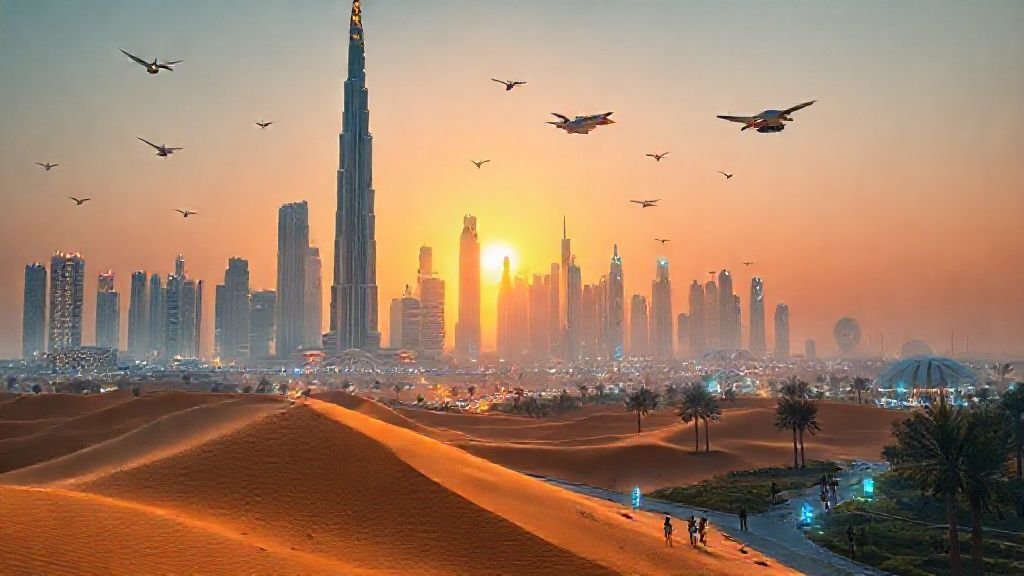
Dubai has always been a city that looks toward the future. From its iconic skyline to its ambitious plans for sustainability, the spirit of innovation is woven into every project. In 2025, the city is stepping into a new era where technology is not just a tool but a living system that powers everyday life, reshaping how residents work, travel, shop and connect.
1. The Birth of a Smart City
When most people think of a smart city, images of connected traffic lights, billboards that update in real time, and drones delivering packages come to mind. Dubai’s journey began with the Smart Dubai programme, which set out to create a city where digital services are delivered more efficiently and transparently. The programme’s core goals were:
- Digital identity for citizens and residents.
- Integrated data platform for city services.
- Smart infrastructure that adapts to real‑time needs.
- Encouragement of start‑ups and tech investment.
These pillars laid the groundwork for a city that can react to the needs of its people instantly, making daily life smoother and more rewarding. This foundation also helped launch a wave of projects that pushed Dubai ahead of the global curve.
2. Artificial Intelligence Takes the Driver’s Seat
Artificial Intelligence (AI) has become the engine behind many of Dubai’s newest achievements. From predictive policing that helps keep streets safe to AI‑powered logistics that reduce delivery times, the technology is changing every sector.
Transportation and Mobility
The Dubai Metro’s robots now run maintenance checks without human intervention. Autonomous buses navigate the sidewalks, delivering passengers between business districts with minimal delays.
Healthcare Revolution
AI algorithms predict potential health risks based on lifestyle and genetic data, allowing doctors to intervene early. Virtual consultations powered by AI chatbots provide instant medical advice, freeing up specialists for complex cases.
Public Safety and Law Enforcement
Machine‑learning models detect unusual crowd movements and highlight potential security threats before they grow. Law‑enforcement drones patrol the city, ensuring that emergency response is swift and efficient.
By embedding AI into everyday services, Dubai turns its metropolis into a responsive organism that learns and grows with its people.
3. Blockchain: The Invisible Ledger of Modern Life
While blockchain has made headlines in finance, its real power lies in its transparency and security. Dubai has leveraged the technology to create tamper‑proof systems across government, healthcare, and logistics.
One notable example is the Digital Health Pass—an immutable record that tracks vaccination, medical history, and health alerts. Similarly, property transactions are recorded on a blockchain, cutting down paperwork and fraud while speeding up closing times.
These applications not only add value for the government but also provide a sense of trust for residents and investors alike.
4. The Architecture of Tomorrow: Smart Skyscrapers and Infrastructure
Dubai’s skyline is home to more than just office space; it is a living laboratory for sustainable design. Buildings now incorporate:
- Energy Harvesting Windows: Transparent solar panels that provide electricity to the building’s systems.
- Responsive Facades: Skin that adjusts to sunlight and temperature, keeping interiors comfortable while lowering energy usage.
- Water Recycling Systems: On‑site purification that reduces municipal water demand.
These features not only reduce carbon footprints but also lower operational costs, making high‑rise living accessible to a wider audience.
5. Technology Hubs and the Start‑up Ecosystem
The city’s growth is driven partly by its vibrant ecosystem for technology start‑ups. Numerous incubators provide mentorship, financing, and access to venture capital. Key areas of focus include:
- FinTech solutions simplifying banking for the cloud‑native generation.
- EdTech platforms that bring personalized learning to anyone on the move.
- HealthTech that integrates wearable data with AI diagnostics.
- Supply chain technology creating end‑to‑end traceability.
Dubai’s open data initiatives give start‑ups a wealth of information—making it easier to test and scale products that fit the local market and can also export worldwide.
6. The Human Touch: Building Tech Culture
Innovation is only as good as the people behind it. Dubai invests heavily in human capital: from schools teaching coding from kindergarten to higher‑education programmes that put AI and blockchain at the forefront.
Workshops lead residents to create their own mini‑projects, giving them a sense of ownership over the urban digital narrative. These efforts foster a public appetite for technology, ensuring that the next wave of ideas will come from diverse voices.
7. Looking Ahead: What Lies Beyond 2025?
The ambition never stops. While 2025 has delivered massive strides, the sights are now set on a more interconnected yet sustainable system.
- Zero‑carbon buildings enabled by nanomaterials.
- Hyper‑fast transport links into the desert, turning islands into bustling hubs.
- Advanced AI that helps residents live healthier lifestyles by predicting needs.
- Fully autonomous commercial districts where order and efficiency thrive.
These future projects are based on data collected in real time, meaning the city can adapt quickly to changing aspirations.
Dubai’s transformation demonstrates how creating a digital ecosystem, backed by supportive policy, can accelerate progress for all residents and set a global example for future city planning.
Want to read more about how Dubai is turning skyscrapers into AI hubs? Explore our story on skyscraper AI transformation.
Curious how the city’s smart system uses AI and blockchain to improve everyday life? Dive into the pulse of Dubai’s tech evolution.
Still wondering how visionary dreams turned into a reality of smart cities and AI? Discover the journey of Dubai’s tech pulse.


Looking for a GCS Crypto Currency Licence and Registration in Dubai?

Best Crypto currency license Services in Dubai

Dubai 2025: The Tech Revolution Unveiled – From Smart Cities to AI‑Driven Innovation

Top 10 Highest-Paying Jobs in Dubai for 2024-25

How Much Does It Cost to Open a Company in Dubai in 2024?

Top 10 Business Opportunities in Dubai for 2024-2025
-

 Business2 years ago
Top 10 Highest-Paying Jobs in Dubai for 2024-25
-
Business2 years ago
How Much Does It Cost to Open a Company in Dubai in 2024?
-
Business2 years ago
Top 10 Business Opportunities in Dubai for 2024-2025
-
Business2 years ago
Best upcoming exhibitions and trade shows in Dubai, 2024
-
Blog2 years ago
Places to Visit in Ras Al Khaimah
-
Sports2 years ago
Top 5 Upcoming International Sporting Events in Dubai (2024-2025)
-
Latest7 months ago
Dubai Golden Visa 2025: Everything You Need to Know About Eligibility, Benefits and Application Process
-
Business2 years ago
Top 5 Networking Events for Businesses in Dubai in 2024