Blog
Dubai 2025: The Triple‑Layered Tech Revolution—Smart Cities, AI, and Blockchain Unpacked

- /home/u134898463/domains/explore-dubai.com/public_html/wp-content/plugins/mvp-social-buttons/mvp-social-buttons.php on line 27
https://explore-dubai.com/wp-content/uploads/2025/11/a-hyperrealistic-panoramic-scene-of-dubais-skyline-at-dawn-with-the-burj-khalifa-dubai-marina-to-1000x576.jpg&description=Dubai 2025: The Triple‑Layered Tech Revolution—Smart Cities, AI, and Blockchain Unpacked', 'pinterestShare', 'width=750,height=350'); return false;" title="Pin This Post">
- Share
- Tweet /home/u134898463/domains/explore-dubai.com/public_html/wp-content/plugins/mvp-social-buttons/mvp-social-buttons.php on line 72
https://explore-dubai.com/wp-content/uploads/2025/11/a-hyperrealistic-panoramic-scene-of-dubais-skyline-at-dawn-with-the-burj-khalifa-dubai-marina-to-1000x576.jpg&description=Dubai 2025: The Triple‑Layered Tech Revolution—Smart Cities, AI, and Blockchain Unpacked', 'pinterestShare', 'width=750,height=350'); return false;" title="Pin This Post">
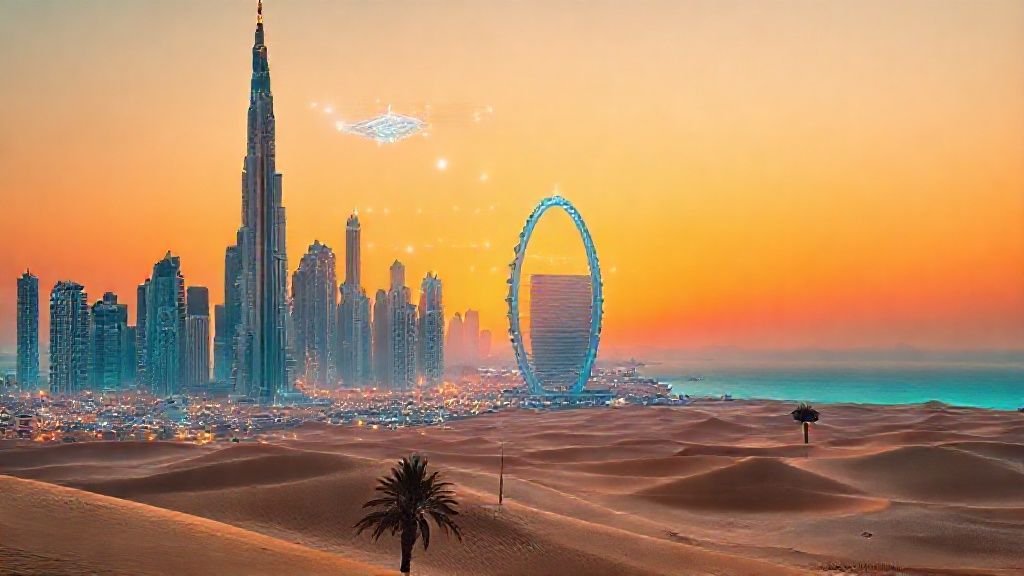
Dubai has always been a city of symbols – towering skyline, luxurious resorts, and a fascination for the future. In the last few years, that fascination has turned into a concrete plan, with three intertwined layers of technology shaping everything from daily commutes to the way the government delivers services. This post looks at how smart city infrastructure, advanced artificial intelligence, and blockchain are coming together to paint a picture of life in Dubai in 2025, and what that means for residents, visitors, and businesses.
The Vision Behind Dubai’s Tech Pulse
The city’s 2025 Vision focuses on four pillars: sustainability, resilience, connected living, and future resilience. Each piece of technology is not an end in itself, but a tool to strengthen those pillars. Experts from government agencies, leading tech firms and local universities are collaborating, turning concepts into tangible platforms. For instance, a real‑time traffic monitoring network that uses sensors and predictive models helps reduce congestion, while a digital health ecosystem allows citizens to access health records instantly through a secured app.
Layer 1: Smart Cities – How Everyday Life is Being Reimagined
Imagine stepping out into a city where lighting, water usage, waste, and transport are all networked. Dubai’s smart city initiative has taken large strides: city‑wide sensors feed data to a central command centre, which then adjusts street lighting based on foot traffic or weather changes. Waste bins now signal when they need to be emptied, preventing overflow in busy districts. For travelers, signage switches to your language or dialect as you walk past, eliminating navigation frictions. A recent “Smart Mobility Hub” near the international airport uses real‑time data to suggest the fastest route to your pick‑up point, reducing airport‑to‑city transfer time by nearly 15 %. These changes create a city experience that feels intuitively predictive, turning potential frustration into ease.
What’s On the Corner?
- A smart parking system that provides real‑time space availability, even reserving a spot a half‑hour ahead via the city app.
- Public Wi‑Fi towers that optimize bandwidth during major events, ensuring streaming continues uninterrupted.
- Energy‑saving plans that shut down non‑essential lights during low‑demand periods, cutting municipal electricity costs by over 20 %.
With each hidden layer of sensors and software, residents benefit from smoother traffic flows, fewer waste problems, and a more responsive public service infrastructure.
Layer 2: Artificial Intelligence – From Data to Decision‑Making
Dubai’s AI strategy involves building algorithms that interpret massive streams of data produced by the smart city network. Machine learning models predict traffic jams before they happen, suggest optimal routes, and can even anticipate when a street shoulder might need maintenance. In healthcare, AI triage tools analyze patient symptoms via chat bots before patients visit a clinic, reducing waiting times and easing clinic loads. In education, AI tutors adapt lessons for students based on progress metrics, ensuring each learner receives a customized pace.
One of the most engaging AI projects is the city’s “Civic Feedback Bot.” Residents report issues through a simple chat interface. The bot categorizes the request using natural language processing and forwards it to the correct municipal department. Because it learns from each interaction, the bot’s speed and accuracy improve over time, eliminating paperwork and long queues at service centres.
Layer 3: Blockchain – Trust, Transparency, and New Economies
Blockchain technology offers a secure ledger that records transactions in a tamper‑proof way. Dubai has deployed blockchain in several key areas: land registration, supply‑chain traceability for food products, and energy trading between citizens and suppliers. In 2025, a pilot program allowing residents to trade solar power credits on a local blockchain platform exemplifies how local energy grids can become more efficient and community‑driven.
Another illustration is the “Hyperledger‑based Smart Contracts” system that automates rental agreements. Landlords, tenants, and authorities automatically verify compliance, and any breach triggers a pre‑set penalty, cutting vacancy rates and reducing disputes. This transparency builds trust, which is critical for a city that wants to attract international businesses.
What This Means for Travelers and Tech Enthusiasts
As a visitor, imagine discovering that the hotel you stay at streams its heating data to the city grid so that excess heat can be redirected to nearby apartments during cold spells. Or watching a street where autonomous electric buses move calmly, their routes optimized by AI that constantly monitors traffic and passenger demand. This not only eases daily routines but also gives travelers genuine insights into how technology makes day‑to‑day life smoother.
Tech enthusiasts and innovators looking to pitch startups find an ecosystem rich with incubators and a clear regulatory framework that encourages experimentation. The government’s “RegTech Sandbox” allows tests of new blockchain solutions without immediate legal liabilities, while the “Open Data Portal” provides developers with real‑time city data for building handy apps or services.
Exploring Dubai’s Tech Landmarks: A Practical Guide
- Dubai Smart City Headquarters – Located near Downtown, this building showcases integrated power and data solutions. Visitors can book guided tours to see how sensor networks mesh with control centers.
- The AI Innovation Hub – A community space hosting hackathons. Attendees can collaborate on projects ranging from predictive maintenance tools to AI‑based travel assistants.
- Blockchain Convention Center – Hosts seminars that explain real‑world applications from financial services to logistics. Topics include “Building Trust in Decentralized Apps.”
With a city agenda that promotes interactive tours, digital overlays, and AR experiences, cultural institutions feed into the larger narrative about Dubai’s forward‑looking stance.
Joining the Movement—How to Get Involved
For entrepreneurs, case studies such as Dubai as a tech hub outline actionable steps: register your startup in the free zone, apply for a sandbox license, and tap into mentorship programs offered by universities.
Students can participate in city-driven contests targeting sustainable tech: design a new waste‑sorting drone or develop a predictive app for the public transport system. The results of these contests frequently receive funding, allowing the prototype to transition into a commercial product.
There’s also ample opportunity to collaborate on public projects through the AI‑driven community platform. By completing short modules on AI ethics, developers might earn a certification that leads to partnerships with city departments.
Future Outlook: Where the Innovation Roadheads
The roadmap expects a shift from centralized control to distributed systems, increasing resilience. For example, decades‑old city maps are being replaced with real‑time GIS models that integrate AI predictions. Blockchain will scale to include citizen identity frameworks, secured under federal laws but open for developers to create new services.
Another focus is aligning tech with sustainability. Projects like the “Solar‑Powered Smart Loop” aim to convert the city’s idle nighttime traffic into renewable generation, using AI to dynamically adjust charging rates so that the grid remains balanced. By 2028, the expectation is that 70 % of new buildings will already be fully integrated with smart system stacks, enabling predictive maintenance and energy optimization.
Other news features innovation landscape by featuring success stories of local startups that used city data to build products praised by global investors. These narratives can inspire the next generation of tech leaders.
Conclusion: Embracing the Digital Shift
Dubai’s triple‑layered tech revolution is more than just hype; it is a comprehensive, measurable integration of smart city infrastructure, AI, and blockchain that creates a living, breathing city. The changes affect how people drive, shop, see healthcare, and even play. For those who are waiting to see the future, the 2025 roadmap invites access and participation, giving anyone with a vision a chance to shape the next chapter of urban life in Dubai.
Whether you’re a citizen or a tourist, a startup founder or an investor, the city’s evolving ecosystem will hand you tools, data, and community that can unlock innovative solutions across a variety of sectors. To stay ahead, keep an eye on key developments from the smart city sector, deep‑learning models that are reshaping policy, and the blockchain frameworks that could change how we manage resources.
Looking for a GCS Crypto Currency Licence and Registration in Dubai?
Welcome to our guide on Crypto currency license in Dubai. At GCS, we specialize in providing top-quality Crypto currency license services to meet your needs.
Why Choose Our Crypto currency license Services?
Our team of experienced professionals understands the importance of quality Crypto currency license in Dubai. We pride ourselves on delivering exceptional results and customer satisfaction.
Our Approach to Crypto currency license
We take a comprehensive approach to Crypto currency license, ensuring that every aspect of our service meets the highest standards. Our process includes:
- Thorough consultation to understand your specific needs
- Customized solutions tailored to your situation
- Ongoing support throughout the process
- Transparent communication at every step
Important Resources
For more information about Crypto currency license, check out these valuable resources:
- Crypto Currency Licence in Dubai
- Dubai Crypto Currency Licence
- Crypto Currency Registration in Dubai
- Dubai Crypto Currency Registration
- GCS Crypto Currency Licence in Dubai
Get Started Today
Ready to experience the difference our Crypto currency license services can make? Contact GCS today to schedule your consultation. Our team is standing by to answer your questions and help you get started on the path to success.
Don’t wait – reach out to us today and discover why so many people in Dubai trust GCS for their Crypto currency license needs.
Best Crypto currency license Services in Dubai
Welcome to our guide on Crypto currency license in Dubai. At GCS, we specialize in providing top-quality Crypto currency license services to meet your needs.
Why Choose Our Crypto currency license Services?
Our team of experienced professionals understands the importance of quality Crypto currency license in Dubai. We pride ourselves on delivering exceptional results and customer satisfaction.
Our Approach to Crypto currency license
We take a comprehensive approach to Crypto currency license, ensuring that every aspect of our service meets the highest standards. Our process includes:
- Thorough consultation to understand your specific needs
- Customized solutions tailored to your situation
- Ongoing support throughout the process
- Transparent communication at every step
Important Resources
For more information about Crypto currency license, check out these valuable resources:
- Crypto Currency Licence in Dubai
- Dubai Crypto Currency Licence
- Crypto Currency Registration in Dubai
- Dubai Crypto Currency Registration
- GCS Crypto Currency Licence in Dubai
Get Started Today
Ready to experience the difference our Crypto currency license services can make? Contact GCS today to schedule your consultation. Our team is standing by to answer your questions and help you get started on the path to success.
Don’t wait – reach out to us today and discover why so many people in Dubai trust GCS for their Crypto currency license needs.
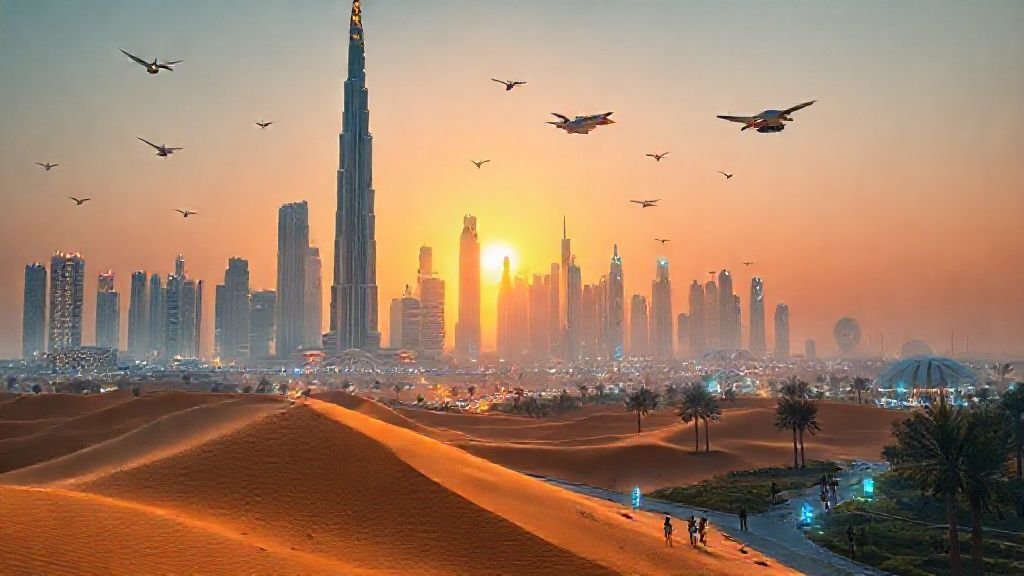
Dubai has always been a city that looks toward the future. From its iconic skyline to its ambitious plans for sustainability, the spirit of innovation is woven into every project. In 2025, the city is stepping into a new era where technology is not just a tool but a living system that powers everyday life, reshaping how residents work, travel, shop and connect.
1. The Birth of a Smart City
When most people think of a smart city, images of connected traffic lights, billboards that update in real time, and drones delivering packages come to mind. Dubai’s journey began with the Smart Dubai programme, which set out to create a city where digital services are delivered more efficiently and transparently. The programme’s core goals were:
- Digital identity for citizens and residents.
- Integrated data platform for city services.
- Smart infrastructure that adapts to real‑time needs.
- Encouragement of start‑ups and tech investment.
These pillars laid the groundwork for a city that can react to the needs of its people instantly, making daily life smoother and more rewarding. This foundation also helped launch a wave of projects that pushed Dubai ahead of the global curve.
2. Artificial Intelligence Takes the Driver’s Seat
Artificial Intelligence (AI) has become the engine behind many of Dubai’s newest achievements. From predictive policing that helps keep streets safe to AI‑powered logistics that reduce delivery times, the technology is changing every sector.
Transportation and Mobility
The Dubai Metro’s robots now run maintenance checks without human intervention. Autonomous buses navigate the sidewalks, delivering passengers between business districts with minimal delays.
Healthcare Revolution
AI algorithms predict potential health risks based on lifestyle and genetic data, allowing doctors to intervene early. Virtual consultations powered by AI chatbots provide instant medical advice, freeing up specialists for complex cases.
Public Safety and Law Enforcement
Machine‑learning models detect unusual crowd movements and highlight potential security threats before they grow. Law‑enforcement drones patrol the city, ensuring that emergency response is swift and efficient.
By embedding AI into everyday services, Dubai turns its metropolis into a responsive organism that learns and grows with its people.
3. Blockchain: The Invisible Ledger of Modern Life
While blockchain has made headlines in finance, its real power lies in its transparency and security. Dubai has leveraged the technology to create tamper‑proof systems across government, healthcare, and logistics.
One notable example is the Digital Health Pass—an immutable record that tracks vaccination, medical history, and health alerts. Similarly, property transactions are recorded on a blockchain, cutting down paperwork and fraud while speeding up closing times.
These applications not only add value for the government but also provide a sense of trust for residents and investors alike.
4. The Architecture of Tomorrow: Smart Skyscrapers and Infrastructure
Dubai’s skyline is home to more than just office space; it is a living laboratory for sustainable design. Buildings now incorporate:
- Energy Harvesting Windows: Transparent solar panels that provide electricity to the building’s systems.
- Responsive Facades: Skin that adjusts to sunlight and temperature, keeping interiors comfortable while lowering energy usage.
- Water Recycling Systems: On‑site purification that reduces municipal water demand.
These features not only reduce carbon footprints but also lower operational costs, making high‑rise living accessible to a wider audience.
5. Technology Hubs and the Start‑up Ecosystem
The city’s growth is driven partly by its vibrant ecosystem for technology start‑ups. Numerous incubators provide mentorship, financing, and access to venture capital. Key areas of focus include:
- FinTech solutions simplifying banking for the cloud‑native generation.
- EdTech platforms that bring personalized learning to anyone on the move.
- HealthTech that integrates wearable data with AI diagnostics.
- Supply chain technology creating end‑to‑end traceability.
Dubai’s open data initiatives give start‑ups a wealth of information—making it easier to test and scale products that fit the local market and can also export worldwide.
6. The Human Touch: Building Tech Culture
Innovation is only as good as the people behind it. Dubai invests heavily in human capital: from schools teaching coding from kindergarten to higher‑education programmes that put AI and blockchain at the forefront.
Workshops lead residents to create their own mini‑projects, giving them a sense of ownership over the urban digital narrative. These efforts foster a public appetite for technology, ensuring that the next wave of ideas will come from diverse voices.
7. Looking Ahead: What Lies Beyond 2025?
The ambition never stops. While 2025 has delivered massive strides, the sights are now set on a more interconnected yet sustainable system.
- Zero‑carbon buildings enabled by nanomaterials.
- Hyper‑fast transport links into the desert, turning islands into bustling hubs.
- Advanced AI that helps residents live healthier lifestyles by predicting needs.
- Fully autonomous commercial districts where order and efficiency thrive.
These future projects are based on data collected in real time, meaning the city can adapt quickly to changing aspirations.
Dubai’s transformation demonstrates how creating a digital ecosystem, backed by supportive policy, can accelerate progress for all residents and set a global example for future city planning.
Want to read more about how Dubai is turning skyscrapers into AI hubs? Explore our story on skyscraper AI transformation.
Curious how the city’s smart system uses AI and blockchain to improve everyday life? Dive into the pulse of Dubai’s tech evolution.
Still wondering how visionary dreams turned into a reality of smart cities and AI? Discover the journey of Dubai’s tech pulse.


Looking for a GCS Crypto Currency Licence and Registration in Dubai?

Best Crypto currency license Services in Dubai

Dubai 2025: The Tech Revolution Unveiled – From Smart Cities to AI‑Driven Innovation

Top 10 Highest-Paying Jobs in Dubai for 2024-25

How Much Does It Cost to Open a Company in Dubai in 2024?

Top 10 Business Opportunities in Dubai for 2024-2025
-

 Business2 years ago
Top 10 Highest-Paying Jobs in Dubai for 2024-25
-
Business2 years ago
How Much Does It Cost to Open a Company in Dubai in 2024?
-
Business2 years ago
Top 10 Business Opportunities in Dubai for 2024-2025
-
Business2 years ago
Best upcoming exhibitions and trade shows in Dubai, 2024
-
Blog2 years ago
Places to Visit in Ras Al Khaimah
-
Sports2 years ago
Top 5 Upcoming International Sporting Events in Dubai (2024-2025)
-
Latest7 months ago
Dubai Golden Visa 2025: Everything You Need to Know About Eligibility, Benefits and Application Process
-
Business2 years ago
Top 5 Networking Events for Businesses in Dubai in 2024