Blog
Dubai 2025: The Triple‑Layered Tech Revolution Turned into Everyday Life


- /home/u134898463/domains/explore-dubai.com/public_html/wp-content/plugins/mvp-social-buttons/mvp-social-buttons.php on line 27
https://explore-dubai.com/wp-content/uploads/2025/11/a-vivid-highresolution-editorial-scene-set-in-dubai-2025-showing-the-triplelayered-tech-revoluti-1000x576.jpg&description=Dubai 2025: The Triple‑Layered Tech Revolution Turned into Everyday Life', 'pinterestShare', 'width=750,height=350'); return false;" title="Pin This Post">
- Share
- Tweet /home/u134898463/domains/explore-dubai.com/public_html/wp-content/plugins/mvp-social-buttons/mvp-social-buttons.php on line 72
https://explore-dubai.com/wp-content/uploads/2025/11/a-vivid-highresolution-editorial-scene-set-in-dubai-2025-showing-the-triplelayered-tech-revoluti-1000x576.jpg&description=Dubai 2025: The Triple‑Layered Tech Revolution Turned into Everyday Life', 'pinterestShare', 'width=750,height=350'); return false;" title="Pin This Post">
Dubai is no longer just a playground of towering skyscrapers and luxury shopping centres. In 2025 it is stepping into a future where technology shapes the daily life of residents and visitors alike. The city’s vision is built on three powerful layers: smart city infrastructure, artificial intelligence (AI) solutions, and blockchain technology. Together these layers make city services faster, cleaner, and more affordable. In this post we will walk through how each layer works, what people already experience today, and why it matters for anyone interested in the world’s most forward‑looking metropolis.
Smart City Infrastructure: The Backbone of Daily Life
Smart city infrastructure is the physical foundation that lets the other layers connect to each other and to people. Think about the roads, traffic lights, bridges, power grids, and water supplies that get updated in real time. Dubai’s government uses a network of sensors and connected devices to gather data about everything from traffic congestion to energy use. This data feeds into city management systems that can adapt traffic lights to reduce jams, adjust street lighting to save power, or shut down a faulty water pipe before a leak spreads.
One popular example is Dubai’s traffic management centre which receives data from thousands of cameras and sensors across the city. When traffic slows on a particular route, the system re‑routes vehicles, informs drivers through in‑app alerts, and even changes the speed limit in that zone. The result is a smoother commute, fewer emissions, and fewer accidents. If you remember the “Purple City” project, it now turns into a live data‑driven experience that shows traffic in real time on a map.
The city’s public transport system also benefits from this connectivity. The Dubai Metro’s driverless trains communicate constantly with central controls. If a train breaks down, the system automatically alerts passengers, re‑routes other trains, and updates the transit app. This keeps commuters in the loop and reduces delays. Buses operate on electric vehicles that are also monitored; when a battery dips below a certain level, the fleet manager arranges charging or replacement automatically.
These smart infrastructure projects show that technology is not a luxury but a necessity for good living in the city. They provide safer roads, cleaner air, and more reliable utilities. When you walk down a street, you notice the streetlights that dim in real time to track the neighbourhood’s lighting needs. The operating cost falls, and residents feel a little bit more secure knowing that the city is looking after them.
Artificial Intelligence: Turning Data into Decisions
AI is the brain behind the city’s data watch. Once the smart sensors gather information, AI algorithms process it to predict, advise, and sometimes make decisions that benefit everyone. From traffic to healthcare to finance, AI is woven into almost every sector. Let’s look at some real examples that people already see in their everyday life.
- Personalised public health alerts: When a disease outbreak is detected, AI models predict hotspots and recommend preventive actions, such as vaccination drives and mask usage. This was first used during the recent pandemic and continues to help the Dubai Health Authority manage resources.
- Dynamic energy pricing: AI forecasts energy demands based on weather, time of day, and historical consumption. Consumers receive real‑time pricing that nudges them to shift energy use to off‑peak times, saving money and reducing strain on the grid.
- Service chatbots: The government website and many private apps use AI chatbots that understand natural language. Whether you want to find the nearest public park or book a doctor’s appointment, the chatbot can guide you with a simple conversation.
AI also supports the city’s creative economy. Smart lighting systems in the city’s art districts rotate patterns based on the time of day; the lighting is controlled by AI that takes audience interaction into account. Artists can design interactive installations that respond to laughter or movement, turning the city into a living canvas.
For tourists, AI improves the travel experience too. The Dubai Guide app uses AI to suggest restaurants, points of interest, and events based on your preferences, watch time, and budget. AI encourages people to explore lesser‑known places, spreading economic benefits beyond the usual tourist spots.
Blockchain: Secure and Transparent Transactions
Blockchain technology is the third layer that adds security and transparency to the city’s digital ecosystem. It is essentially a distributed ledger that records transactions in an immutable way. This makes it popular for a variety of use cases where trust and auditability are essential.
Dubai’s real‑estate market is one of the main sectors that uses blockchain. When you buy or sell property, the entire transaction can be recorded on a blockchain contract. This ensures that the title deed is accurate, the transfer is legally binding, and the process takes less time. Real‑estate agents now provide digital blockchain certificates to show that the property is free of liens or disputes.
Another growing use case is in land registration. The Dubai Land Department has launched an online portal that uses blockchain to store parcel data. Everyone from developers to planners can view the history of a piece of land in seconds, removing the need for manual paperwork.
Blockchain also supports the city’s e‑government initiatives. For example, residents can receive an official digital ID that is protected by blockchain. This ID is verifiable, tamper proof, and helps prevent identity fraud.
- Dubai 2025: The Triple‑Layered Tech Revolution – The Unpacked Vision
- Dubai 2025: The Triple‑Layered Tech Revolution – The Original Guide
- Dubai 2025: The Triple‑Layered Tech Revolution – Revealed
The synergy of smart infrastructure, AI, and blockchain creates a city that is responsive, efficient, and trustworthy. Whenever you step into a metro station, you see the same technology that governments and businesses use across the city. Entrepreneurs can start new ventures by leveraging these layers. Architects can integrate smart sensors into buildings. Educators can teach people how to use digital tools responsibly.
Designing the New Dubai: What Happens Beyond 2025?
Dubai’s tech roadmap does not stop at 2025. The vision is always moving forward. The city plans to deepen its digital footprint in areas like autonomous vehicles, 5G connectivity, and sustainable energy. Station developers plan to build “mesh‑city” networks where every neighbor shares excess solar power with its surroundings. With AI, the city will better predict crop yields for its urban farms, improving food security.
Governments across the world study Dubai’s model. They look at how a city can speed up the rollout of tech solutions instead of letting projects get stuck in bureaucracy. Many welcome the idea of a live public test bed – one where citizens voice concerns immediately and policymakers respond in real time. This mindset lowers the barriers of entry for new ideas and speeds innovation.
During the next decade, the layers of the triple revolution will intertwine even more tightly. Vehicles will communicate with road sensors, city power grids will interact directly with EV charging stations, and AI systems will coordinate all of these with blockchain ensuring transparency. As a result, daily life will become more seamless. Travelers will use a single app to navigate, book, pay, and receive updates on the city’s services.
How Residents Experience the Triple Layer Today
Dubai residents gain the benefits without having to learn complex tech. Most exchanges happen behind the scenes. Yet, people catch signs of the tech layers in their everyday experiences. Consider a typical weekday:
- Morning commute: Traffic sensors detect a bottleneck, traffic lights adjust automatically, and the Dubai Metro alerts passengers about train changes via the Explore Dubai Guide app.
- Workday: AI in the workplace recommends the optimal route for field engineers to reach their next site, saving time.
- Evening: Smart streetlights dim based on foot traffic, improving energy use and security.
The result is a smoother day where technology feels like an invisible helper. No one is looking at code; they just feel that the city is listening and responding.
Tools for Entrepreneurs and Innovators
Startups and tech companies are attracted to Dubai because of its transparent regulatory environment. The government provides “free zones” where enterprises can have 100% ownership and benefit from tax incentives. Many hubs provide access to mentors, co‑working spaces, and data platforms. Entrepreneurs can use open data APIs to build services that improve neighbourhood safety or health monitoring.
Moreover, the blockchain ecosystem has a public ledger that businesses can tap into to set up tokenised assets. This means that real‑estate projects can raise funds from a global investor base via digital tokens, cutting cost and speed compared to traditional financial channels.
It’s safer, faster, and more collaborative, which is why Dubai’s talent pool grows strong every year. Engineers, designers, and students find a platform where their ideas can quickly transform into market solutions.
Challenges and the Road Ahead
No city can grow 100% without facing challenges. For Dubai, the main questions revolve around privacy, equity, and sustainability. As the city gathers more data, protecting personal privacy has become paramount. Authorities are pushing for stringent data‑protection laws that ensure data is used only for its intended purpose.
Equity is also a concern because high tech solutions can inadvertently widen the gap between those who have access to digital tools and those who do not. Dubai is addressing this by investing in community‑based training hubs that teach digital literacy, especially to older generations and low‑income families.
Finally, sustainability remains a driving goal. Even though technology reduces traffic and energy consumption in many ways, the overall footprint of manufacturing smart devices and building next‑generation infrastructure remains an issue. The city’s plan includes circular‑economy principles where devices are designed for repair, refurbishment, and eventual recycling.
Future Vision: A Living, Learning City
Dubai’s story is that of a living, learning city that constantly refines itself. The triple‑layered tech revolution is seen not just as an infrastructure upgrade but as an ongoing learning process. Residents become co‑creators: they provide feedback, vote on public projects, and share data with city systems. This creates a participatory culture where technology and people grow together.
For anyone visiting or staying in Dubai, this revolution is witnessed every minute. From the way the city lights at night to the way a visitor’s phone is automatically updated with a data‑driven tour guide, technology turns every corner into an experience.
Takeaway
By 2025, Dubai has built a lasting framework that integrates smart city infrastructure, AI, and blockchain. This framework has transformed the city into a more efficient, safer, and inclusive place. It serves as a model for urban planners worldwide. For residents, the tech layers feel like a friendly assistant. For businesses, it provides a ready platform to launch new ideas. In short, Dubai is turning technology from a novelty into a daily necessity that benefits everyone.
If you want to learn more about the city’s tech story, check out Dubai 2025: The Technology Pulse You Can’t Miss. For up‑to‑date insights on how the smart city vision is shaping daily life, keep following our blog. The city’s story is just beginning, and the next chapter promises even more incredible transformations.
Looking for a GCS Crypto Currency Licence and Registration in Dubai?
Welcome to our guide on Crypto currency license in Dubai. At GCS, we specialize in providing top-quality Crypto currency license services to meet your needs.
Why Choose Our Crypto currency license Services?
Our team of experienced professionals understands the importance of quality Crypto currency license in Dubai. We pride ourselves on delivering exceptional results and customer satisfaction.
Our Approach to Crypto currency license
We take a comprehensive approach to Crypto currency license, ensuring that every aspect of our service meets the highest standards. Our process includes:
- Thorough consultation to understand your specific needs
- Customized solutions tailored to your situation
- Ongoing support throughout the process
- Transparent communication at every step
Important Resources
For more information about Crypto currency license, check out these valuable resources:
- Crypto Currency Licence in Dubai
- Dubai Crypto Currency Licence
- Crypto Currency Registration in Dubai
- Dubai Crypto Currency Registration
- GCS Crypto Currency Licence in Dubai
Get Started Today
Ready to experience the difference our Crypto currency license services can make? Contact GCS today to schedule your consultation. Our team is standing by to answer your questions and help you get started on the path to success.
Don’t wait – reach out to us today and discover why so many people in Dubai trust GCS for their Crypto currency license needs.
Best Crypto currency license Services in Dubai
Welcome to our guide on Crypto currency license in Dubai. At GCS, we specialize in providing top-quality Crypto currency license services to meet your needs.
Why Choose Our Crypto currency license Services?
Our team of experienced professionals understands the importance of quality Crypto currency license in Dubai. We pride ourselves on delivering exceptional results and customer satisfaction.
Our Approach to Crypto currency license
We take a comprehensive approach to Crypto currency license, ensuring that every aspect of our service meets the highest standards. Our process includes:
- Thorough consultation to understand your specific needs
- Customized solutions tailored to your situation
- Ongoing support throughout the process
- Transparent communication at every step
Important Resources
For more information about Crypto currency license, check out these valuable resources:
- Crypto Currency Licence in Dubai
- Dubai Crypto Currency Licence
- Crypto Currency Registration in Dubai
- Dubai Crypto Currency Registration
- GCS Crypto Currency Licence in Dubai
Get Started Today
Ready to experience the difference our Crypto currency license services can make? Contact GCS today to schedule your consultation. Our team is standing by to answer your questions and help you get started on the path to success.
Don’t wait – reach out to us today and discover why so many people in Dubai trust GCS for their Crypto currency license needs.
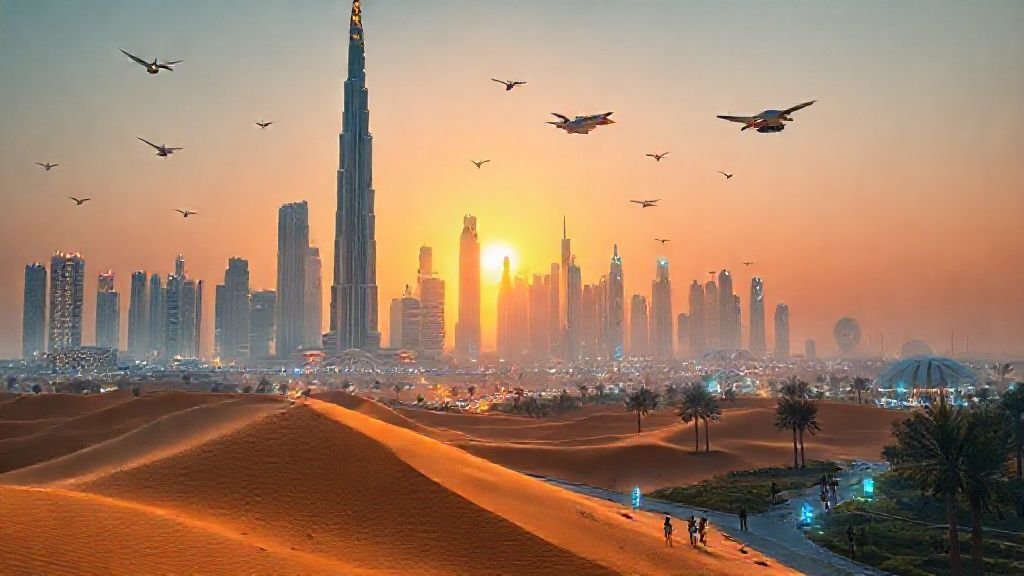
Dubai has always been a city that looks toward the future. From its iconic skyline to its ambitious plans for sustainability, the spirit of innovation is woven into every project. In 2025, the city is stepping into a new era where technology is not just a tool but a living system that powers everyday life, reshaping how residents work, travel, shop and connect.
1. The Birth of a Smart City
When most people think of a smart city, images of connected traffic lights, billboards that update in real time, and drones delivering packages come to mind. Dubai’s journey began with the Smart Dubai programme, which set out to create a city where digital services are delivered more efficiently and transparently. The programme’s core goals were:
- Digital identity for citizens and residents.
- Integrated data platform for city services.
- Smart infrastructure that adapts to real‑time needs.
- Encouragement of start‑ups and tech investment.
These pillars laid the groundwork for a city that can react to the needs of its people instantly, making daily life smoother and more rewarding. This foundation also helped launch a wave of projects that pushed Dubai ahead of the global curve.
2. Artificial Intelligence Takes the Driver’s Seat
Artificial Intelligence (AI) has become the engine behind many of Dubai’s newest achievements. From predictive policing that helps keep streets safe to AI‑powered logistics that reduce delivery times, the technology is changing every sector.
Transportation and Mobility
The Dubai Metro’s robots now run maintenance checks without human intervention. Autonomous buses navigate the sidewalks, delivering passengers between business districts with minimal delays.
Healthcare Revolution
AI algorithms predict potential health risks based on lifestyle and genetic data, allowing doctors to intervene early. Virtual consultations powered by AI chatbots provide instant medical advice, freeing up specialists for complex cases.
Public Safety and Law Enforcement
Machine‑learning models detect unusual crowd movements and highlight potential security threats before they grow. Law‑enforcement drones patrol the city, ensuring that emergency response is swift and efficient.
By embedding AI into everyday services, Dubai turns its metropolis into a responsive organism that learns and grows with its people.
3. Blockchain: The Invisible Ledger of Modern Life
While blockchain has made headlines in finance, its real power lies in its transparency and security. Dubai has leveraged the technology to create tamper‑proof systems across government, healthcare, and logistics.
One notable example is the Digital Health Pass—an immutable record that tracks vaccination, medical history, and health alerts. Similarly, property transactions are recorded on a blockchain, cutting down paperwork and fraud while speeding up closing times.
These applications not only add value for the government but also provide a sense of trust for residents and investors alike.
4. The Architecture of Tomorrow: Smart Skyscrapers and Infrastructure
Dubai’s skyline is home to more than just office space; it is a living laboratory for sustainable design. Buildings now incorporate:
- Energy Harvesting Windows: Transparent solar panels that provide electricity to the building’s systems.
- Responsive Facades: Skin that adjusts to sunlight and temperature, keeping interiors comfortable while lowering energy usage.
- Water Recycling Systems: On‑site purification that reduces municipal water demand.
These features not only reduce carbon footprints but also lower operational costs, making high‑rise living accessible to a wider audience.
5. Technology Hubs and the Start‑up Ecosystem
The city’s growth is driven partly by its vibrant ecosystem for technology start‑ups. Numerous incubators provide mentorship, financing, and access to venture capital. Key areas of focus include:
- FinTech solutions simplifying banking for the cloud‑native generation.
- EdTech platforms that bring personalized learning to anyone on the move.
- HealthTech that integrates wearable data with AI diagnostics.
- Supply chain technology creating end‑to‑end traceability.
Dubai’s open data initiatives give start‑ups a wealth of information—making it easier to test and scale products that fit the local market and can also export worldwide.
6. The Human Touch: Building Tech Culture
Innovation is only as good as the people behind it. Dubai invests heavily in human capital: from schools teaching coding from kindergarten to higher‑education programmes that put AI and blockchain at the forefront.
Workshops lead residents to create their own mini‑projects, giving them a sense of ownership over the urban digital narrative. These efforts foster a public appetite for technology, ensuring that the next wave of ideas will come from diverse voices.
7. Looking Ahead: What Lies Beyond 2025?
The ambition never stops. While 2025 has delivered massive strides, the sights are now set on a more interconnected yet sustainable system.
- Zero‑carbon buildings enabled by nanomaterials.
- Hyper‑fast transport links into the desert, turning islands into bustling hubs.
- Advanced AI that helps residents live healthier lifestyles by predicting needs.
- Fully autonomous commercial districts where order and efficiency thrive.
These future projects are based on data collected in real time, meaning the city can adapt quickly to changing aspirations.
Dubai’s transformation demonstrates how creating a digital ecosystem, backed by supportive policy, can accelerate progress for all residents and set a global example for future city planning.
Want to read more about how Dubai is turning skyscrapers into AI hubs? Explore our story on skyscraper AI transformation.
Curious how the city’s smart system uses AI and blockchain to improve everyday life? Dive into the pulse of Dubai’s tech evolution.
Still wondering how visionary dreams turned into a reality of smart cities and AI? Discover the journey of Dubai’s tech pulse.


Looking for a GCS Crypto Currency Licence and Registration in Dubai?

Best Crypto currency license Services in Dubai

Dubai 2025: The Tech Revolution Unveiled – From Smart Cities to AI‑Driven Innovation

Top 10 Highest-Paying Jobs in Dubai for 2024-25

How Much Does It Cost to Open a Company in Dubai in 2024?

Top 10 Business Opportunities in Dubai for 2024-2025
-

 Business2 years ago
Top 10 Highest-Paying Jobs in Dubai for 2024-25
-
Business2 years ago
How Much Does It Cost to Open a Company in Dubai in 2024?
-
Business2 years ago
Top 10 Business Opportunities in Dubai for 2024-2025
-
Business2 years ago
Best upcoming exhibitions and trade shows in Dubai, 2024
-
Blog2 years ago
Places to Visit in Ras Al Khaimah
-
Sports2 years ago
Top 5 Upcoming International Sporting Events in Dubai (2024-2025)
-
Latest7 months ago
Dubai Golden Visa 2025: Everything You Need to Know About Eligibility, Benefits and Application Process
-
Business2 years ago
Top 5 Networking Events for Businesses in Dubai in 2024