Blog
Dubai’s AI‑Driven Smart Cities: How Blockchain and IoT Are Shaping 2025

- /home/u134898463/domains/explore-dubai.com/public_html/wp-content/plugins/mvp-social-buttons/mvp-social-buttons.php on line 27
Warning: Trying to access array offset on value of type bool in /home/u134898463/domains/explore-dubai.com/public_html/wp-content/plugins/mvp-social-buttons/mvp-social-buttons.php on line 27
&description=Dubai’s AI‑Driven Smart Cities: How Blockchain and IoT Are Shaping 2025', 'pinterestShare', 'width=750,height=350'); return false;" title="Pin This Post">
- Share
- Tweet /home/u134898463/domains/explore-dubai.com/public_html/wp-content/plugins/mvp-social-buttons/mvp-social-buttons.php on line 72
Warning: Trying to access array offset on value of type bool in /home/u134898463/domains/explore-dubai.com/public_html/wp-content/plugins/mvp-social-buttons/mvp-social-buttons.php on line 72
&description=Dubai’s AI‑Driven Smart Cities: How Blockchain and IoT Are Shaping 2025', 'pinterestShare', 'width=750,height=350'); return false;" title="Pin This Post">
Why Technology Matters in Dubai
Dubai is a city that grew out of an idea: turn desert into a hub of modern living. From the towering Burj Khalifa to the bustling trade lanes, the city’s story is about speed and vision. Today, the same vision is powering a new wave of tech: artificial intelligence, blockchain, and the Internet of Things (IoT). These tools are turning everyday life into a seamless, data‑driven experience. In this article we’ll walk through what’s happening, why it matters, and how it will look for residents, businesses, and visitors.
What Is A Smart City?
A smart city is a place where data that comes from sensors, devices, and people is used to make better decisions. In Dubai’s case, the city has already placed thousands of sensors around its streets, buildings, and parks. They collect information about air quality, traffic flow, energy use, and even how many people are watching a particular advertisement. The city’s data hub then crunches that information and shares it with services that help people live, work, and play in a more comfortable way.
Parking, Power, and Public Transport
One of the first and most visible smart city features is the parking system. When you drive to the city’s downtown district you can open an app on your phone and see a map that highlights available parking spots. The system knows which spots are free or occupied by tapping into sensors in the lot. Thanks to this data, you almost never waste time searching for a spot. You can pick the best one, reserve it, and even pay for it all within the app.
Dubai’s electricity grid is running smarter than ever. By using AI to predict peaks in energy usage, the city can adjust supply and demand on the fly. For instance, if a large shopping center is about to host an event, the grid will boost power at that location before the crowds arrive, preventing blackouts or slowdowns.
Public transport has also joined the smart family. The city’s driverless buses use AI to pick the quickest routes and talk to road sensors so they can avoid traffic jammed stretches. Riders can snap a quick photo of the bus plate to get real‑time ETA and next stop information. The addition of autonomous buses means fewer accidents, lower emissions, and a smoother ride for everyone.
Artificial Intelligence in Everyday Life
AI is being rolled out in ways that are simple to use but quite powerful. For example, in government offices a chatbot answers common questions. You can ask which forms you need or how long a permit might take, and within seconds the AI pulls up the correct steps. This means fewer trip‑to‑office visits and faster approval times.
Smart health is another domain where AI shines. Dubai’s hospitals have integrated AI diagnostic assistants that review X‑ray images and flag anything that needs a doctor’s closer look. In cancer treatment, AI models help doctors pick the most effective radiotherapy plan. For patients, that usually means earlier detection and a better outcome.
Education is more personalized too. AI learns how students study and can suggest custom content. If a student finishes reading faster and scores higher on quizzes, the system nudges them through more challenging lessons. This approach is being tested in high schools and is already cutting learning gaps by a measurable margin.
Faces and Security
Dubai’s public security system uses AI for facial recognition. At airports, the system can quickly compare a passenger’s face with a watch list and issue alerts if there’s a match. This process speeds up security checks and reduces the risk of human error. The same AI helps identify suspicious activities across city surveillance cameras, giving police officers real‑time alerts about potential threats.
Blockchain as a Trust Layer
Many people think blockchain is only for cryptocurrency, but its real power lies in building trust. In Dubai, the government is piloting blockchain for land titles. When you buy land, the ownership record moves onto a blockchain that can be checked by anyone for authenticity. This eliminates the chance of fraudulent claims and speeds up the buying process by minutes instead of days.
For supply chains, blockchain ensures each product is traced from its origin to the consumer. For example, if you buy a piece of jewelry, a QR code lets you track the stone’s journey from mine to market. Each step is logged on the blockchain, making it nearly impossible for counterfeits to make it through.
The city also uses blockchain to handle voting for community projects. Instead of handwritten ballots, residents cast votes online with a digital signature that logs onto a blockchain. This guarantees that every vote is counted once and that the final tally cannot be altered.
IoT: The Web of Connected Things
IoT gives everyday objects a voice, turning them into data points. In Dubai’s parks, benches equipped with pressure sensors know how many people sit at a given time. Streetlights adjust brightness based on traffic, reducing energy use by up to 30%. Even the sand on the beach is monitored for erosion, letting authorities ship sand back to the dunes before the hulls of at-risk crabs give up.
For businesses, IoT helps streamline operations. A retail store can keep an eye on stock levels, track how many shoppers pass by each product, and automatically reorder goods when shelves run low. The result is fewer empty files, more options for shoppers, and higher sales for merchants.
Case Study: Smart Dubai Vision 2025
Dubai’s Smart Dubai Vision 2025 is a roadmap that ties technology with public policy. The vision includes
- Full citizen identification with STM (Smart Urban Mobility) app that links biking, driving, and public transit into a single platform.
- Zero‑emission buildings powered by AI‑managed solar panels and battery backups.
- Digital health coves that use AI diagnostics to provide quick medical triage for infections.
- Blockchain for the portal that manages city permits and brings transparency to the bidding process.
Each of these goals is achieved through coordinated data sharing across departments. The Central Data Lab, the city’s brain, pulls sensor information, applies analytics, and shares insights with the Smart Dubai Dashboard. Residents and businesses can see their performance, best practice benchmarks, and upcoming smart city forums.
How You Can Get Involved
Delhi’s residents don’t have to wait for these technologies to be fully rolled out. There are still many ways to engage right now.
Smart City Apps
Download the City Plus app. It shows you the best parking spots in real time, traffic conditions, public transport schedules, and even public Wi‑Fi hotspots. The app will also guide you to the nearest smart waste bin—those bins auto‑detect when they’re full, sending alerts so the city can pick them up more efficiently.
Community Feedback via Digital Platforms
Use the City Voice portal to provide feedback or propose a project. If you see a street corner that needs better lighting, click the “Report Issue” button, attach a photo, and submit. The data will go straight into an AI system that prioritizes resolution based on urgency and pattern recognition.
Smart Home Adoption
Consider installing IoT devices like smart thermostats or energy‑efficient lighting. Those devices not only save you money on your bill but also contribute to the city’s overall energy management. The less energy you use, the less strain on the smart grid, and the more room there is for other residents to enjoy power when needed.
Learn About Blockchain Basics
Want to be part of the future of ownership and transparency? The city offers free workshops on how blockchain can protect your digital identity. These workshops, usually running for a single evening, walk you through how a blockchain works, its benefits, and ways to keep your digital signatures safe.
Look Forward: 2025 Tech Outlook
By the next year, Dubai is expected to host the largest AI conference in the world, drawing leading scientists, entrepreneurs, and government leaders. The event will display demos that use AI to orchestrate live city services—think drones that fill potholes, or robots that clean public parks autonomously.
The city’s partnerships with global tech giants mean that new satellite‑based broadband will become fully operational. It promises internet speeds that are unheard of elsewhere on the globe, a massive leap for remote work and online education.
Since AI and blockchain are continually evolving, we can anticipate smarter city governance: more transparent procurement processes, real‑time policy adjustments, and personalized citizen services that adapt to individual lifestyles.
Potential Challenges and Solutions
With rapid tech deployment come concerns. Data security is a big one. To address this, Dubai is building a multi‑layer encryption framework for all citizen data. The same framework also includes audit trails that allow independent auditors to confirm that no data is being tampered with.
Another challenge is digital inclusion. Not every resident speaks the languages used by smart apps. The city is adding multilingual support, live translation, and user training in local dialects to ensure everyone can benefit.
Finally, sustainability. As more devices get connected, energy consumption could rise. The solution is AI‑driven energy management that monitors real‑time power usage across the city, shuts down idle devices, and prioritises renewable sources.
Summing It Up
Dubai has always been about bold vision and swift action. Today, AI, blockchain, and IoT are aligning to push the city into a new era. From parking to public health, from land titles to public transport, these technologies turn data into service. For residents, that means more convenience, fewer hassles, and a cleaner city. For businesses, it means smoother operations and a thriving market. And for visitors, an immersive, future‑ready experience.
We live in a time where a city’s future hinges on the choices we make today. In Dubai, the path is clearly illuminated by technology. By embracing and contributing to these innovations, we can all help shape a smarter, safer, and more inclusive city.
Dive deeper into Smart Cities, AI and Blockchain
Looking for a GCS Crypto Currency Licence and Registration in Dubai?
Welcome to our guide on Crypto currency license in Dubai. At GCS, we specialize in providing top-quality Crypto currency license services to meet your needs.
Why Choose Our Crypto currency license Services?
Our team of experienced professionals understands the importance of quality Crypto currency license in Dubai. We pride ourselves on delivering exceptional results and customer satisfaction.
Our Approach to Crypto currency license
We take a comprehensive approach to Crypto currency license, ensuring that every aspect of our service meets the highest standards. Our process includes:
- Thorough consultation to understand your specific needs
- Customized solutions tailored to your situation
- Ongoing support throughout the process
- Transparent communication at every step
Important Resources
For more information about Crypto currency license, check out these valuable resources:
- Crypto Currency Licence in Dubai
- Dubai Crypto Currency Licence
- Crypto Currency Registration in Dubai
- Dubai Crypto Currency Registration
- GCS Crypto Currency Licence in Dubai
Get Started Today
Ready to experience the difference our Crypto currency license services can make? Contact GCS today to schedule your consultation. Our team is standing by to answer your questions and help you get started on the path to success.
Don’t wait – reach out to us today and discover why so many people in Dubai trust GCS for their Crypto currency license needs.
Best Crypto currency license Services in Dubai
Welcome to our guide on Crypto currency license in Dubai. At GCS, we specialize in providing top-quality Crypto currency license services to meet your needs.
Why Choose Our Crypto currency license Services?
Our team of experienced professionals understands the importance of quality Crypto currency license in Dubai. We pride ourselves on delivering exceptional results and customer satisfaction.
Our Approach to Crypto currency license
We take a comprehensive approach to Crypto currency license, ensuring that every aspect of our service meets the highest standards. Our process includes:
- Thorough consultation to understand your specific needs
- Customized solutions tailored to your situation
- Ongoing support throughout the process
- Transparent communication at every step
Important Resources
For more information about Crypto currency license, check out these valuable resources:
- Crypto Currency Licence in Dubai
- Dubai Crypto Currency Licence
- Crypto Currency Registration in Dubai
- Dubai Crypto Currency Registration
- GCS Crypto Currency Licence in Dubai
Get Started Today
Ready to experience the difference our Crypto currency license services can make? Contact GCS today to schedule your consultation. Our team is standing by to answer your questions and help you get started on the path to success.
Don’t wait – reach out to us today and discover why so many people in Dubai trust GCS for their Crypto currency license needs.
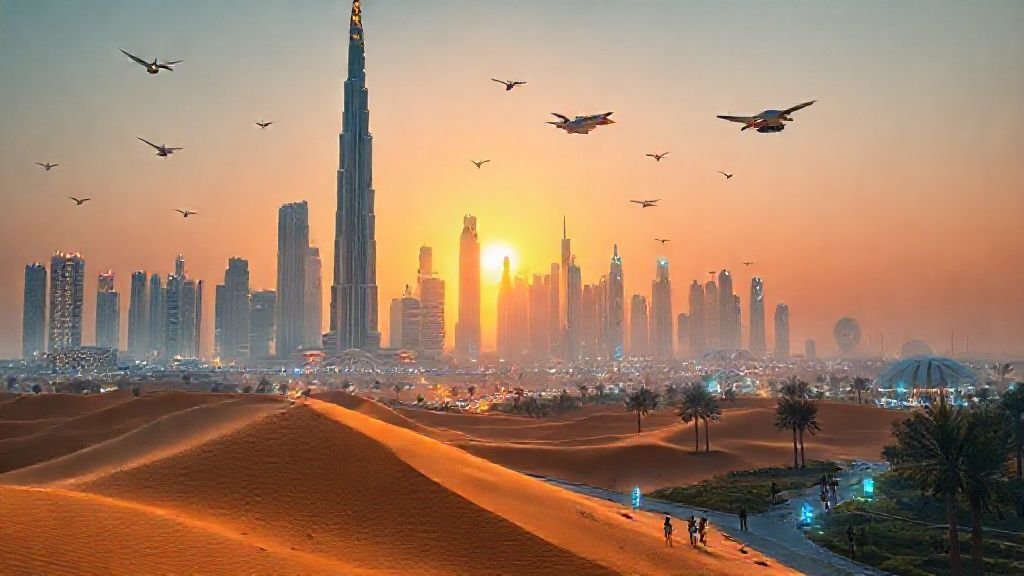
Dubai has always been a city that looks toward the future. From its iconic skyline to its ambitious plans for sustainability, the spirit of innovation is woven into every project. In 2025, the city is stepping into a new era where technology is not just a tool but a living system that powers everyday life, reshaping how residents work, travel, shop and connect.
1. The Birth of a Smart City
When most people think of a smart city, images of connected traffic lights, billboards that update in real time, and drones delivering packages come to mind. Dubai’s journey began with the Smart Dubai programme, which set out to create a city where digital services are delivered more efficiently and transparently. The programme’s core goals were:
- Digital identity for citizens and residents.
- Integrated data platform for city services.
- Smart infrastructure that adapts to real‑time needs.
- Encouragement of start‑ups and tech investment.
These pillars laid the groundwork for a city that can react to the needs of its people instantly, making daily life smoother and more rewarding. This foundation also helped launch a wave of projects that pushed Dubai ahead of the global curve.
2. Artificial Intelligence Takes the Driver’s Seat
Artificial Intelligence (AI) has become the engine behind many of Dubai’s newest achievements. From predictive policing that helps keep streets safe to AI‑powered logistics that reduce delivery times, the technology is changing every sector.
Transportation and Mobility
The Dubai Metro’s robots now run maintenance checks without human intervention. Autonomous buses navigate the sidewalks, delivering passengers between business districts with minimal delays.
Healthcare Revolution
AI algorithms predict potential health risks based on lifestyle and genetic data, allowing doctors to intervene early. Virtual consultations powered by AI chatbots provide instant medical advice, freeing up specialists for complex cases.
Public Safety and Law Enforcement
Machine‑learning models detect unusual crowd movements and highlight potential security threats before they grow. Law‑enforcement drones patrol the city, ensuring that emergency response is swift and efficient.
By embedding AI into everyday services, Dubai turns its metropolis into a responsive organism that learns and grows with its people.
3. Blockchain: The Invisible Ledger of Modern Life
While blockchain has made headlines in finance, its real power lies in its transparency and security. Dubai has leveraged the technology to create tamper‑proof systems across government, healthcare, and logistics.
One notable example is the Digital Health Pass—an immutable record that tracks vaccination, medical history, and health alerts. Similarly, property transactions are recorded on a blockchain, cutting down paperwork and fraud while speeding up closing times.
These applications not only add value for the government but also provide a sense of trust for residents and investors alike.
4. The Architecture of Tomorrow: Smart Skyscrapers and Infrastructure
Dubai’s skyline is home to more than just office space; it is a living laboratory for sustainable design. Buildings now incorporate:
- Energy Harvesting Windows: Transparent solar panels that provide electricity to the building’s systems.
- Responsive Facades: Skin that adjusts to sunlight and temperature, keeping interiors comfortable while lowering energy usage.
- Water Recycling Systems: On‑site purification that reduces municipal water demand.
These features not only reduce carbon footprints but also lower operational costs, making high‑rise living accessible to a wider audience.
5. Technology Hubs and the Start‑up Ecosystem
The city’s growth is driven partly by its vibrant ecosystem for technology start‑ups. Numerous incubators provide mentorship, financing, and access to venture capital. Key areas of focus include:
- FinTech solutions simplifying banking for the cloud‑native generation.
- EdTech platforms that bring personalized learning to anyone on the move.
- HealthTech that integrates wearable data with AI diagnostics.
- Supply chain technology creating end‑to‑end traceability.
Dubai’s open data initiatives give start‑ups a wealth of information—making it easier to test and scale products that fit the local market and can also export worldwide.
6. The Human Touch: Building Tech Culture
Innovation is only as good as the people behind it. Dubai invests heavily in human capital: from schools teaching coding from kindergarten to higher‑education programmes that put AI and blockchain at the forefront.
Workshops lead residents to create their own mini‑projects, giving them a sense of ownership over the urban digital narrative. These efforts foster a public appetite for technology, ensuring that the next wave of ideas will come from diverse voices.
7. Looking Ahead: What Lies Beyond 2025?
The ambition never stops. While 2025 has delivered massive strides, the sights are now set on a more interconnected yet sustainable system.
- Zero‑carbon buildings enabled by nanomaterials.
- Hyper‑fast transport links into the desert, turning islands into bustling hubs.
- Advanced AI that helps residents live healthier lifestyles by predicting needs.
- Fully autonomous commercial districts where order and efficiency thrive.
These future projects are based on data collected in real time, meaning the city can adapt quickly to changing aspirations.
Dubai’s transformation demonstrates how creating a digital ecosystem, backed by supportive policy, can accelerate progress for all residents and set a global example for future city planning.
Want to read more about how Dubai is turning skyscrapers into AI hubs? Explore our story on skyscraper AI transformation.
Curious how the city’s smart system uses AI and blockchain to improve everyday life? Dive into the pulse of Dubai’s tech evolution.
Still wondering how visionary dreams turned into a reality of smart cities and AI? Discover the journey of Dubai’s tech pulse.


Looking for a GCS Crypto Currency Licence and Registration in Dubai?

Best Crypto currency license Services in Dubai

Dubai 2025: The Tech Revolution Unveiled – From Smart Cities to AI‑Driven Innovation

Top 10 Highest-Paying Jobs in Dubai for 2024-25

How Much Does It Cost to Open a Company in Dubai in 2024?

Top 10 Business Opportunities in Dubai for 2024-2025
-

 Business2 years ago
Top 10 Highest-Paying Jobs in Dubai for 2024-25
-
Business2 years ago
How Much Does It Cost to Open a Company in Dubai in 2024?
-
Business2 years ago
Top 10 Business Opportunities in Dubai for 2024-2025
-
Business2 years ago
Best upcoming exhibitions and trade shows in Dubai, 2024
-
Blog2 years ago
Places to Visit in Ras Al Khaimah
-
Sports2 years ago
Top 5 Upcoming International Sporting Events in Dubai (2024-2025)
-
Latest7 months ago
Dubai Golden Visa 2025: Everything You Need to Know About Eligibility, Benefits and Application Process
-
Business2 years ago
Top 5 Networking Events for Businesses in Dubai in 2024