Blog
Dubai’s Digital Dream: How Technology is Shaping Tomorrow’s Cityscape

- /home/u134898463/domains/explore-dubai.com/public_html/wp-content/plugins/mvp-social-buttons/mvp-social-buttons.php on line 27
Warning: Trying to access array offset on value of type bool in /home/u134898463/domains/explore-dubai.com/public_html/wp-content/plugins/mvp-social-buttons/mvp-social-buttons.php on line 27
&description=Dubai’s Digital Dream: How Technology is Shaping Tomorrow’s Cityscape', 'pinterestShare', 'width=750,height=350'); return false;" title="Pin This Post">
- Share
- Tweet /home/u134898463/domains/explore-dubai.com/public_html/wp-content/plugins/mvp-social-buttons/mvp-social-buttons.php on line 72
Warning: Trying to access array offset on value of type bool in /home/u134898463/domains/explore-dubai.com/public_html/wp-content/plugins/mvp-social-buttons/mvp-social-buttons.php on line 72
&description=Dubai’s Digital Dream: How Technology is Shaping Tomorrow’s Cityscape', 'pinterestShare', 'width=750,height=350'); return false;" title="Pin This Post">
Every time someone says “Dubai,” images of soaring skyscrapers, luxury malls and endless desert dunes flicker through the mind. But beneath the glitter lies something even more dazzling – a city that’s rewriting the rules of the digital age. From the smart traffic system that eases the rush hour chaos to AI-powered warehouses that promise faster deliveries, Dubai’s technology revolution is turning the city into a living laboratory for tomorrow’s innovations.
In this post, we’ll break down the key tech trends that are defining Dubai, explore why they matter for residents, businesses and the global tech community, and give you a glimpse into the future of this fast‑paced metropolis. While we’ll reference specific initiatives and projects, keep in mind that the city’s tech roadmap is still evolving and remains a work in progress.
1. A Smart City Blueprint: Integrating Infrastructure and Innovation
Dubai launched its Smart City vision in 2015, aiming to bring digital solutions into everyday life. The city’s strategy revolves around three pillars: people, economy, and environment. Each pillar uses technology as a catalyst for change.
- People: This includes contactless public services, digital identity, and a comprehensive data framework that gives residents a seamless experience. For example, the Dubai Smart City Technology portal allows users to pay for public transport, bill payments, and bookings all from one app.
- Economy: Dubai’s startup ecosystem thrives on fintech, healthtech, and edtech. By providing cloud infrastructure and generous incentives, the government has nurtured companies like Avvir and One Inch. These startups keep the city at the cutting edge of data analytics and software development.
- Environment: The desert climate demands smart water conservation and energy efficiency. Dubai’s solar farms and city‑wide IoT sensors monitor power usage, ensuring that technology does more than just improve traffic – it safeguards resources.
The synergy of these pillars showcases a city that lives and breathes data. The result is a setting where a driver can see real‑time bus schedules on a digital billboard, pedestrians can access health services via an app, and businesses can tap into national‑wide cybersecurity frameworks—all without breaking a sweat.
2. AI: From Task Automation to Smart Governance
Artificial Intelligence isn’t just a buzzword in Dubai; it’s a core component of daily life. Two standout examples illustrate its breadth:
- AI‑Based Garbage Sorting – Robots like “Kora,” built in partnership with IBM, scan trash, identify recyclable materials, and triage disposal. That reduces landfill waste by up to 30% while ensuring high recycling quality.
- Predictive Traffic Management – With an integrated network of sensors, drones and advanced algorithms, the city anticipates traffic surges and adjusts light cycles in real time. As a result, average commute times on key arteries have dropped by nearly 15% since the system’s rollout.
Governance also benefits from AI. The Dubai Police AI Force uses facial recognition and predictive policing algorithms to identify potential threats quicker than traditional methods. Additionally, the municipal AI system can forecast water shortages by analyzing weather patterns and consumption data, allowing authorities to implement short‑term rationing proactively.
These examples illustrate that AI in Dubai goes beyond automation; it’s about building a smarter, safer, and more sustainable living environment.
3. Blockchain: Securing Transactions, Data, and Identity
Dubai’s “Blockchain Strategy” emerged after the “Dubai Blockchain Strategy 2020” initiative, which aimed to drive global adoption of the technology. Key projects include:
- Digital Land Registry – Every property record on the blockchain protects against fraud and makes transactions faster, reducing paperwork from 15 minutes to a few seconds.
- Hyperledger Fabric in Healthcare – The system stores patient records in an immutable ledger, ensuring that data sharing between hospitals is seamless and secure.
- Tokenized Real Estate – Investors can buy fractional interest in a building, opening up real estate to a broader audience and enabling liquidity in an otherwise illiquid market.
What’s remarkable is how many sectors embrace blockchain—finance, law, logistics, and beyond—making Dubai a unique cross‑section of innovations that rely on a shared virtual backbone.
4. Autonomous Mobility: The Future of Transport
Dubai’s ambition to become a hub for autonomous vehicles is evident in numerous pilot programs. The city’s autonomous taxi fleet, scoping out routes across its downtown, is a real-world testbed for driverless technology. In addition, a network of autonomous shuttles now serves the Expo 2020 site, ferrying crowds efficiently between different venues.
Beyond ground transportation, the city invests in drone delivery. The “Maritime Drone” program, launched in partnership with local logistics firms, flips the conventional idea of parcel delivery on its head—airborne drones deliver goods faster while lowering carbon footprints.
These movements to automate give residents practical, everyday benefits: less congestion, lower emissions, and faster service times.
5. The Hyperloop & Hyper‑Connectivity
Dubai is aggressively pushing for hyper‑connected infrastructure. A notable project is the “Hyperloop” initiative, meant to swoop travelers between Dubai and Abu Dhabi in just 20 minutes. While the first test runs remain under development, the city’s commitment to such transformative projects speaks to its vision of a future where distance is immaterial.
Concurrently, satellite constellations like “DubaiSat” promise to deliver high‑speed internet to even the most remote parts of the emirate. As the access to reliable connectivity expands, remote workers, IoT deployments, and data‑centric services will flourish.
6. Sustainability Through Tech: Clean Energy, Water Management, and Smart Buildings
Dubai’s environment scorecard isn’t just about construction; it’s about smart consumption. The city’s two mega solar farms, Al Khaleej and Benban, thread uninterrupted solar power into the grid, reducing fossil‑fuel reliance. Additionally:
- Smart buildings use AI to adjust lighting, temperature, and ventilation, achieving a 30% reduction in energy usage.
- Water‑saving IoT devices that detect leaks in real time cut waste, while smart irrigation systems adjust watering schedules to local climate data.
- Post‑pandemic, the city’s “Green Cleaning” protocols use UV‑C LEDs and bionic surfaces to reduce pathogen spread, ensuring safety in public areas.
These green tech approaches reinforce Dubai’s global image as a lionhearted city that clearly believes technology is the best friend of sustainability.
7. The AI & Blockchain Synergy: Smart Contracts & Predictive Analytics
Integrating AI with blockchain spells a new chapter in secure, efficient processes. Imagine a freelance marketplace where gigs are recorded on a blockchain ledger and AI algorithms match workers to tasks in real time, verifying credentials automatically. Or a smart contract automatically triggers a payment when a sensor confirms a delivery’s arrival. All of this is becoming a reality in Dubai’s tech ecosystem.
Startup the Triple Layered Tech Revolution showcases the synergy of these advanced technologies, and it’s a prime example of how Dubai’s strategy translates into tangible applications.
8. The Human Angle: Education, Innovation Hubs, and Talent Attraction
Technology adoption in Dubai isn’t just about gadgets. It’s equally about the talent pool that feeds it. The city hosts:
- Dubai Internet City – a world‑class hub that houses multinational tech firms.
- Dubai Knowledge Park – a center for learning, where AI courses are offered by top universities.
- Alexandria Technology Center – a joint initiative fostering collaboration between academia and industry.
Moreover, the government runs the “Dubai Future Accelerators” program, matching international tech experts with city projects to foster co‑creation. This cross‑border collaboration means fresh ideas are constantly flowing into the city’s ecosystem.

These talent‑focused models ensure that the city doesn’t just adopt tech; it becomes a breeding ground for it.
9. Consumer Experience: How Tech Transforms Dubai Living
From a practical perspective, the tech narrative in Dubai is all about convenience. Travelers experience check‑in, security, and boarding through an AI‑powered app that predicts delays. Residents use “G42” platforms for digital health diagnostics. Business owners leverage data‑driven marketing tools that target audiences with pinpoint accuracy.
Notably, the globally recognized Dubai Tech Pulse showcases how new tech disrupts mundane processes: a vending machine now replicates finger‑print verification to dispense medication, reducing human error.
With such seamless integration, everyday tasks are becoming fewer and smarter, freeing up time for creativity and leisure.
10. The Challenge: Balancing Growth with Regulation
Generous visa policies for entrepreneurs, supportive regulations, and large funding pools are great, but they also pose risks. Data privacy has become a central pillar of Dubai’s policy debate, especially as the city uses facial recognition and biometric identification extensively. The “Privacy by Design” initiative attempts to guard user data while still enabling the city’s smart ambitions.
Meanwhile, cybersecurity remains at the forefront. With connected infrastructure, the city’s “Dubai Cyber Defense Lab” trains cyber‑security professionals to defend critical systems. Not only does it protect data, but it also preserves the very fabric of the smart city economy.
With an open arms approach, Dubai is reshaping governance in ways that maintain transparency while unlocking innovation.
11. The Future Roadmap: What Next?
- Robot‑Run Malls: The next wave of retail will likely involve autonomous robots for cleaning, inventory management, and customer service.
- Honeycomb Architecture: Smart glass panels that store solar energy, converting shading into power supplies for surrounding buildings.
- AI‑Powered Urban Planning: Dynamic city models that simulate changes in real time, allowing planners to tweak layouts before breaking ground.
- Mixed Reality Tourism: Augmented reality can highlight historic layers over the modern skyline, creating interactive tours for visitors.
Dubai’s roadmap may still get tweaked, but the city is already on a promising path toward becoming a global benchmark for tech‑enabled living.
12. Final Thoughts: Dubai, a Living Lab for Global Innovation
While the desert setting might suggest a quiet, slow‑paced life, Dubai is anything but. It’s a living, breathing laboratory where technology marches on hand‑in‑hand with ambition. The city’s success arises from a multilayered approach – policy, infrastructure, community, and forward‑thinking leadership. As a result, each new app, each smart building, and each export‑focusing startup weaves a richer tapestry of the future.
For entrepreneurs, this environment offers a stage where ideas adapt quickly to market needs: a venture can test an AI model today, deploy it city‑wide tomorrow, and then refine again with real‑world data. For residents, the everyday experience is smoother, safer, and more sustainable. And for global observers, Dubai offers a blueprint that balances the allure of cutting‑edge tech with concrete solutions to everyday problems.
Where else can you find a city that is literally building its way to the future? Only in Dubai, and that’s why its story matters; the city looks not only at the next technological trend but how it becomes embedded in the lives of millions.
Want to stay up‑to‑date with the latest tech stance of Dubai and an arena where you can learn more about the future? Visit Dubai Tech Pulse to get in-depth analyses on how the city’s tech initiatives are shaping the global landscape.
And if you’re curious about how you could benefit from the rapid digital wave, dive into Dubai Tech Renaissance for detailed playbooks.
Looking for a GCS Crypto Currency Licence and Registration in Dubai?
Welcome to our guide on Crypto currency license in Dubai. At GCS, we specialize in providing top-quality Crypto currency license services to meet your needs.
Why Choose Our Crypto currency license Services?
Our team of experienced professionals understands the importance of quality Crypto currency license in Dubai. We pride ourselves on delivering exceptional results and customer satisfaction.
Our Approach to Crypto currency license
We take a comprehensive approach to Crypto currency license, ensuring that every aspect of our service meets the highest standards. Our process includes:
- Thorough consultation to understand your specific needs
- Customized solutions tailored to your situation
- Ongoing support throughout the process
- Transparent communication at every step
Important Resources
For more information about Crypto currency license, check out these valuable resources:
- Crypto Currency Licence in Dubai
- Dubai Crypto Currency Licence
- Crypto Currency Registration in Dubai
- Dubai Crypto Currency Registration
- GCS Crypto Currency Licence in Dubai
Get Started Today
Ready to experience the difference our Crypto currency license services can make? Contact GCS today to schedule your consultation. Our team is standing by to answer your questions and help you get started on the path to success.
Don’t wait – reach out to us today and discover why so many people in Dubai trust GCS for their Crypto currency license needs.
Best Crypto currency license Services in Dubai
Welcome to our guide on Crypto currency license in Dubai. At GCS, we specialize in providing top-quality Crypto currency license services to meet your needs.
Why Choose Our Crypto currency license Services?
Our team of experienced professionals understands the importance of quality Crypto currency license in Dubai. We pride ourselves on delivering exceptional results and customer satisfaction.
Our Approach to Crypto currency license
We take a comprehensive approach to Crypto currency license, ensuring that every aspect of our service meets the highest standards. Our process includes:
- Thorough consultation to understand your specific needs
- Customized solutions tailored to your situation
- Ongoing support throughout the process
- Transparent communication at every step
Important Resources
For more information about Crypto currency license, check out these valuable resources:
- Crypto Currency Licence in Dubai
- Dubai Crypto Currency Licence
- Crypto Currency Registration in Dubai
- Dubai Crypto Currency Registration
- GCS Crypto Currency Licence in Dubai
Get Started Today
Ready to experience the difference our Crypto currency license services can make? Contact GCS today to schedule your consultation. Our team is standing by to answer your questions and help you get started on the path to success.
Don’t wait – reach out to us today and discover why so many people in Dubai trust GCS for their Crypto currency license needs.
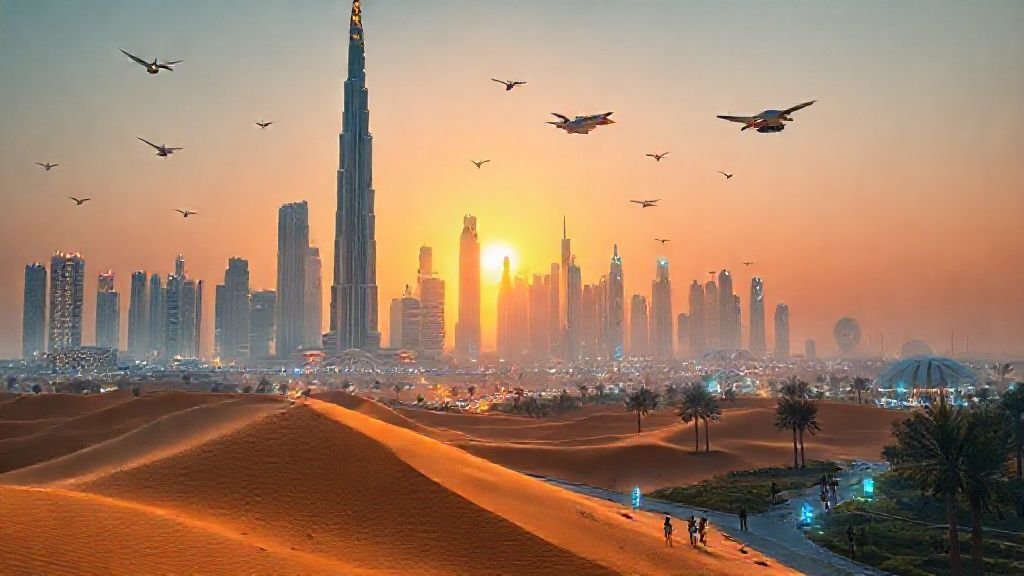
Dubai has always been a city that looks toward the future. From its iconic skyline to its ambitious plans for sustainability, the spirit of innovation is woven into every project. In 2025, the city is stepping into a new era where technology is not just a tool but a living system that powers everyday life, reshaping how residents work, travel, shop and connect.
1. The Birth of a Smart City
When most people think of a smart city, images of connected traffic lights, billboards that update in real time, and drones delivering packages come to mind. Dubai’s journey began with the Smart Dubai programme, which set out to create a city where digital services are delivered more efficiently and transparently. The programme’s core goals were:
- Digital identity for citizens and residents.
- Integrated data platform for city services.
- Smart infrastructure that adapts to real‑time needs.
- Encouragement of start‑ups and tech investment.
These pillars laid the groundwork for a city that can react to the needs of its people instantly, making daily life smoother and more rewarding. This foundation also helped launch a wave of projects that pushed Dubai ahead of the global curve.
2. Artificial Intelligence Takes the Driver’s Seat
Artificial Intelligence (AI) has become the engine behind many of Dubai’s newest achievements. From predictive policing that helps keep streets safe to AI‑powered logistics that reduce delivery times, the technology is changing every sector.
Transportation and Mobility
The Dubai Metro’s robots now run maintenance checks without human intervention. Autonomous buses navigate the sidewalks, delivering passengers between business districts with minimal delays.
Healthcare Revolution
AI algorithms predict potential health risks based on lifestyle and genetic data, allowing doctors to intervene early. Virtual consultations powered by AI chatbots provide instant medical advice, freeing up specialists for complex cases.
Public Safety and Law Enforcement
Machine‑learning models detect unusual crowd movements and highlight potential security threats before they grow. Law‑enforcement drones patrol the city, ensuring that emergency response is swift and efficient.
By embedding AI into everyday services, Dubai turns its metropolis into a responsive organism that learns and grows with its people.
3. Blockchain: The Invisible Ledger of Modern Life
While blockchain has made headlines in finance, its real power lies in its transparency and security. Dubai has leveraged the technology to create tamper‑proof systems across government, healthcare, and logistics.
One notable example is the Digital Health Pass—an immutable record that tracks vaccination, medical history, and health alerts. Similarly, property transactions are recorded on a blockchain, cutting down paperwork and fraud while speeding up closing times.
These applications not only add value for the government but also provide a sense of trust for residents and investors alike.
4. The Architecture of Tomorrow: Smart Skyscrapers and Infrastructure
Dubai’s skyline is home to more than just office space; it is a living laboratory for sustainable design. Buildings now incorporate:
- Energy Harvesting Windows: Transparent solar panels that provide electricity to the building’s systems.
- Responsive Facades: Skin that adjusts to sunlight and temperature, keeping interiors comfortable while lowering energy usage.
- Water Recycling Systems: On‑site purification that reduces municipal water demand.
These features not only reduce carbon footprints but also lower operational costs, making high‑rise living accessible to a wider audience.
5. Technology Hubs and the Start‑up Ecosystem
The city’s growth is driven partly by its vibrant ecosystem for technology start‑ups. Numerous incubators provide mentorship, financing, and access to venture capital. Key areas of focus include:
- FinTech solutions simplifying banking for the cloud‑native generation.
- EdTech platforms that bring personalized learning to anyone on the move.
- HealthTech that integrates wearable data with AI diagnostics.
- Supply chain technology creating end‑to‑end traceability.
Dubai’s open data initiatives give start‑ups a wealth of information—making it easier to test and scale products that fit the local market and can also export worldwide.
6. The Human Touch: Building Tech Culture
Innovation is only as good as the people behind it. Dubai invests heavily in human capital: from schools teaching coding from kindergarten to higher‑education programmes that put AI and blockchain at the forefront.
Workshops lead residents to create their own mini‑projects, giving them a sense of ownership over the urban digital narrative. These efforts foster a public appetite for technology, ensuring that the next wave of ideas will come from diverse voices.
7. Looking Ahead: What Lies Beyond 2025?
The ambition never stops. While 2025 has delivered massive strides, the sights are now set on a more interconnected yet sustainable system.
- Zero‑carbon buildings enabled by nanomaterials.
- Hyper‑fast transport links into the desert, turning islands into bustling hubs.
- Advanced AI that helps residents live healthier lifestyles by predicting needs.
- Fully autonomous commercial districts where order and efficiency thrive.
These future projects are based on data collected in real time, meaning the city can adapt quickly to changing aspirations.
Dubai’s transformation demonstrates how creating a digital ecosystem, backed by supportive policy, can accelerate progress for all residents and set a global example for future city planning.
Want to read more about how Dubai is turning skyscrapers into AI hubs? Explore our story on skyscraper AI transformation.
Curious how the city’s smart system uses AI and blockchain to improve everyday life? Dive into the pulse of Dubai’s tech evolution.
Still wondering how visionary dreams turned into a reality of smart cities and AI? Discover the journey of Dubai’s tech pulse.


Looking for a GCS Crypto Currency Licence and Registration in Dubai?

Best Crypto currency license Services in Dubai

Dubai 2025: The Tech Revolution Unveiled – From Smart Cities to AI‑Driven Innovation

Top 10 Highest-Paying Jobs in Dubai for 2024-25

How Much Does It Cost to Open a Company in Dubai in 2024?

Top 10 Business Opportunities in Dubai for 2024-2025
-

 Business2 years ago
Top 10 Highest-Paying Jobs in Dubai for 2024-25
-
Business2 years ago
How Much Does It Cost to Open a Company in Dubai in 2024?
-
Business2 years ago
Top 10 Business Opportunities in Dubai for 2024-2025
-
Business2 years ago
Best upcoming exhibitions and trade shows in Dubai, 2024
-
Blog2 years ago
Places to Visit in Ras Al Khaimah
-
Sports2 years ago
Top 5 Upcoming International Sporting Events in Dubai (2024-2025)
-
Latest7 months ago
Dubai Golden Visa 2025: Everything You Need to Know About Eligibility, Benefits and Application Process
-
Business2 years ago
Top 5 Networking Events for Businesses in Dubai in 2024