Blog
Dubai’s Tech Pulse: How Innovation Shapes Tomorrow

- /home/u134898463/domains/explore-dubai.com/public_html/wp-content/plugins/mvp-social-buttons/mvp-social-buttons.php on line 27
https://explore-dubai.com/wp-content/uploads/2025/11/panoramic-view-of-dubais-skyline-at-dusk-the-burj-khalifa-glimmers-above-a-futuristic-sleek-metro-1000x576.jpg&description=Dubai’s Tech Pulse: How Innovation Shapes Tomorrow', 'pinterestShare', 'width=750,height=350'); return false;" title="Pin This Post">
- Share
- Tweet /home/u134898463/domains/explore-dubai.com/public_html/wp-content/plugins/mvp-social-buttons/mvp-social-buttons.php on line 72
https://explore-dubai.com/wp-content/uploads/2025/11/panoramic-view-of-dubais-skyline-at-dusk-the-burj-khalifa-glimmers-above-a-futuristic-sleek-metro-1000x576.jpg&description=Dubai’s Tech Pulse: How Innovation Shapes Tomorrow', 'pinterestShare', 'width=750,height=350'); return false;" title="Pin This Post">
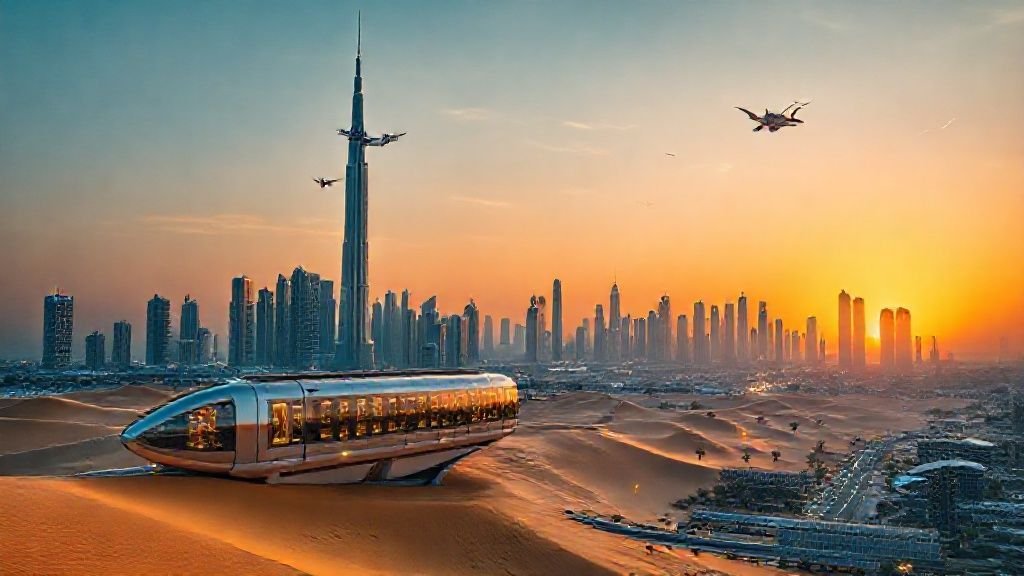
Dubai is no longer just a glittering desert city. It’s become a living laboratory where bright ideas turn into real change. From self‑driving cars to smart buildings, the city’s ambition pushes the boundaries of what technology can do for people, businesses and the environment.
1. The Roots of Dubai’s Tech Ambition
Dubai’s story started in the 1960s with a focus on oil and trade. When the economy grew, the leaders knew they could not sit back forever. They asked the question: “How can we make the city smarter, greener and more connected?” The answer was a long‑term plan that blends visionary policy, investment in research, and a culture that welcomes experimentation.
One early sign of this shift was the creation of Dubai Internet City in 1999. That hub drew tech firms from around the globe and taught locals that high‑tech jobs can thrive in a desert climate. Since then, the city has built a network of free zones, universities, incubators and innovation labs, making it a magnet for talent and capital.
2. Smart Cities: A Blueprint for the Future
2.1 Connected Infrastructure
Imagine driving through the city as the road sensors talk to each other, adjusting traffic lights to keep cars moving smoothly. Dubai is turning this vision into reality with a city‑wide network of sensors, cameras and data analytics. In 2025, the technology team announced that up to 70% of road infrastructure will be networked, providing real‑time updates to drivers and transport operators.
- Wireless sensors embedded in roadways detect speed, vehicle counts and incidents.
- Information is sent to a central hub that uses predictive models to anticipate congestion.
- In response, traffic lights adjust green‑time signals to ease bottlenecks.
2.2 Sustainability and Green Tech
Dubai’s desert climate drives an urgent need for water and energy efficiency. By 2025, the city aims for 50% of power from renewable sources, mainly solar farms and waste‑to‑energy plants. Clever water‑recycling kiosks have already been installed in public parks, turning grey water into drip irrigation for palm trees.
- Solar panels cover 40% of the new residential complexes.
- Waste‑to‑energy plants convert municipal waste into electricity.
- Smart water meters alert residents to leaks and over‑use.
3. Artificial Intelligence (AI) and Machine Learning (ML) at Work
Dubai’s push for AI is well above what most cities think is possible. The government issues regular challenges to developers, inviting them to create applications that make city life easier or safer. For instance, a recent program asked teams to create a model that predicts pedestrian flow in public spaces, enabling better crowd management during events.
In the corporate world, UAE banks are using AI to spot fraud in minutes, rather than days. Meanwhile, a local logistics start‑up deploys AI to route delivery drones, cutting shipping times by 30% in densely populated neighborhoods.
4. Blockchain: Trust in a Transit‑Ready City
Blockchain was once only the technology behind Bitcoin, but it helped Disney’s park employees learn about data security and transparency. In Dubai, the government uses it for land registration, ensuring that property titles are tamper‑proof and accessible in seconds.
Transport authorities also pilot blockchain for public transport tickets. A rider scans a QR code; the transaction is instantly verified and recorded on the chain, eliminating paper use and reducing fraud.
5. Internet of Things (IoT): The Sense of a City
IoT goes beyond smart buses or Wi‑Fi in cafés. It’s the invisible web that connects everyday devices – from the streetlights that dim at dusk to the building services that monitor air quality.
At 2030, Dubai expects to have 10 million connected devices. These devices share data through a secure network that uses 5G technology, ensuring quick, reliable responses to local needs.
6. FinTech Innovation: Digital Banking for the Desert
Dubai’s thriving fintech scene showcases how technology can make banking faster, safer and more inclusive. Mobile payment apps have a user base of 2 million, down from the per‑mobile service feel of the past. New wallet services enable instant money transfers, even across borders – all in a few taps.
7. HealthTech: A Brighter Future for Dubai’s Citizens
One of Dubai’s biggest challenges is health preparedness. In 2025, the health ministry launched a nationwide telehealth platform, letting residents consult doctors via video chat. The platform also uses AI to triage patients, ensuring those who need urgent care reach hospitals faster.
Robotics and 3D printing have been used to build custom prosthetics for veterans, enhancing the rehabilitation process. Artificial intelligence also helps identify obesity risk factors early, allowing preventive measures.
8. Education Tech: Learning for the Next Generation
Dubai’s schools aren’t only about chalk and boards. They now use VR headsets to take students on virtual field trips – a deep dive into the human heart, the inside of a spacecraft, or the surface of Mars. Gamified learning apps encourage students to solve coding problems and create their own software.
A collaboration between the Ministry of Education and a leading tech company brings students to learn machine‑learning algorithms in real‑time, helping them understand how every line of code affects a system.
9. Smart Tourism: Enhancing Visitor Experience
Dubai’s tourism sector is one of the richest streams of revenue, and technology makes visits unforgettable. A smart guide app not only offers translations between 10 languages but also recommends attractions based on a visitor’s interests and time of day.
Smart parking systems signal available spots to tourists via an app. This not only saves frustration but reduces traffic congestion, optimizing city life for locals and visitors alike.
10. Urban Planning in the Age of Data
Urban planners use GIS data combined with real‑time statistics to craft better neighborhoods. For instance, by 2025, an open‑data portal will let citizens see where new schools, parks and hospitals are planned, allowing for community feedback before construction.
By integrating environmental data – like wind speeds and temperature – planners design buildings that naturally cool without high energy consumption, reducing costs for residents.
11. The Bits That Build Dubai’s Future
Technology drives Dubai’s economy, but people are the engine. A strong culture of entrepreneurship, supported by scholarships and funding, ensures that every generation aspires to be a developer, designer or engineer. In 2025, the city will see more than 4,000 start‑ups with a combined valuation of $30 billion.
Dubai’s smart initiatives don’t just create jobs – they also foster innovation ecosystems that nurture more ideas, turning the city into a global tech powerhouse.
12. Challenges and Ethical Considerations
With great technology comes great responsibility. Data privacy remains a foremost concern. Dubai’s regulatory bodies aim to create “data‑first” laws that protect citizens while also allowing businesses to innovate.
Moreover, the digital divide between those who can afford round‑the‑clock connectivity and those who cannot must be bridged. The government plans a public Wi‑Fi initiative in under‑served neighborhoods.
13. What the Future Holds, 2025 and Beyond
By 2025, Dubai envisions a city where technology solves everyday challenges, from traffic jams to waste management. However, the journey doesn’t stop there. The next phase focuses on sustainable growth, ensuring that every tech advancement is environmentally responsible.
Key areas for next step includes:
- Expanding the 5G network to cover rural and coastal zones.
- Scaling AI‑driven public services to include tax filing and custom inspections.
- Integrating blockchain into education, ensuring transparent degrees and certifications.
14. Takeaway: Dubai’s Tech Story Can Inspire All of Us
Dubai’s journey is a clear message: ambitious technology goals are achievable with clear vision, partnership between government, businesses and citizens, and a culture of constant learning. Whether you’re part of an entrepreneur, a public servant or a curious traveler, the city is a living lesson in how to turn ideas into impact. Thank you for joining us on this tech‑filled tour of Dubai.
For more insights into how Dubai’s tech is shaping daily life, check out this article on the city’s 2025 tech pulse and learn about the city’s smart city design and AI synergy. Stay curious and keep exploring the future!
Looking for a GCS Crypto Currency Licence and Registration in Dubai?
Welcome to our guide on Crypto currency license in Dubai. At GCS, we specialize in providing top-quality Crypto currency license services to meet your needs.
Why Choose Our Crypto currency license Services?
Our team of experienced professionals understands the importance of quality Crypto currency license in Dubai. We pride ourselves on delivering exceptional results and customer satisfaction.
Our Approach to Crypto currency license
We take a comprehensive approach to Crypto currency license, ensuring that every aspect of our service meets the highest standards. Our process includes:
- Thorough consultation to understand your specific needs
- Customized solutions tailored to your situation
- Ongoing support throughout the process
- Transparent communication at every step
Important Resources
For more information about Crypto currency license, check out these valuable resources:
- Crypto Currency Licence in Dubai
- Dubai Crypto Currency Licence
- Crypto Currency Registration in Dubai
- Dubai Crypto Currency Registration
- GCS Crypto Currency Licence in Dubai
Get Started Today
Ready to experience the difference our Crypto currency license services can make? Contact GCS today to schedule your consultation. Our team is standing by to answer your questions and help you get started on the path to success.
Don’t wait – reach out to us today and discover why so many people in Dubai trust GCS for their Crypto currency license needs.
Best Crypto currency license Services in Dubai
Welcome to our guide on Crypto currency license in Dubai. At GCS, we specialize in providing top-quality Crypto currency license services to meet your needs.
Why Choose Our Crypto currency license Services?
Our team of experienced professionals understands the importance of quality Crypto currency license in Dubai. We pride ourselves on delivering exceptional results and customer satisfaction.
Our Approach to Crypto currency license
We take a comprehensive approach to Crypto currency license, ensuring that every aspect of our service meets the highest standards. Our process includes:
- Thorough consultation to understand your specific needs
- Customized solutions tailored to your situation
- Ongoing support throughout the process
- Transparent communication at every step
Important Resources
For more information about Crypto currency license, check out these valuable resources:
- Crypto Currency Licence in Dubai
- Dubai Crypto Currency Licence
- Crypto Currency Registration in Dubai
- Dubai Crypto Currency Registration
- GCS Crypto Currency Licence in Dubai
Get Started Today
Ready to experience the difference our Crypto currency license services can make? Contact GCS today to schedule your consultation. Our team is standing by to answer your questions and help you get started on the path to success.
Don’t wait – reach out to us today and discover why so many people in Dubai trust GCS for their Crypto currency license needs.
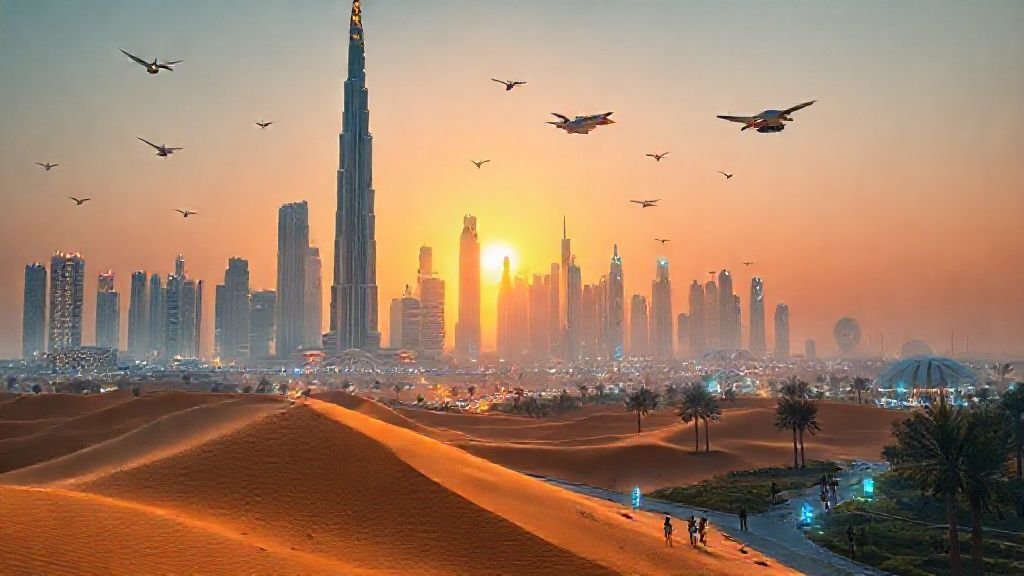
Dubai has always been a city that looks toward the future. From its iconic skyline to its ambitious plans for sustainability, the spirit of innovation is woven into every project. In 2025, the city is stepping into a new era where technology is not just a tool but a living system that powers everyday life, reshaping how residents work, travel, shop and connect.
1. The Birth of a Smart City
When most people think of a smart city, images of connected traffic lights, billboards that update in real time, and drones delivering packages come to mind. Dubai’s journey began with the Smart Dubai programme, which set out to create a city where digital services are delivered more efficiently and transparently. The programme’s core goals were:
- Digital identity for citizens and residents.
- Integrated data platform for city services.
- Smart infrastructure that adapts to real‑time needs.
- Encouragement of start‑ups and tech investment.
These pillars laid the groundwork for a city that can react to the needs of its people instantly, making daily life smoother and more rewarding. This foundation also helped launch a wave of projects that pushed Dubai ahead of the global curve.
2. Artificial Intelligence Takes the Driver’s Seat
Artificial Intelligence (AI) has become the engine behind many of Dubai’s newest achievements. From predictive policing that helps keep streets safe to AI‑powered logistics that reduce delivery times, the technology is changing every sector.
Transportation and Mobility
The Dubai Metro’s robots now run maintenance checks without human intervention. Autonomous buses navigate the sidewalks, delivering passengers between business districts with minimal delays.
Healthcare Revolution
AI algorithms predict potential health risks based on lifestyle and genetic data, allowing doctors to intervene early. Virtual consultations powered by AI chatbots provide instant medical advice, freeing up specialists for complex cases.
Public Safety and Law Enforcement
Machine‑learning models detect unusual crowd movements and highlight potential security threats before they grow. Law‑enforcement drones patrol the city, ensuring that emergency response is swift and efficient.
By embedding AI into everyday services, Dubai turns its metropolis into a responsive organism that learns and grows with its people.
3. Blockchain: The Invisible Ledger of Modern Life
While blockchain has made headlines in finance, its real power lies in its transparency and security. Dubai has leveraged the technology to create tamper‑proof systems across government, healthcare, and logistics.
One notable example is the Digital Health Pass—an immutable record that tracks vaccination, medical history, and health alerts. Similarly, property transactions are recorded on a blockchain, cutting down paperwork and fraud while speeding up closing times.
These applications not only add value for the government but also provide a sense of trust for residents and investors alike.
4. The Architecture of Tomorrow: Smart Skyscrapers and Infrastructure
Dubai’s skyline is home to more than just office space; it is a living laboratory for sustainable design. Buildings now incorporate:
- Energy Harvesting Windows: Transparent solar panels that provide electricity to the building’s systems.
- Responsive Facades: Skin that adjusts to sunlight and temperature, keeping interiors comfortable while lowering energy usage.
- Water Recycling Systems: On‑site purification that reduces municipal water demand.
These features not only reduce carbon footprints but also lower operational costs, making high‑rise living accessible to a wider audience.
5. Technology Hubs and the Start‑up Ecosystem
The city’s growth is driven partly by its vibrant ecosystem for technology start‑ups. Numerous incubators provide mentorship, financing, and access to venture capital. Key areas of focus include:
- FinTech solutions simplifying banking for the cloud‑native generation.
- EdTech platforms that bring personalized learning to anyone on the move.
- HealthTech that integrates wearable data with AI diagnostics.
- Supply chain technology creating end‑to‑end traceability.
Dubai’s open data initiatives give start‑ups a wealth of information—making it easier to test and scale products that fit the local market and can also export worldwide.
6. The Human Touch: Building Tech Culture
Innovation is only as good as the people behind it. Dubai invests heavily in human capital: from schools teaching coding from kindergarten to higher‑education programmes that put AI and blockchain at the forefront.
Workshops lead residents to create their own mini‑projects, giving them a sense of ownership over the urban digital narrative. These efforts foster a public appetite for technology, ensuring that the next wave of ideas will come from diverse voices.
7. Looking Ahead: What Lies Beyond 2025?
The ambition never stops. While 2025 has delivered massive strides, the sights are now set on a more interconnected yet sustainable system.
- Zero‑carbon buildings enabled by nanomaterials.
- Hyper‑fast transport links into the desert, turning islands into bustling hubs.
- Advanced AI that helps residents live healthier lifestyles by predicting needs.
- Fully autonomous commercial districts where order and efficiency thrive.
These future projects are based on data collected in real time, meaning the city can adapt quickly to changing aspirations.
Dubai’s transformation demonstrates how creating a digital ecosystem, backed by supportive policy, can accelerate progress for all residents and set a global example for future city planning.
Want to read more about how Dubai is turning skyscrapers into AI hubs? Explore our story on skyscraper AI transformation.
Curious how the city’s smart system uses AI and blockchain to improve everyday life? Dive into the pulse of Dubai’s tech evolution.
Still wondering how visionary dreams turned into a reality of smart cities and AI? Discover the journey of Dubai’s tech pulse.


Looking for a GCS Crypto Currency Licence and Registration in Dubai?

Best Crypto currency license Services in Dubai

Dubai 2025: The Tech Revolution Unveiled – From Smart Cities to AI‑Driven Innovation

Top 10 Highest-Paying Jobs in Dubai for 2024-25

How Much Does It Cost to Open a Company in Dubai in 2024?

Top 10 Business Opportunities in Dubai for 2024-2025
-

 Business2 years ago
Top 10 Highest-Paying Jobs in Dubai for 2024-25
-
Business2 years ago
How Much Does It Cost to Open a Company in Dubai in 2024?
-
Business2 years ago
Top 10 Business Opportunities in Dubai for 2024-2025
-
Business2 years ago
Best upcoming exhibitions and trade shows in Dubai, 2024
-
Blog2 years ago
Places to Visit in Ras Al Khaimah
-
Sports2 years ago
Top 5 Upcoming International Sporting Events in Dubai (2024-2025)
-
Latest7 months ago
Dubai Golden Visa 2025: Everything You Need to Know About Eligibility, Benefits and Application Process
-
Business2 years ago
Top 5 Networking Events for Businesses in Dubai in 2024