Blog
Dubai’s Tech Revolution: How Smart Cities, AI, and Blockchain Are Shaping Tomorrow

- /home/u134898463/domains/explore-dubai.com/public_html/wp-content/plugins/mvp-social-buttons/mvp-social-buttons.php on line 27
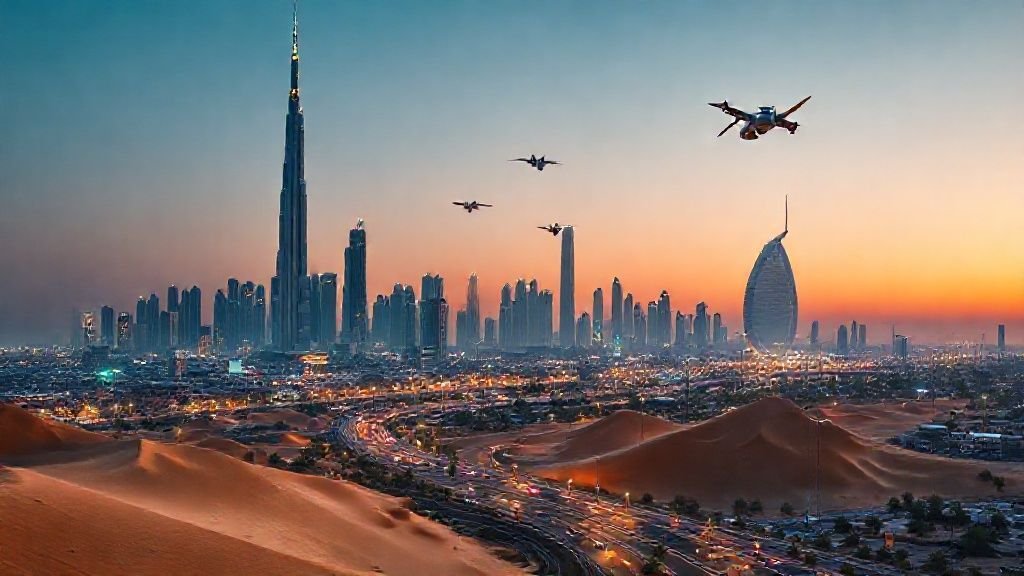
https://explore-dubai.com/wp-content/uploads/2025/11/ultrarealistic-panoramic-view-of-dubais-skyline-at-dusk-featuring-the-towering-burj-khalifa-and-t-1000x576.jpg&description=Dubai’s Tech Revolution: How Smart Cities, AI, and Blockchain Are Shaping Tomorrow', 'pinterestShare', 'width=750,height=350'); return false;" title="Pin This Post">
- Share
- Tweet /home/u134898463/domains/explore-dubai.com/public_html/wp-content/plugins/mvp-social-buttons/mvp-social-buttons.php on line 72
https://explore-dubai.com/wp-content/uploads/2025/11/ultrarealistic-panoramic-view-of-dubais-skyline-at-dusk-featuring-the-towering-burj-khalifa-and-t-1000x576.jpg&description=Dubai’s Tech Revolution: How Smart Cities, AI, and Blockchain Are Shaping Tomorrow', 'pinterestShare', 'width=750,height=350'); return false;" title="Pin This Post">
Why Dubai Is Pioneering the Future of Technology
The city that once stood on the edge of an arid desert has turned into a shining example of what modern technology can do for urban life. With its soaring skyscrapers, electric roads, and high‑speed internet, Dubai is not just chasing a trend – it is setting a new standard for cities around the world. The blend of artificial intelligence, blockchain, and smart‑city infrastructure is turning everyday experiences into seamless, data‑driven adventures.
What makes Dubai stand out is that no single technology is at the center. Instead, the city’s blueprint is built on many layers – from the smart traffic lights that reduce congestion to the AI chatbots that guide visitors around the city. Blockchain, meanwhile, is quietly ensuring security and transparency in government transactions and real‑estate deals. All these pieces combine to create a living, breathing ecosystem where technology is part of the daily rhythm.
As we look ahead, the question is not whether Dubai will keep up, but how it can keep evolving. By extracting lessons from its current initiatives, we can see the next wave of innovations that will shape the metropolis for the next decade.
Smart City Infrastructure: From Roads to Rooftop Gardens
Dubai’s success with “smart city” concepts started with its traffic management system. Sensors embedded in every lane feed data to a central hub that predicts congestion patterns. The result? Near‑instant rerouting recommendations for drivers and autonomous buses that adjust their routes on the fly. It’s a small but powerful glimpse of how data can make city life more fluid.
Shared micro‑mobility is another key player. City‑sponsored electric scooters and bikes are available across the entire area, and the company that runs them uses real‑time analytics to decide where to drop off new inventory. This reduces parking waste and improves accessibility for pedestrians and tourists alike.
While cars and bikes are the most visible parts of the system, the city’s network of sensors extends into the air, water, and even the ground. Sensors in parks monitor air quality and green coverage, feeding data back to a municipal dashboard that guides planting schedules. Sensors in the underground water pipes detect leaks early, saving huge amounts of water and reducing the cost to residents.
Case Study: The Desert to Green Oasis Project
- Goal: Turn arid desert zones into lush, sustainable green spaces.
- Method: Drone‑based watering systems controlled by AI that analyze soil moisture, weather forecasts, and plant health.
- Result: A 15% decrease in water usage and a 40% increase in biodiversity in the targeted area.
Artificial Intelligence: From Service Robots to Safer Airports
Artificial intelligence is at the heart of many of Dubai’s public and private services. In hospitals, AI algorithms scan medical images to detect early signs of disease, allowing doctors to intervene before symptoms become severe. In restaurants, AI recipes match individual taste preferences with up‑to‑date nutrition data.
Airports use AI for everything from baggage handling to passenger flow analytics. During peak seasons, the system can adjust gate assignments and boarding gates in real time, reducing wait times and improving overall experience. You might even see drones delivering flight tickets and security passes between departure gates, ensuring no one has to carry a paper route map.
Safety is another area where AI shines. Using face‑recognition technology, the Dubai Police can quickly identify missing children and stranded travelers, giving security forces an advantage that would otherwise be impossible.
AI in the Residential Sector
- Smart lighting automatically adjusts brightness based on motion and daylight.
- Home assistants learn daily routines to optimize heating and cooling.
- Real‑time plumbing alerts warn homeowners about leaks before they cause damage.
Blockchain: The Trust Engine for a Modern City
Blockchain is often called the technology that can change the world of finances, but its potential is much broader. In Dubai, the system ensures transparency in voting systems, property registration, and supply chain logistics. By recording each transaction on a public ledger, the city can guarantee that all parties have the same information, reducing fraud and speeding up processes.
Major infrastructure projects, such as the 591‑meter‑high Burj Khalifa, rely on smart contracts to coordinate the many contractors, suppliers, and engineers that bring the building to life. Each contract is encoded on a blockchain, automatically releasing payments after the completion of predefined milestones.
Even the simple act of paying for a cup of coffee can use blockchain to give a tiny reward to the coffee farmer, ensuring that everyone along the chain gets recognized. This fair‑trade model of micro‑transactions is only just beginning to be explored.
Blockchain Examples
- Real‑estate: Property titles posted on a secure ledger.
- Healthcare: Patient data shared with consent across hospitals.
- Supply chain: Tracking goods from factory to consumer.
Digital Services for Citizens and Businesses
Dubai’s “smart hub” concept has moved beyond the skyline and into the digital spaces that citizens use every day. The government’s e‑portal allows citizens to submit visa applications, pay utility bills, and access health records from a single app. The portal’s AI features mean that users receive suggestions on what documents they might need next, speeding up the entire process.
Entrepreneurial firms can tap into a cloud‑based platform that integrates payroll, tax filings, and compliance checks. Start‑ups get instant access to government grants and mentorship programs through the same portal, reducing what would normally take months down to weeks.
These services are not only designed to be efficient; they are also backed by data analytics that help policymakers spot emerging trends, like a spike in green‑tech applications, and respond with targeted incentives.
Technology Adoption Program
- Regional technology hubs receive funding for one‑year incubators.
- Tax exemptions for foreign tech companies investing in local infrastructure.
- Regular hackathon events that allow developers to join forces on city‑wide projects.
Education and Workforce Development: Building a Culture of Innovation
Dubai’s strength in tech also lies in its commitment to nurturing talent. Student programs range from early‑age robotics clubs to university‑level data‑science labs. Partnerships between schools and private companies mean that students work on real projects from day one.
One notable initiative is the “Future‑Ready Labs,” which provide access to AI‑powered analytics tools that teachers use to personalize learning. This ensures every student gets resources that match their learning style and pace.
On the adult level, the city offers free upskilling courses on machine learning, blockchain programming, and cybersecurity. These courses are housed on a cloud platform that allows students to earn certifications and unlock job placement opportunities with local firms.
Industry Collaborations: From Tourism to Healthcare
Dubai does not work in silos. Technology is woven into every industry. Aviation, for example, uses AI for predictive maintenance, ensuring aircraft engines perform with near-zero risk of failure. This data is shared with insurance providers and maintenance teams, cutting costs and improving safety.
The tourism sector uses AR (augmented reality) tours that let visitors smell the rare spices of the old souk or see bilingual overlays on historic landmarks. These experiences enrich the journey and encourage bidders for tourism investment.
Healthcare links are being established with international universities for joint research on AI‑driven diagnostics. Researchers can bring patient data into a secure cloud, preserve privacy, and instantly run cross‑app analyses that cross‑continental teams contribute to in real time.
Future Trends: Quantum Computing, Edge AI, and Beyond
As we move forward, some of the most exciting trends will shift the balance further. Quantum computing could solve complex optimization problems that are currently impossible for classical computers. In particular, urban planners expect quantum algorithms to quickly model traffic flows, predicting congestion more accurately than ever before.
Edge AI, where data processing happens near the source of the data (on small chips inside cars or drones), will reduce latency and protect privacy. This is essential for autonomous driving, where split‑second decisions can determine safety.
Dubai’s planning department is already piloting quantum‑enabled simulations to forecast changes in the city’s power grid, climate resilience, and emergency response. The focus is not just on creating smarter systems but on building systems that adapt continuously and automatically.
How Do You Get Involved?
City residents, entrepreneurs and visitors all can participate by attending hackathons, contributing to open data projects, or simply using the city’s digital services. Whether you’re a data scientist, a designer, or a small business owner, there is a place for you to help shape the next chapter of Dubai’s tech story.
Each effort, no matter how small, reinforces a collective ambition: a city that is as sustainable as it is sophisticated, as inclusive as it is innovative. Dubai’s journey from the desert to an internationally renowned tech hub is still unfolding – and its next milestone could very well be the first truly fully integrated smart city in the world.
For a deeper look at how Dubai’s tech landscape is evolving, you might also find these posts insightful:
Looking for a GCS Crypto Currency Licence and Registration in Dubai?
Welcome to our guide on Crypto currency license in Dubai. At GCS, we specialize in providing top-quality Crypto currency license services to meet your needs.
Why Choose Our Crypto currency license Services?
Our team of experienced professionals understands the importance of quality Crypto currency license in Dubai. We pride ourselves on delivering exceptional results and customer satisfaction.
Our Approach to Crypto currency license
We take a comprehensive approach to Crypto currency license, ensuring that every aspect of our service meets the highest standards. Our process includes:
- Thorough consultation to understand your specific needs
- Customized solutions tailored to your situation
- Ongoing support throughout the process
- Transparent communication at every step
Important Resources
For more information about Crypto currency license, check out these valuable resources:
- Crypto Currency Licence in Dubai
- Dubai Crypto Currency Licence
- Crypto Currency Registration in Dubai
- Dubai Crypto Currency Registration
- GCS Crypto Currency Licence in Dubai
Get Started Today
Ready to experience the difference our Crypto currency license services can make? Contact GCS today to schedule your consultation. Our team is standing by to answer your questions and help you get started on the path to success.
Don’t wait – reach out to us today and discover why so many people in Dubai trust GCS for their Crypto currency license needs.
Best Crypto currency license Services in Dubai
Welcome to our guide on Crypto currency license in Dubai. At GCS, we specialize in providing top-quality Crypto currency license services to meet your needs.
Why Choose Our Crypto currency license Services?
Our team of experienced professionals understands the importance of quality Crypto currency license in Dubai. We pride ourselves on delivering exceptional results and customer satisfaction.
Our Approach to Crypto currency license
We take a comprehensive approach to Crypto currency license, ensuring that every aspect of our service meets the highest standards. Our process includes:
- Thorough consultation to understand your specific needs
- Customized solutions tailored to your situation
- Ongoing support throughout the process
- Transparent communication at every step
Important Resources
For more information about Crypto currency license, check out these valuable resources:
- Crypto Currency Licence in Dubai
- Dubai Crypto Currency Licence
- Crypto Currency Registration in Dubai
- Dubai Crypto Currency Registration
- GCS Crypto Currency Licence in Dubai
Get Started Today
Ready to experience the difference our Crypto currency license services can make? Contact GCS today to schedule your consultation. Our team is standing by to answer your questions and help you get started on the path to success.
Don’t wait – reach out to us today and discover why so many people in Dubai trust GCS for their Crypto currency license needs.
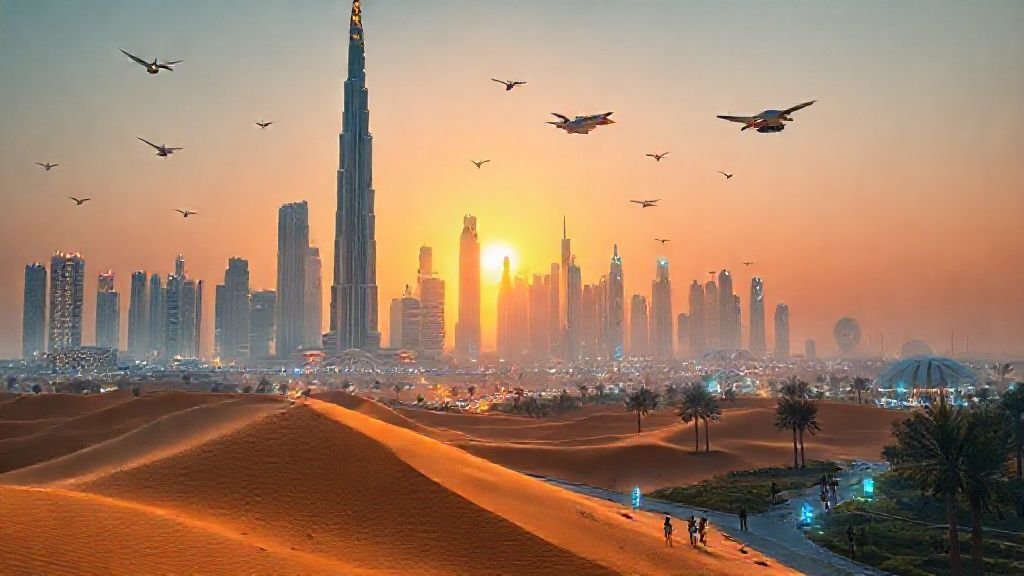
Dubai has always been a city that looks toward the future. From its iconic skyline to its ambitious plans for sustainability, the spirit of innovation is woven into every project. In 2025, the city is stepping into a new era where technology is not just a tool but a living system that powers everyday life, reshaping how residents work, travel, shop and connect.
1. The Birth of a Smart City
When most people think of a smart city, images of connected traffic lights, billboards that update in real time, and drones delivering packages come to mind. Dubai’s journey began with the Smart Dubai programme, which set out to create a city where digital services are delivered more efficiently and transparently. The programme’s core goals were:
- Digital identity for citizens and residents.
- Integrated data platform for city services.
- Smart infrastructure that adapts to real‑time needs.
- Encouragement of start‑ups and tech investment.
These pillars laid the groundwork for a city that can react to the needs of its people instantly, making daily life smoother and more rewarding. This foundation also helped launch a wave of projects that pushed Dubai ahead of the global curve.
2. Artificial Intelligence Takes the Driver’s Seat
Artificial Intelligence (AI) has become the engine behind many of Dubai’s newest achievements. From predictive policing that helps keep streets safe to AI‑powered logistics that reduce delivery times, the technology is changing every sector.
Transportation and Mobility
The Dubai Metro’s robots now run maintenance checks without human intervention. Autonomous buses navigate the sidewalks, delivering passengers between business districts with minimal delays.
Healthcare Revolution
AI algorithms predict potential health risks based on lifestyle and genetic data, allowing doctors to intervene early. Virtual consultations powered by AI chatbots provide instant medical advice, freeing up specialists for complex cases.
Public Safety and Law Enforcement
Machine‑learning models detect unusual crowd movements and highlight potential security threats before they grow. Law‑enforcement drones patrol the city, ensuring that emergency response is swift and efficient.
By embedding AI into everyday services, Dubai turns its metropolis into a responsive organism that learns and grows with its people.
3. Blockchain: The Invisible Ledger of Modern Life
While blockchain has made headlines in finance, its real power lies in its transparency and security. Dubai has leveraged the technology to create tamper‑proof systems across government, healthcare, and logistics.
One notable example is the Digital Health Pass—an immutable record that tracks vaccination, medical history, and health alerts. Similarly, property transactions are recorded on a blockchain, cutting down paperwork and fraud while speeding up closing times.
These applications not only add value for the government but also provide a sense of trust for residents and investors alike.
4. The Architecture of Tomorrow: Smart Skyscrapers and Infrastructure
Dubai’s skyline is home to more than just office space; it is a living laboratory for sustainable design. Buildings now incorporate:
- Energy Harvesting Windows: Transparent solar panels that provide electricity to the building’s systems.
- Responsive Facades: Skin that adjusts to sunlight and temperature, keeping interiors comfortable while lowering energy usage.
- Water Recycling Systems: On‑site purification that reduces municipal water demand.
These features not only reduce carbon footprints but also lower operational costs, making high‑rise living accessible to a wider audience.
5. Technology Hubs and the Start‑up Ecosystem
The city’s growth is driven partly by its vibrant ecosystem for technology start‑ups. Numerous incubators provide mentorship, financing, and access to venture capital. Key areas of focus include:
- FinTech solutions simplifying banking for the cloud‑native generation.
- EdTech platforms that bring personalized learning to anyone on the move.
- HealthTech that integrates wearable data with AI diagnostics.
- Supply chain technology creating end‑to‑end traceability.
Dubai’s open data initiatives give start‑ups a wealth of information—making it easier to test and scale products that fit the local market and can also export worldwide.
6. The Human Touch: Building Tech Culture
Innovation is only as good as the people behind it. Dubai invests heavily in human capital: from schools teaching coding from kindergarten to higher‑education programmes that put AI and blockchain at the forefront.
Workshops lead residents to create their own mini‑projects, giving them a sense of ownership over the urban digital narrative. These efforts foster a public appetite for technology, ensuring that the next wave of ideas will come from diverse voices.
7. Looking Ahead: What Lies Beyond 2025?
The ambition never stops. While 2025 has delivered massive strides, the sights are now set on a more interconnected yet sustainable system.
- Zero‑carbon buildings enabled by nanomaterials.
- Hyper‑fast transport links into the desert, turning islands into bustling hubs.
- Advanced AI that helps residents live healthier lifestyles by predicting needs.
- Fully autonomous commercial districts where order and efficiency thrive.
These future projects are based on data collected in real time, meaning the city can adapt quickly to changing aspirations.
Dubai’s transformation demonstrates how creating a digital ecosystem, backed by supportive policy, can accelerate progress for all residents and set a global example for future city planning.
Want to read more about how Dubai is turning skyscrapers into AI hubs? Explore our story on skyscraper AI transformation.
Curious how the city’s smart system uses AI and blockchain to improve everyday life? Dive into the pulse of Dubai’s tech evolution.
Still wondering how visionary dreams turned into a reality of smart cities and AI? Discover the journey of Dubai’s tech pulse.


Looking for a GCS Crypto Currency Licence and Registration in Dubai?

Best Crypto currency license Services in Dubai

Dubai 2025: The Tech Revolution Unveiled – From Smart Cities to AI‑Driven Innovation

Top 10 Highest-Paying Jobs in Dubai for 2024-25

How Much Does It Cost to Open a Company in Dubai in 2024?

Top 10 Business Opportunities in Dubai for 2024-2025
-

 Business2 years ago
Top 10 Highest-Paying Jobs in Dubai for 2024-25
-
Business2 years ago
How Much Does It Cost to Open a Company in Dubai in 2024?
-
Business2 years ago
Top 10 Business Opportunities in Dubai for 2024-2025
-
Business2 years ago
Best upcoming exhibitions and trade shows in Dubai, 2024
-
Blog2 years ago
Places to Visit in Ras Al Khaimah
-
Sports2 years ago
Top 5 Upcoming International Sporting Events in Dubai (2024-2025)
-
Latest7 months ago
Dubai Golden Visa 2025: Everything You Need to Know About Eligibility, Benefits and Application Process
-
Business2 years ago
Top 5 Networking Events for Businesses in Dubai in 2024