Blog
Dubai’s Tech Revolution: How the City Is Building Tomorrow Today

- /home/u134898463/domains/explore-dubai.com/public_html/wp-content/plugins/mvp-social-buttons/mvp-social-buttons.php on line 27
https://explore-dubai.com/wp-content/uploads/2025/11/a-bustling-dubai-skyline-at-dusk-featuring-the-burj-khalifa-illuminated-and-surrounded-by-other-ult-1000x576.jpg&description=Dubai’s Tech Revolution: How the City Is Building Tomorrow Today', 'pinterestShare', 'width=750,height=350'); return false;" title="Pin This Post">
- Share
- Tweet /home/u134898463/domains/explore-dubai.com/public_html/wp-content/plugins/mvp-social-buttons/mvp-social-buttons.php on line 72
https://explore-dubai.com/wp-content/uploads/2025/11/a-bustling-dubai-skyline-at-dusk-featuring-the-burj-khalifa-illuminated-and-surrounded-by-other-ult-1000x576.jpg&description=Dubai’s Tech Revolution: How the City Is Building Tomorrow Today', 'pinterestShare', 'width=750,height=350'); return false;" title="Pin This Post">
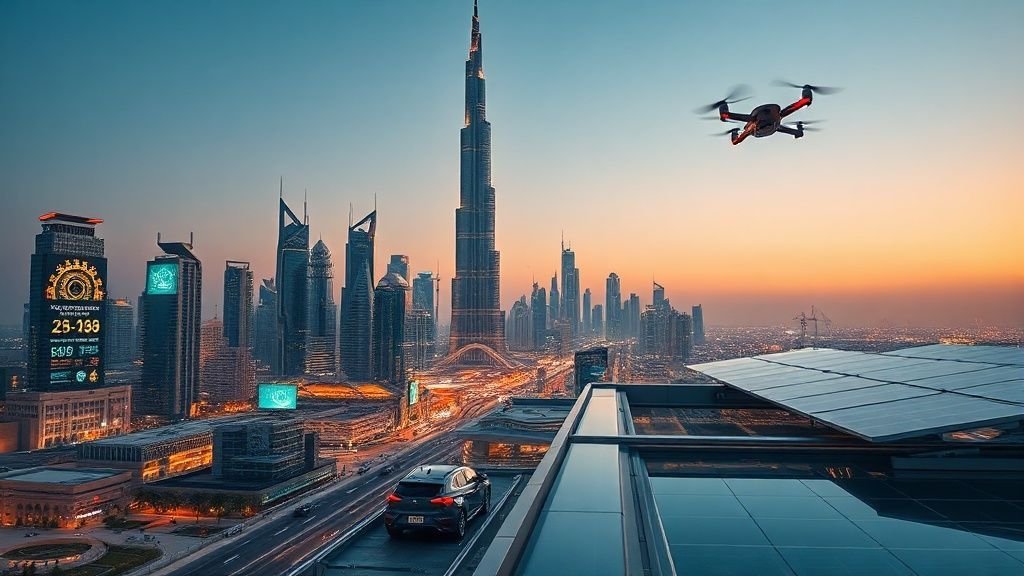
Dubai has turned its skyline into a living laboratory for the innovations that will shape the next decade. From autonomous public transport corridors to city‑wide data hubs, the emirate is redefining what it means for a metropolis to be truly smart. In this post we’ll explore how the city’s ambition is turning ideas into everyday reality, spotlighting the trends that matter most to residents, investors, and tech enthusiasts alike.
1. The Smart City Blueprint: Infrastructure That Thinks for Itself
When you stroll through downtown, you’ll notice a quiet hum of connectivity. That hum isn’t just Wi‑Fi; it’s the backbone of Dubai’s Smart City Initiative. Sensors embedded in power lines, traffic lights, and even building facades collect data in real time, letting city planners spot congestion, power spikes, or water leaks before they turn into problems.
Central to this system is the Dubai Data Interconnection Platform (DDIP). It fuses information from thousands of sources—municipal services, private utilities, and the emergency services network—into a single stream that operators can scrape or analyse on the fly. The result is a fluid ecosystem where every component can both send and receive data, creating a loop of improvement that speeds up by the day.
For residents, this means fewer outages, smoother commutes, and a more responsive local government. For businesses, it unlocks efficiencies that were once considered science fiction. Consider a logistics firm that can reroute trucks in a split second if a construction site opens an unexpected lane, saving fuel and time.
Because these systems rely on real‑time data, they must be secure. Dubai has responded by embedding privacy‑by‑design principles into each layer of its architecture. Strong encryption, role‑based access controls, and continuous auditing help protect citizens while still allowing city services to function at peak performance.
2. Artificial Intelligence: From Data to Decision‑Making
Once you have a sea of data, the next step is making sense of it. Dubai’s tech sector has embraced AI as both the engine and the driver. Machine learning algorithms can predict traffic patterns, forecast water demand, and even help the police prevent crime by spotting emerging hotspots.
One striking example is the heart of the Dubai Police’s predictive policing tool. By analysing crime reports, traffic flows, and social media chatter, the system can identify potential hotspots a day before they materialise. Security units are then deployed preemptively, often preventing the accidents from arising in the first place.
Similarly, in the energy domain, deep learning models optimise power grid distribution. Instead of a fixed schedule, the grid dynamically adjusts based on weather forecasts and consumption patterns. This agility not only reduces costs but also lowers emissions by making better use of renewable sources.
Startups across the city are calling AI their calling card. From healthcare analytics platforms that predict patient risk profiles to fintech apps that personalise credit scores, AI is helping businesses jump from mediocre to exceptional performance. In fact, Dubai’s Government has launched a nationwide “AI for Good” programme, encouraging developers to create solutions that improve public services, job creation, and sustainability.
Dubai’s AI labs are also Linking Infrastructural Data. By merging data from building sensors, street lights, and public transit, AI can optimise the city’s lighting schedule, reducing energy waste by up to 15 %. This not only saves money but also decreases light pollution, allowing city dwellers to enjoy clearer night skies.
3. Blockchain: Trust, Transparency, and Finance
While AI feeds insight, blockchain offers the trust layer. Dubai’s regulatory landscape has been intentionally forward‑thinking, allowing pilots that test the viability of decentralised ledgers before scaling them up. The emirate’s Vision 2021 blueprint invests heavily in this area, recognising blockchain’s potential to improve everything from land registries to supply chains.
The Dubai Land Department is one of the first government bodies to trial a blockchain‑based property transaction system. By embedding property data onto a distributed ledger, the process moves from paper to a single digital record, cutting down on administrative friction and eliminating fraud risks.
Another landmark is the Dubai Digital Finance Laboratory, a sandbox that lets fintech firms test crypto‑based payment solutions under a regulatory light. By giving these firms a safe environment, Dubai attracts global talent that would otherwise risk reputational damage by operating in uncertain jurisdictions.
Blockchain isn’t just for finance. In the public sector, smart contracts are automating everything from waste collection contracts to vendors’ performance metrics. Contractors know exactly when they will get paid, and municipalities can enforce penalties in real time if agreed parameters aren’t met. This level of certainty fosters transparency, reduces corruption, and speeds up projects.
4. The Startup Ecosystem: From Paris to the Floor
Dubai’s tech scene isn’t just about infrastructure; it’s also about people. The city hosts a thriving community of founders, engineers, and designers who pull resources from the Middle East to Europe, North America, and Asia. A stacked ecosystem of accelerators—such as TechnoLab and Dubai Silicon Oasis—offers seed funding, mentorship, and office space on a side‑by‑side basis.
The pace of creation is reflected in the growth of the Dubai tech landscape report, which highlights the speed and breadth of new startups. With 700+ companies launched in 2023 alone, the city is solidifying its reputation as an innovation hub that offers more than just capital. It provides a culture that celebrates risk and iterative learning.
Networking events run around the clock across city districts. From hackathons in Dubai Media City to informal meetups in Jumeirah, developers share code, pitch prototypes, and negotiate partnerships. These interactions strengthen local talent and encourage crossing of ideas—an essential ingredient for growth in a fast‑moving tech sector.
5. Digital Infrastructure: 5G, Edge Computing, and the Future Layer
Dubai’s tech drive is underpinned by a state‑of‑the‑art infrastructure that delivers ultra‑fast connectivity everywhere. The emirate’s 5G rollout is completed in 40% of residential buildings and provides a reliable channel for IoT devices. That means a person can control street lights from a smartphone or a vehicle can stream real‑time video to a data center with milliseconds of latency.
Edge computing nodes strategically embedded across the city harvest data close to the source. Instead of sending raw information to distant data centers, these nodes process and filter it locally, reducing bandwidth usage and augmenting real‑time responsiveness. The PepsiCo test lab in Dubai, for example, can analyse consumer flows in a mall in real time and make adaptive changes, such as turning up the music when crowds grow too dense.
Adding to this is the Crypto‑based Distributed Ledger Network, through which trust is made transparent. By linking edge nodes to a shared ledger, data tampering becomes impossible, critical for applications that rely on immutable records, such as supply chain integrity or public health tracking.
6. Emerging Trends and What They Mean for 2025
Below are the three most promising trends to watch in Dubai’s tech arena as we head toward 2025:
- AI‑aided Healthcare: AI tools are already aiding doctors in diagnosing rare diseases. Predictive analytics is transforming emergency response, where a city‑wide dashboard can identify hospitals that are most likely to experience a surge based on weather, traffic, and disease patterns.
- Green Tech & Zero‑Carbon Cities: Dubai is investing heavily in solar farms, electric mobility infrastructure, and carbon‑offset projects. By integrating smart grids with renewable power sources, the city aims to power 50% of its districts green by 2030.
- Cross‑Sector Collaboration Platforms: Blockchain, AI, and IoT are convergence points where multiple industry verticals can meet. A common open API layer allows developers from finance to energy to create shared marketplace models, enhancing efficiency across the board.
Linking to Further Reading
Want to dive deeper? Check out these related posts:
- Dubai’s Tech Transformation: From Smart Cities to AI‑Driven Innovation
- Dubai’s Tech Renaissance: AI, Blockchain, and Beyond
7. What You Can Do Today
If you’re an entrepreneur looking to launch a tech company in Dubai, you might consider the following steps:
- Identify a Niche – Look for problems that are already flagged by city data. Hotspots for traffic or energy waste can indicate market gaps.
- Leverage Public Initiatives – Participate in government-led hackathons or demo days to showcase your solution and secure potential funding.
- Build on Open Platforms – Use Dubai’s open data portals to feed your AI models or create blockchain compliant services.
- Validate Early – Start with a minimal viable product that can be tested with a small user base before scaling.
- Collaborate with the Ecosystem – Join local accelerators, attend conferences, and network with investors who understand the regulatory landscape.
For developers, understanding data privacy norms and working with local data sources opens doors to large-scale deployment. Whether you’re a freelancer, a back‑office manager, or a CTO, aligning your skills with Dubai’s tech agenda can create unique career advantages.
Conclusion: Tomorrow is Built Today
Dubai’s journey from a desert trading port to a global tech hub is a testament to the power of vision turned into actionable infrastructure. The smart city framework, AI analytics, and blockchain safeguards combine to create a unified ecosystem that is efficient, transparent, and forward‑leaning.
For residents, the everyday isn’t just about convenience; it’s about living smarter. For businesses, the city’s support structures reduce friction and open new revenue channels. And for the tech community, there’s an opportunity to shape something that goes beyond a single product—it’s about building a city that runs itself, protects its citizens, and delivers a higher quality of life.
As Dubai looks ahead to 2025 and beyond, one thing becomes clear: the city’s tech revolution is in full swing, and the next wave of innovation is ready to be claimed. Whether you’re a user, a developer, or an investor, staying informed and engaged will let you ride the wave of change.
Looking for a GCS Crypto Currency Licence and Registration in Dubai?
Welcome to our guide on Crypto currency license in Dubai. At GCS, we specialize in providing top-quality Crypto currency license services to meet your needs.
Why Choose Our Crypto currency license Services?
Our team of experienced professionals understands the importance of quality Crypto currency license in Dubai. We pride ourselves on delivering exceptional results and customer satisfaction.
Our Approach to Crypto currency license
We take a comprehensive approach to Crypto currency license, ensuring that every aspect of our service meets the highest standards. Our process includes:
- Thorough consultation to understand your specific needs
- Customized solutions tailored to your situation
- Ongoing support throughout the process
- Transparent communication at every step
Important Resources
For more information about Crypto currency license, check out these valuable resources:
- Crypto Currency Licence in Dubai
- Dubai Crypto Currency Licence
- Crypto Currency Registration in Dubai
- Dubai Crypto Currency Registration
- GCS Crypto Currency Licence in Dubai
Get Started Today
Ready to experience the difference our Crypto currency license services can make? Contact GCS today to schedule your consultation. Our team is standing by to answer your questions and help you get started on the path to success.
Don’t wait – reach out to us today and discover why so many people in Dubai trust GCS for their Crypto currency license needs.
Best Crypto currency license Services in Dubai
Welcome to our guide on Crypto currency license in Dubai. At GCS, we specialize in providing top-quality Crypto currency license services to meet your needs.
Why Choose Our Crypto currency license Services?
Our team of experienced professionals understands the importance of quality Crypto currency license in Dubai. We pride ourselves on delivering exceptional results and customer satisfaction.
Our Approach to Crypto currency license
We take a comprehensive approach to Crypto currency license, ensuring that every aspect of our service meets the highest standards. Our process includes:
- Thorough consultation to understand your specific needs
- Customized solutions tailored to your situation
- Ongoing support throughout the process
- Transparent communication at every step
Important Resources
For more information about Crypto currency license, check out these valuable resources:
- Crypto Currency Licence in Dubai
- Dubai Crypto Currency Licence
- Crypto Currency Registration in Dubai
- Dubai Crypto Currency Registration
- GCS Crypto Currency Licence in Dubai
Get Started Today
Ready to experience the difference our Crypto currency license services can make? Contact GCS today to schedule your consultation. Our team is standing by to answer your questions and help you get started on the path to success.
Don’t wait – reach out to us today and discover why so many people in Dubai trust GCS for their Crypto currency license needs.
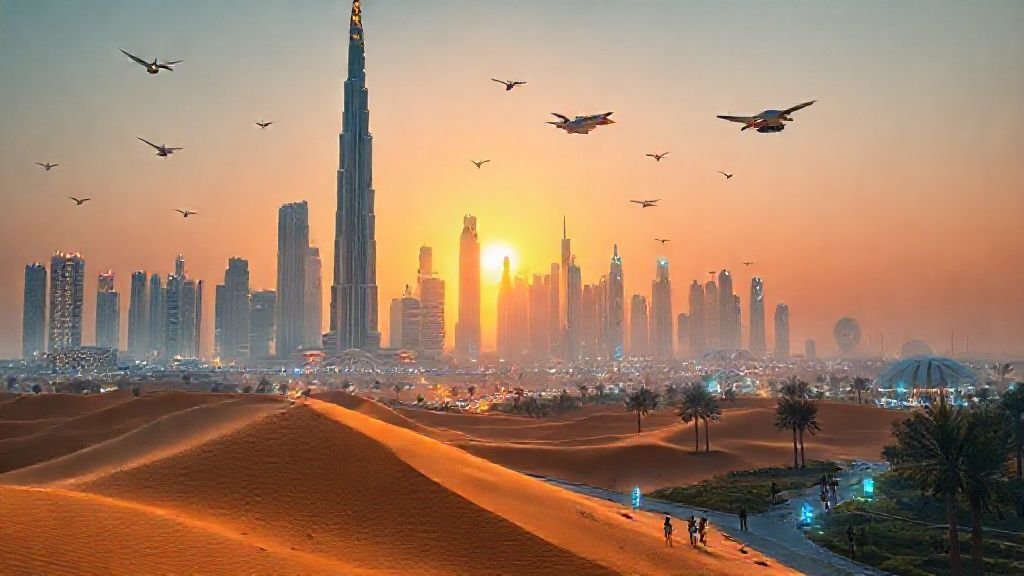
Dubai has always been a city that looks toward the future. From its iconic skyline to its ambitious plans for sustainability, the spirit of innovation is woven into every project. In 2025, the city is stepping into a new era where technology is not just a tool but a living system that powers everyday life, reshaping how residents work, travel, shop and connect.
1. The Birth of a Smart City
When most people think of a smart city, images of connected traffic lights, billboards that update in real time, and drones delivering packages come to mind. Dubai’s journey began with the Smart Dubai programme, which set out to create a city where digital services are delivered more efficiently and transparently. The programme’s core goals were:
- Digital identity for citizens and residents.
- Integrated data platform for city services.
- Smart infrastructure that adapts to real‑time needs.
- Encouragement of start‑ups and tech investment.
These pillars laid the groundwork for a city that can react to the needs of its people instantly, making daily life smoother and more rewarding. This foundation also helped launch a wave of projects that pushed Dubai ahead of the global curve.
2. Artificial Intelligence Takes the Driver’s Seat
Artificial Intelligence (AI) has become the engine behind many of Dubai’s newest achievements. From predictive policing that helps keep streets safe to AI‑powered logistics that reduce delivery times, the technology is changing every sector.
Transportation and Mobility
The Dubai Metro’s robots now run maintenance checks without human intervention. Autonomous buses navigate the sidewalks, delivering passengers between business districts with minimal delays.
Healthcare Revolution
AI algorithms predict potential health risks based on lifestyle and genetic data, allowing doctors to intervene early. Virtual consultations powered by AI chatbots provide instant medical advice, freeing up specialists for complex cases.
Public Safety and Law Enforcement
Machine‑learning models detect unusual crowd movements and highlight potential security threats before they grow. Law‑enforcement drones patrol the city, ensuring that emergency response is swift and efficient.
By embedding AI into everyday services, Dubai turns its metropolis into a responsive organism that learns and grows with its people.
3. Blockchain: The Invisible Ledger of Modern Life
While blockchain has made headlines in finance, its real power lies in its transparency and security. Dubai has leveraged the technology to create tamper‑proof systems across government, healthcare, and logistics.
One notable example is the Digital Health Pass—an immutable record that tracks vaccination, medical history, and health alerts. Similarly, property transactions are recorded on a blockchain, cutting down paperwork and fraud while speeding up closing times.
These applications not only add value for the government but also provide a sense of trust for residents and investors alike.
4. The Architecture of Tomorrow: Smart Skyscrapers and Infrastructure
Dubai’s skyline is home to more than just office space; it is a living laboratory for sustainable design. Buildings now incorporate:
- Energy Harvesting Windows: Transparent solar panels that provide electricity to the building’s systems.
- Responsive Facades: Skin that adjusts to sunlight and temperature, keeping interiors comfortable while lowering energy usage.
- Water Recycling Systems: On‑site purification that reduces municipal water demand.
These features not only reduce carbon footprints but also lower operational costs, making high‑rise living accessible to a wider audience.
5. Technology Hubs and the Start‑up Ecosystem
The city’s growth is driven partly by its vibrant ecosystem for technology start‑ups. Numerous incubators provide mentorship, financing, and access to venture capital. Key areas of focus include:
- FinTech solutions simplifying banking for the cloud‑native generation.
- EdTech platforms that bring personalized learning to anyone on the move.
- HealthTech that integrates wearable data with AI diagnostics.
- Supply chain technology creating end‑to‑end traceability.
Dubai’s open data initiatives give start‑ups a wealth of information—making it easier to test and scale products that fit the local market and can also export worldwide.
6. The Human Touch: Building Tech Culture
Innovation is only as good as the people behind it. Dubai invests heavily in human capital: from schools teaching coding from kindergarten to higher‑education programmes that put AI and blockchain at the forefront.
Workshops lead residents to create their own mini‑projects, giving them a sense of ownership over the urban digital narrative. These efforts foster a public appetite for technology, ensuring that the next wave of ideas will come from diverse voices.
7. Looking Ahead: What Lies Beyond 2025?
The ambition never stops. While 2025 has delivered massive strides, the sights are now set on a more interconnected yet sustainable system.
- Zero‑carbon buildings enabled by nanomaterials.
- Hyper‑fast transport links into the desert, turning islands into bustling hubs.
- Advanced AI that helps residents live healthier lifestyles by predicting needs.
- Fully autonomous commercial districts where order and efficiency thrive.
These future projects are based on data collected in real time, meaning the city can adapt quickly to changing aspirations.
Dubai’s transformation demonstrates how creating a digital ecosystem, backed by supportive policy, can accelerate progress for all residents and set a global example for future city planning.
Want to read more about how Dubai is turning skyscrapers into AI hubs? Explore our story on skyscraper AI transformation.
Curious how the city’s smart system uses AI and blockchain to improve everyday life? Dive into the pulse of Dubai’s tech evolution.
Still wondering how visionary dreams turned into a reality of smart cities and AI? Discover the journey of Dubai’s tech pulse.


Looking for a GCS Crypto Currency Licence and Registration in Dubai?

Best Crypto currency license Services in Dubai

Dubai 2025: The Tech Revolution Unveiled – From Smart Cities to AI‑Driven Innovation

Top 10 Highest-Paying Jobs in Dubai for 2024-25

How Much Does It Cost to Open a Company in Dubai in 2024?

Top 10 Business Opportunities in Dubai for 2024-2025
-

 Business2 years ago
Top 10 Highest-Paying Jobs in Dubai for 2024-25
-
Business2 years ago
How Much Does It Cost to Open a Company in Dubai in 2024?
-
Business2 years ago
Top 10 Business Opportunities in Dubai for 2024-2025
-
Business2 years ago
Best upcoming exhibitions and trade shows in Dubai, 2024
-
Blog2 years ago
Places to Visit in Ras Al Khaimah
-
Sports2 years ago
Top 5 Upcoming International Sporting Events in Dubai (2024-2025)
-
Latest7 months ago
Dubai Golden Visa 2025: Everything You Need to Know About Eligibility, Benefits and Application Process
-
Business2 years ago
Top 5 Networking Events for Businesses in Dubai in 2024