Blog
Dubai’s Tech Revolution: What’s Driving Innovation in 2025

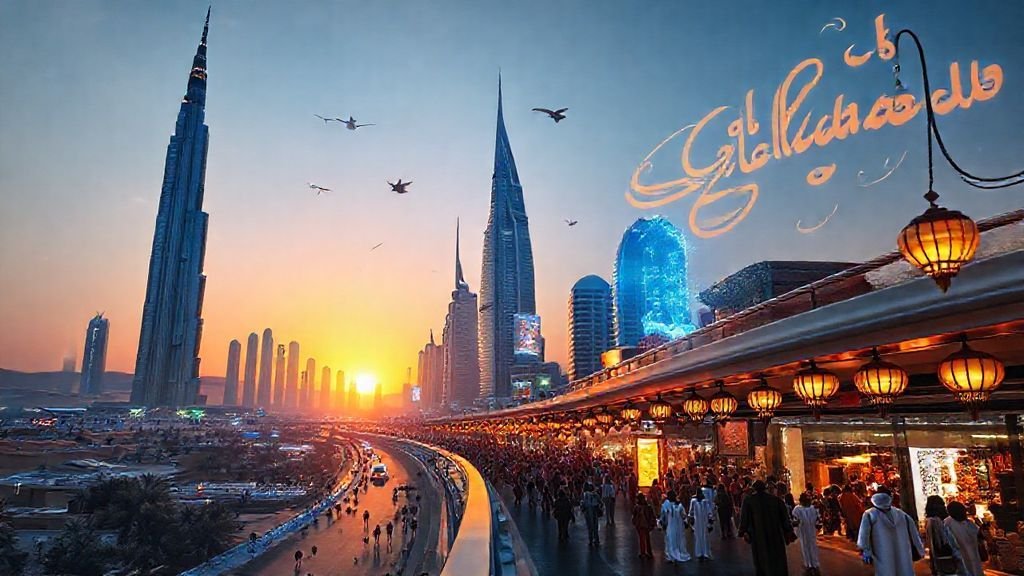
- /home/u134898463/domains/explore-dubai.com/public_html/wp-content/plugins/mvp-social-buttons/mvp-social-buttons.php on line 27
https://explore-dubai.com/wp-content/uploads/2025/10/dubai-skyline-at-sunrise-the-burj-khalifa-and-burj-al-arab-gleaming-with-reflective-glass-sleek-ul-1000x576.jpg&description=Dubai’s Tech Revolution: What’s Driving Innovation in 2025', 'pinterestShare', 'width=750,height=350'); return false;" title="Pin This Post">
- Share
- Tweet /home/u134898463/domains/explore-dubai.com/public_html/wp-content/plugins/mvp-social-buttons/mvp-social-buttons.php on line 72
https://explore-dubai.com/wp-content/uploads/2025/10/dubai-skyline-at-sunrise-the-burj-khalifa-and-burj-al-arab-gleaming-with-reflective-glass-sleek-ul-1000x576.jpg&description=Dubai’s Tech Revolution: What’s Driving Innovation in 2025', 'pinterestShare', 'width=750,height=350'); return false;" title="Pin This Post">
Dubai has long been known for its bold architecture and luxury lifestyle, but by 2025 it is also surfacing as a global hub for technology and smart city innovation. The city’s strategy blends public investment, private entrepreneurship, and regulatory flexibility to build a future that is not only connected but also responsive to the needs of its residents and businesses. In this post we break down the key forces shaping Dubai’s tech scene, look at the major projects underway, and explore how you can tap into this growing ecosystem.
1. A Visionary Smart‑City Blueprint
Dubai’s planners launched the Smart City initiative in the early 2020s as a roadmap for technology adoption across infrastructure, transportation and civic services. The master plan hinges on three pillars: digital connectivity, data‑driven decision making, and sustainable growth. The city now boasts an ultra‑fast 5G network that covers every major avenue and neighbourhood, providing the bandwidth needed for autonomous vehicles, virtual reality tours, and real‑time energy monitoring.
Data centres in Dubai are expanding fast. With the help of the Dubai Data Strategy, the emirate has opened a closed‑loop system for municipal data that allows businesses to request traffic, pollution and utility statistics in seconds. This ecosystem lets startup teams build solutions that optimise delivery routes, reduce energy usage and enhance public safety.
One example of this digital vision in action is Dubai’s Global City Exchange, which uses predictive analytics to recommend adjustments to public lighting in different districts, cutting municipal costs while keeping streets safe. The result is a city that feels more responsive and greener than any other coastal metropolis.
2. Digital Twins Pave the Way for Smarter Planning
The concept of a digital twin—an exact virtual replica of a physical environment—has moved beyond science fiction in Dubai. The Metropolitan Digital Twin platform overlays satellite data, IoT sensor inputs and real‑time traffic feeds onto a 3D model of the city. Urban planners can experiment with road layouts, green‑space allocation and even zoning changes before they touch the ground.
Because the twin runs on cloud infrastructure, developers can access a secure API to plug in their own analytics or machine‑learning models. An incubated startup recently created a tool that stitches weather, social‑media sentiment and market data to predict real‑estate demand. The platform’s open‑source layers encourage collaboration between government, academia and private companies, fostering a culture of shared innovation.
Digital twins also help Dubai tackle future challenges like rising sea levels and extreme heat. By modelling different climate scenarios, city officials can design flood‑resistant infrastructure, evaluate the impact of new building regulations, and track the effectiveness of existing heat‑mitigation measures.
3. Accelerators and Angels Fuel a Robust Startup Ecosystem
Dubai’s venture capital scene has grown from a handful of niche funds to a diversified network that includes sovereign investment banks, regional accelerators and equatorial angel groups. The Dubai Future Accelerators (DFA) programme brings a selected cohort of startups into the public‑private partnership, pairing them with mentors from industry leaders such as Emirates Airlines and Saudi Aramco.
Startups enjoy a rare mix of an open data policy, tax incentives and a relaxed licensing process that reduces the usual 45‑day approval timeline to just 15 days for tech‑focused projects. This low‑barrier entry encourages entrepreneurs from across the Middle East to come to Dubai for pilots, pilots for pilots.
Government funds like the Dubai Innovation Council actively offer seed grants to prototypes that address national priorities such as health diagnostics, logistics and renewable energy. This proactive funding model has produced successful exits like the AI‑driven diagnostics platform that secured a partnership with the Dubai Health Authority.
4. Blockchain, FinTech and the Crypto Culture of Dubai
Dubai’s regulatory framework for blockchain and cryptocurrency has become a benchmark for other emirates. The government set up a sandbox that allows fintech firms to test cryptocurrency exchanges, asset‑tokenisation platforms and digital‑wallet apps under a reduced compliance regime. This sandbox has turned the city into an attractor for crypto‑asset entrepreneurs seeking a welcoming environment for innovation.
The Dubai International Financial Centre (DIFC) hosts a dedicated FinTech hub that provides space, legal support and access to capital for start‑ups focused on payment processing, anti‑money‑laundering technology, and digital‑asset custody. A notable success story is the platform that tokenises real‑estate assets, enabling fractional ownership and streamlining transfer processes on a blockchain layer.
Beyond Dubai, neighboring markets are adopting similar licensing models, thanks in part to the UAE’s certification of a digital‑identity framework that supports secure transaction workflows. The result is a region where fin‑tech companies can choose Dubai as a launchpad and expand smoothly into the Gulf.
5. Smart Governance and Data Sharing Initiatives
Dubai’s open data strategy encourages public bodies to release non‑confidential data sets to the community. This open‑access approach has created thousands of opportunities for bespoke dashboards, predictive tools and machine‑learning projects that help citizens and businesses. The city’s API portal gives developers a simple interface to retrieve data on air quality, traffic, crime and municipal services.
One industry‑partner project uses the open data API to produce a “Smart Parking” solution that predicts slot availability for drivers in real time. In the housing market, data on utility consumption is combined with demographic information to power predictive analytics that inform future urban developments.
Governance has also embraced the concept of “participatory budgeting” where residents can vote on which public projects should receive the most funding. The voting system is driven by an app that uses blockchain to ensure the process is tamper‑proof, transparent, and credible. The result is a city where citizens feel heard and data becomes a tool for collective decision making.
6. Upskilling the Workforce for an AI‑First Future
Dubai’s educational institutions, from universities to vocational schools, have teamed up to redesign curriculums that align with the emerging tech needs. New robotics labs, coding bootcamps and AI ethics workshops now run in partnership with local tech giants and import‑export subsidiaries. The Dubai Future Accelerators offers a free AI‑specialization track for early‑career professionals that covers everything from deep‑learning libraries to ethical model governance.
To meet the demand for technical expertise, the city launched a “Tech Hero” initiative that rewards high‑value employees with additional tuition, certifications and upskilling credits. This approach helps retain talent within the emirate and lessens the brain‑drain that has plagued many Middle‑East economies.
Alongside these formal programs is a growing gig‑economy platform specifically for tech professionals, enabling freelancers to find short‑term consulting projects in urban planning, data science, and blockchain integration. The gig network therefore helps small businesses tap into high‑skill resources without long‑term financial commitments.
7. Digital Health and Smart Hospitals Inspired by the City’s AI Edge
The UAE’s Ministry of Health and Prevention launched the “Healthy Lives” digital health initiative, which uses AI to streamline patient triage, predict disease outbreaks and personalize treatment plans. Dubai’s leading hospitals run pilot projects that integrate AI chat‑bots for patient queries, automated imaging diagnostics powered by deep‑learning, and robotic surgery assistants.
One standout laboratory in Dubai uses wearable sensors to track real‑time health metrics, feeding the data into an AI dashboard that alerts clinicians to early signs of hypertension or diabetes. The hospital’s collaborative partnership with a local university allows the research team to develop new predictive algorithms that are then deployed across the MENA region.
With the addition of a national digital health passport, patients can carry all medical records in an encrypted format on their smartphones. This paper‑free approach reduces administrative overhead and improves the speed of care—for example, a quick check‑in process that lets a patient enter a clinic in under two minutes.
8. Why 2025 is the Turning Point for International Tech Talent
Dubai launched a “Global Talent Visa” that simplifies the residency process for highly skilled workers in tech, science and entrepreneurship. Applicants can obtain sponsorship within weeks, bypassing the traditional work‑permit maze that often deters foreign talent. The visa also offers reduced-to‑none tax on foreign‑source income, making Dubai a competitive alternative to Singapore and Tallinn.
Companies are sharing success stories that highlight the ease of hiring from the Dubai Foreign Talent pool. A multinational engineering firm was able to set up a regional office in just 12 days, thanks to the visa’s fast‑track rollout. That’s a logistical advantage that is hard to match.
The city also invests in cultural programs that ease the transition for newcomers. Community centres offer language classes, parental support groups and networking events—factors that encourage talent to settle and thrive in Dubai.
Conclusion: Dubai’s Technology Trajectory in 2025 and Beyond
Dubai’s technology story is one of deliberate, inclusive growth. The city combines robust infrastructure, forward‑looking regulatory frameworks, and a vibrant startup culture to create a future that’s more connected, resilient and people‑focused. Whether you’re an entrepreneur, a tech professional or a casual explorer, the city offers pathways to contribute to projects that shape a city‑wide ecosystem ranging from AI‑driven city services to blockchain‑based commerce.
Those looking to dive deeper will find useful insights in our Dubai’s Tech Landscape: A Journey Through Innovation and Opportunity post. For a practical look at the infrastructure investment backing this transformation, check out Dubai’s Tech Boom: How the City Is Redefining Tomorrow. And for an overview of the city’s everyday impact, see Dubai’s Digital Pulse: How Technology Is Shaping Tomorrow.
Looking for a GCS Crypto Currency Licence and Registration in Dubai?
Welcome to our guide on Crypto currency license in Dubai. At GCS, we specialize in providing top-quality Crypto currency license services to meet your needs.
Why Choose Our Crypto currency license Services?
Our team of experienced professionals understands the importance of quality Crypto currency license in Dubai. We pride ourselves on delivering exceptional results and customer satisfaction.
Our Approach to Crypto currency license
We take a comprehensive approach to Crypto currency license, ensuring that every aspect of our service meets the highest standards. Our process includes:
- Thorough consultation to understand your specific needs
- Customized solutions tailored to your situation
- Ongoing support throughout the process
- Transparent communication at every step
Important Resources
For more information about Crypto currency license, check out these valuable resources:
- Crypto Currency Licence in Dubai
- Dubai Crypto Currency Licence
- Crypto Currency Registration in Dubai
- Dubai Crypto Currency Registration
- GCS Crypto Currency Licence in Dubai
Get Started Today
Ready to experience the difference our Crypto currency license services can make? Contact GCS today to schedule your consultation. Our team is standing by to answer your questions and help you get started on the path to success.
Don’t wait – reach out to us today and discover why so many people in Dubai trust GCS for their Crypto currency license needs.
Best Crypto currency license Services in Dubai
Welcome to our guide on Crypto currency license in Dubai. At GCS, we specialize in providing top-quality Crypto currency license services to meet your needs.
Why Choose Our Crypto currency license Services?
Our team of experienced professionals understands the importance of quality Crypto currency license in Dubai. We pride ourselves on delivering exceptional results and customer satisfaction.
Our Approach to Crypto currency license
We take a comprehensive approach to Crypto currency license, ensuring that every aspect of our service meets the highest standards. Our process includes:
- Thorough consultation to understand your specific needs
- Customized solutions tailored to your situation
- Ongoing support throughout the process
- Transparent communication at every step
Important Resources
For more information about Crypto currency license, check out these valuable resources:
- Crypto Currency Licence in Dubai
- Dubai Crypto Currency Licence
- Crypto Currency Registration in Dubai
- Dubai Crypto Currency Registration
- GCS Crypto Currency Licence in Dubai
Get Started Today
Ready to experience the difference our Crypto currency license services can make? Contact GCS today to schedule your consultation. Our team is standing by to answer your questions and help you get started on the path to success.
Don’t wait – reach out to us today and discover why so many people in Dubai trust GCS for their Crypto currency license needs.
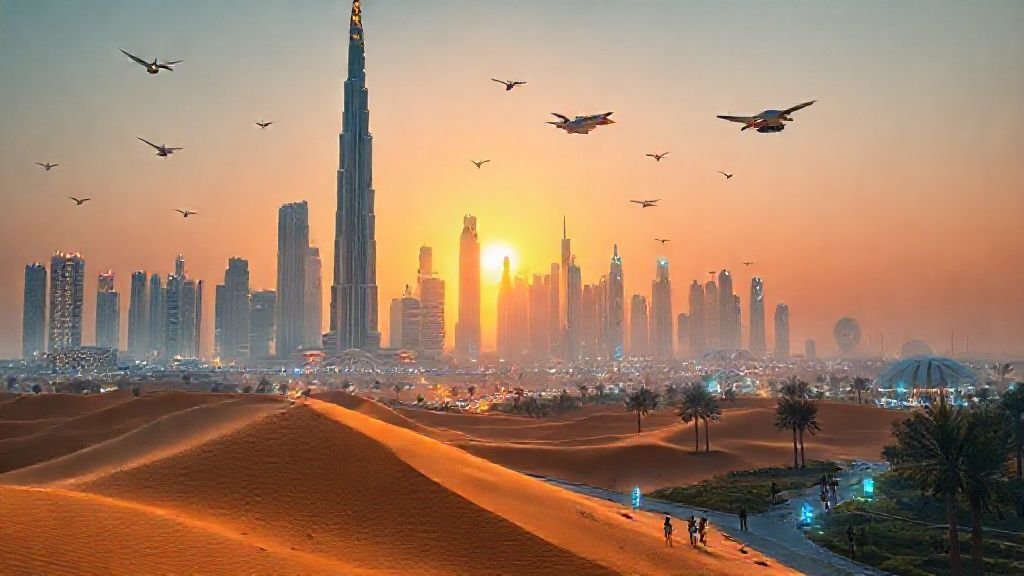
Dubai has always been a city that looks toward the future. From its iconic skyline to its ambitious plans for sustainability, the spirit of innovation is woven into every project. In 2025, the city is stepping into a new era where technology is not just a tool but a living system that powers everyday life, reshaping how residents work, travel, shop and connect.
1. The Birth of a Smart City
When most people think of a smart city, images of connected traffic lights, billboards that update in real time, and drones delivering packages come to mind. Dubai’s journey began with the Smart Dubai programme, which set out to create a city where digital services are delivered more efficiently and transparently. The programme’s core goals were:
- Digital identity for citizens and residents.
- Integrated data platform for city services.
- Smart infrastructure that adapts to real‑time needs.
- Encouragement of start‑ups and tech investment.
These pillars laid the groundwork for a city that can react to the needs of its people instantly, making daily life smoother and more rewarding. This foundation also helped launch a wave of projects that pushed Dubai ahead of the global curve.
2. Artificial Intelligence Takes the Driver’s Seat
Artificial Intelligence (AI) has become the engine behind many of Dubai’s newest achievements. From predictive policing that helps keep streets safe to AI‑powered logistics that reduce delivery times, the technology is changing every sector.
Transportation and Mobility
The Dubai Metro’s robots now run maintenance checks without human intervention. Autonomous buses navigate the sidewalks, delivering passengers between business districts with minimal delays.
Healthcare Revolution
AI algorithms predict potential health risks based on lifestyle and genetic data, allowing doctors to intervene early. Virtual consultations powered by AI chatbots provide instant medical advice, freeing up specialists for complex cases.
Public Safety and Law Enforcement
Machine‑learning models detect unusual crowd movements and highlight potential security threats before they grow. Law‑enforcement drones patrol the city, ensuring that emergency response is swift and efficient.
By embedding AI into everyday services, Dubai turns its metropolis into a responsive organism that learns and grows with its people.
3. Blockchain: The Invisible Ledger of Modern Life
While blockchain has made headlines in finance, its real power lies in its transparency and security. Dubai has leveraged the technology to create tamper‑proof systems across government, healthcare, and logistics.
One notable example is the Digital Health Pass—an immutable record that tracks vaccination, medical history, and health alerts. Similarly, property transactions are recorded on a blockchain, cutting down paperwork and fraud while speeding up closing times.
These applications not only add value for the government but also provide a sense of trust for residents and investors alike.
4. The Architecture of Tomorrow: Smart Skyscrapers and Infrastructure
Dubai’s skyline is home to more than just office space; it is a living laboratory for sustainable design. Buildings now incorporate:
- Energy Harvesting Windows: Transparent solar panels that provide electricity to the building’s systems.
- Responsive Facades: Skin that adjusts to sunlight and temperature, keeping interiors comfortable while lowering energy usage.
- Water Recycling Systems: On‑site purification that reduces municipal water demand.
These features not only reduce carbon footprints but also lower operational costs, making high‑rise living accessible to a wider audience.
5. Technology Hubs and the Start‑up Ecosystem
The city’s growth is driven partly by its vibrant ecosystem for technology start‑ups. Numerous incubators provide mentorship, financing, and access to venture capital. Key areas of focus include:
- FinTech solutions simplifying banking for the cloud‑native generation.
- EdTech platforms that bring personalized learning to anyone on the move.
- HealthTech that integrates wearable data with AI diagnostics.
- Supply chain technology creating end‑to‑end traceability.
Dubai’s open data initiatives give start‑ups a wealth of information—making it easier to test and scale products that fit the local market and can also export worldwide.
6. The Human Touch: Building Tech Culture
Innovation is only as good as the people behind it. Dubai invests heavily in human capital: from schools teaching coding from kindergarten to higher‑education programmes that put AI and blockchain at the forefront.
Workshops lead residents to create their own mini‑projects, giving them a sense of ownership over the urban digital narrative. These efforts foster a public appetite for technology, ensuring that the next wave of ideas will come from diverse voices.
7. Looking Ahead: What Lies Beyond 2025?
The ambition never stops. While 2025 has delivered massive strides, the sights are now set on a more interconnected yet sustainable system.
- Zero‑carbon buildings enabled by nanomaterials.
- Hyper‑fast transport links into the desert, turning islands into bustling hubs.
- Advanced AI that helps residents live healthier lifestyles by predicting needs.
- Fully autonomous commercial districts where order and efficiency thrive.
These future projects are based on data collected in real time, meaning the city can adapt quickly to changing aspirations.
Dubai’s transformation demonstrates how creating a digital ecosystem, backed by supportive policy, can accelerate progress for all residents and set a global example for future city planning.
Want to read more about how Dubai is turning skyscrapers into AI hubs? Explore our story on skyscraper AI transformation.
Curious how the city’s smart system uses AI and blockchain to improve everyday life? Dive into the pulse of Dubai’s tech evolution.
Still wondering how visionary dreams turned into a reality of smart cities and AI? Discover the journey of Dubai’s tech pulse.


Looking for a GCS Crypto Currency Licence and Registration in Dubai?

Best Crypto currency license Services in Dubai

Dubai 2025: The Tech Revolution Unveiled – From Smart Cities to AI‑Driven Innovation

Top 10 Highest-Paying Jobs in Dubai for 2024-25

How Much Does It Cost to Open a Company in Dubai in 2024?

Top 10 Business Opportunities in Dubai for 2024-2025
-

 Business2 years ago
Top 10 Highest-Paying Jobs in Dubai for 2024-25
-
Business2 years ago
How Much Does It Cost to Open a Company in Dubai in 2024?
-
Business2 years ago
Top 10 Business Opportunities in Dubai for 2024-2025
-
Business2 years ago
Best upcoming exhibitions and trade shows in Dubai, 2024
-
Blog2 years ago
Places to Visit in Ras Al Khaimah
-
Sports2 years ago
Top 5 Upcoming International Sporting Events in Dubai (2024-2025)
-
Latest7 months ago
Dubai Golden Visa 2025: Everything You Need to Know About Eligibility, Benefits and Application Process
-
Business2 years ago
Top 5 Networking Events for Businesses in Dubai in 2024