Blog
Dubai’s Tech Trail: From Smart City Dreams to Everyday Innovation

- /home/u134898463/domains/explore-dubai.com/public_html/wp-content/plugins/mvp-social-buttons/mvp-social-buttons.php on line 27
Warning: Trying to access array offset on value of type bool in /home/u134898463/domains/explore-dubai.com/public_html/wp-content/plugins/mvp-social-buttons/mvp-social-buttons.php on line 27
&description=Dubai’s Tech Trail: From Smart City Dreams to Everyday Innovation', 'pinterestShare', 'width=750,height=350'); return false;" title="Pin This Post">
- Share
- Tweet /home/u134898463/domains/explore-dubai.com/public_html/wp-content/plugins/mvp-social-buttons/mvp-social-buttons.php on line 72
Warning: Trying to access array offset on value of type bool in /home/u134898463/domains/explore-dubai.com/public_html/wp-content/plugins/mvp-social-buttons/mvp-social-buttons.php on line 72
&description=Dubai’s Tech Trail: From Smart City Dreams to Everyday Innovation', 'pinterestShare', 'width=750,height=350'); return false;" title="Pin This Post">
Dubai has long been a playground for bold ideas, and its technology scene is no exception. Over the past decade, the city has gone from a flashy skyline to a living laboratory where smart city concepts, artificial intelligence, and blockchain are reshaping daily life. Today we’ll walk through how that transformation happened, what’s happening now, and where it’s headed in 2025 and beyond.
1. The Foundations: Laying the Digital Bedrock
Before the rise of tech giants and hyper‑connected infrastructure, Dubai’s leadership laid a simple groundwork: an open policy for investment, a drive to diversify away from oil, and a vision that the future would be digital. In the early 2000s the government launched initiatives such as the Dubai 2021 Vision and the Dubai Smart City Program. These programs set broad goals—smart transport, sustainable energy, and digital governance.
One early white‑paper, published in 2007, outlined the core principles still guiding Dubai’s tech journey: security, transparency, and user‑centric services. The focus was on creating a “digital footprint” that anyone—from a tech startup to a multinational company—could tap into.
By 2012, the Dubai Digital Council had been established, and the Smart Dubai portal was launched to showcase data, services, and upcoming projects. The council’s role was to curate public data, create open APIs, and encourage developers to build on top of the city’s growing ecosystem.
Key Early Projects
- Dubai Smart Traffic Control. Sensors placed across key roads reduced congestion by 15% within three years.
- Dubai Internet City. A dedicated free‑zone hosting tech firms such as Microsoft, Amazon Web Services, and IBM.
- Dubai Data Initiatives. A centralized data warehouse that aggregates information from each municipal department, opening it to researchers and developers.
These early efforts highlighted a unique approach: while the government pushed for technology, it also placed emphasis on collaboration—inviting local and international experts to contribute to shared platforms.
2. Satellite Cities of Innovation: The Rise of Special Economic Zones
Dubai’s planned growth included a focus on special economic zones that cater to distinct industries. The most prominent zone for technology is the Dubai Internet City, but neighboring districts also play big roles.
- Dubai Silicon Oasis. A technology park that blends academia, research, and commercial studios. It hosts the university for the Academy of Digital Sciences.
- Dubai Techno Park. A joint venture that nurtures local startups through accelerator programs, co‑working spaces, and venture capital connections.
- Dubai Creek Harbour. A mixed‑use development that showcases smart building tech, like energy‑efficient HVAC systems and wireless communication rollouts.
These yards help keep Dubai at the forefront of R&D while simultaneously generating jobs for the local workforce. Students graduate with real‑world experience in cloud computing, data science, and robotics, feeding back into the cycle of innovation.
Why These Zones Matter
The integration of research universities, core industry players, and government agencies has created an ecosystem where cross‑pollination between academia and the market is routine. One notable example is the partnership between the Dubai Institute of Design and the UAE’s Space Agency, working on autonomous drone delivery systems in the city.
3. Urban Mobility Transformed: From Traffic Management to Autonomous Vehicles
Dubai’s traffic issues were once a daily nightmare, but now the city is experimenting with tech‑driven transport solutions. One pilot run this year saw autonomous shuttles service the business districts around Business Bay and Downtown Dubai.
Meanwhile, the Dubai Metro extended its reach with “smart stations” where sensors predict crowd surge, managing heating and lighting automatically. Passengers can now reserve seating for peak times, reducing wait times by up to 30%.
Beyond the Metro, the vehicle‑to‑everything (V2X) smart city project is testing connected cars that share traffic data in real time. The result is decreased accident rates and smoother flows.
Public Transportation: Digital Ticketing and Personalized Experience
- Smart tickets. Users buy virtual tickets via a citywide app. The system calculates the shortest route across metro, tram, and bus lines.
- Dynamic destination planning. The app integrates real‑time data and suggests the best crowd‑free path early on.
- Accessibility improvements. For people with disabilities, the city offers voice‑controlled route planning integrated with the transport network.
These services demonstrate how data streams can be smoothed into useful experiences for everyday commuters.
4. Connecting the Pulse: IoT in Everyday Life
Dew and drizzle, hail No, all these elements have no pains. Smart building technology in high‑rise offices monitors air quality, temperature, and occupancy. Sensors adjust humidity levels and lighting schedules, delivering a comfortable environment for employees and tenants. One stats: energy consumption drops by an average of 12% in smart‑managed buildings.
The city also pushes smart meters and dynamic pricing for utilities. Citizens see their power usage in real time, making it easier to cut wastage. Schools and hospitals adhere to the same system, which creates a unified setup.
Smart Neighborhoods: Autonomous Energy Grids
- Micro‑grids. Neighborhoods can isolate themselves from the main grid during outages, keeping key facilities running.
- Solar Power Farms. Rooftops and open spaces power the city, and drones manage maintenance.
- Demand‑response programs. Systems adapt electricity usage during peak times, easing pressure on infrastructure.
When the sun dips, the city switches to backup generators but the shift is smoother than ever, thanks to predictive analytics.
5. Healthcare Evolution: Telemedicine and Data Analytics
Dubai’s health sector leverages digital tools to expand reach and improve outcomes. Telemedicine apps let patients connect with specialists without traveling, cutting waiting room times.
Data collected from these platforms is used to identify disease trends. The city compiles real‑time information on influenza, diabetes, and hypertension, enabling rapid public health responses.
Health Records: One Digital Platform
- All patient data is stored in secure cloud storage, accessible only by authorized medical teams.
- Artificial intelligence flags anomalies in patient metrics, alerting doctors before issues become critical.
- Digital prescriptions, coupled with digital pharmacies, ensure medication adherence.
Effectiveness? Hospitals see a 20% reduction in readmission after the introduction of AI‑driven monitoring.
6. Finance Meets Futurism: Blockchain and FinTech Hubs
Dubai has become a natural home for FinTech companies. The government announced a sandbox testing environment, allowing new fintech solutions to run without full regulatory overhead. Two standout startups: PayLeap, which uses blockchain for cross‑border payments, and BlockBank, offering micro‑loans that adapt to user credit profiles.
The Dubai Blockchain Center produces whitepapers and provides educational resources. The city also hosts an annual FinTech conference, drawing investors worldwide.
Digital Currency: The Future of Cash
Dubai has issued its own digital currency, the DUBAI, that’s integrated into everyday transactions. Users can buy groceries, pay for utilities, or transfer funds instantly. The result: frictionless transactions and reduced cost for merchants.
With this shift, the city edges closer to a cashless society. Yet, paper currency remains handy for small vendors and tourists seeking a nostalgic experience.
7. Smart Education: From Classroom to Cloud
Dubai schools are integrating AI to give personalized learning experiences. Each student’s pace is tracked by an intelligent platform that adapts lesson plans.
Distance learning became a necessity during global events but also opened avenues for cross‑border collaborations. Students in Dubai teamed up with peers in Europe and Asia for science projects, exchanging ideas via video and sharing data sets hosted on cloud infrastructure.
Virtual Reality Labs: Hands‑On Education Anywhere
- Science labs designed in VR allow students to conduct experiments on hazardous materials without real‑world risks.
- History classes traverse the ancient trade routes in 3D, giving students a richer context.
- Engineering students prototype 3D printed parts using virtual tools before creating physical prototypes.
This tech‑driven approach nurtures curiosity and prepares students for an industry that values creativity and data literacy.
8. Agriculture Under the Desert: Smart Farming Ecosystems
Dubai’s desert environment presents a challenge for traditional agriculture. Smart farming addresses this: aquaponics, hydroponics, and controlled‑environment agriculture (CEA) help produce fresh veggies.
Tech companies provide AI‑driven monitoring that tracks nutrient levels, temperature, and light cycles. These insights help farmers optimize yields with fewer resources.
Food Security: A City That Grows Itself
- Vertical farms. Multi‑layered facilities that grow lettuce, herbs, and even fruit in the heart of downtown.
- Local distribution. Drone delivery systems bring produce to residents within 15 minutes.
- Sustainability metrics. A dashboard tracks carbon footprints, water use, and waste, making the system transparent to the public.
The aim isn’t just self‑sufficiency; it’s also a model that other cities can emulate.
9. Entertainment and Culture: Virtual and Augmented Experiences
Dubai blends heritage with high tech. Visitors to the Dubai Museum of the Future can explore upcoming technologies via interactive displays. Augmented reality tours overlay historical landmarks with animated scenes.
For night‑time entertainment, the city boasts smart lighting studios that change colors based on music tempo. Sound‑responsive LED signage is also common, turning the skyline into a dynamic canvas.
Integration of Traditional Arts with Modern Tech
- Dubai Opera. Uses smart seating to match audience preferences with show themes.
- Coffee shops. Offer augmented menu options where customers scan a QR code to see 3D representations of drinks.
- Street markets. Advertise via push notifications to nearby tourists about discounts and special events.
These creative uses of tech preserve cultural heritage while inviting visitors to experience it in new ways.
10. Preparing for 2025: What’s Next?
By 2025, Dubai aims to triple its AI workforce and position itself as a leading smart‑city hub in the Middle East. Projects include:
- Deploying autopilot shipping lanes for cargo vessels to reduce travel time.
- Expanding the blockchain ecosystem to cover public procurement and real‑estate transactions.
- Creating an AI‑driven emergency response system that pre‑emptively directs resources during emergencies.
- Rhombic adoption of quantum computing for secure communications.
Key Challenges: Ethics & Inclusion
Dubai is also tackling the social side of tech. There’s a strong focus on ensuring privacy, preventing algorithm bias, and including marginalized groups in the digital economy. New legislation aims to protect data ownership and facilitate fair access to emerging tools.
The city’s leadership has established advisory councils that invite industry veterans, academics, and community leaders to weigh in on how technology should serve everyone.
Conclusion: A Living, Breathing Digital City
Dubai’s journey from grand plans to a functioning, tech‑driven metropolis is a testament to intentional policy, public‑private collaboration, and a constantly evolving mindset. Whether you’re a tech enthusiast, a business looking to set up shop, or a curious traveler, the story of Dubai’s digital evolution offers insights into how citywide data, AI, mobile networks, and infrastructure can come together to create a vibrant, livable space.
You can learn more and stay plugged in to the latest updates by reading these related read‑ups: Dubai 2025: The Technology Pulse You Can’t Miss and How Smart Cities, AI, and Blockchain Are Shaping Tomorrow.
Looking for a GCS Crypto Currency Licence and Registration in Dubai?
Welcome to our guide on Crypto currency license in Dubai. At GCS, we specialize in providing top-quality Crypto currency license services to meet your needs.
Why Choose Our Crypto currency license Services?
Our team of experienced professionals understands the importance of quality Crypto currency license in Dubai. We pride ourselves on delivering exceptional results and customer satisfaction.
Our Approach to Crypto currency license
We take a comprehensive approach to Crypto currency license, ensuring that every aspect of our service meets the highest standards. Our process includes:
- Thorough consultation to understand your specific needs
- Customized solutions tailored to your situation
- Ongoing support throughout the process
- Transparent communication at every step
Important Resources
For more information about Crypto currency license, check out these valuable resources:
- Crypto Currency Licence in Dubai
- Dubai Crypto Currency Licence
- Crypto Currency Registration in Dubai
- Dubai Crypto Currency Registration
- GCS Crypto Currency Licence in Dubai
Get Started Today
Ready to experience the difference our Crypto currency license services can make? Contact GCS today to schedule your consultation. Our team is standing by to answer your questions and help you get started on the path to success.
Don’t wait – reach out to us today and discover why so many people in Dubai trust GCS for their Crypto currency license needs.
Best Crypto currency license Services in Dubai
Welcome to our guide on Crypto currency license in Dubai. At GCS, we specialize in providing top-quality Crypto currency license services to meet your needs.
Why Choose Our Crypto currency license Services?
Our team of experienced professionals understands the importance of quality Crypto currency license in Dubai. We pride ourselves on delivering exceptional results and customer satisfaction.
Our Approach to Crypto currency license
We take a comprehensive approach to Crypto currency license, ensuring that every aspect of our service meets the highest standards. Our process includes:
- Thorough consultation to understand your specific needs
- Customized solutions tailored to your situation
- Ongoing support throughout the process
- Transparent communication at every step
Important Resources
For more information about Crypto currency license, check out these valuable resources:
- Crypto Currency Licence in Dubai
- Dubai Crypto Currency Licence
- Crypto Currency Registration in Dubai
- Dubai Crypto Currency Registration
- GCS Crypto Currency Licence in Dubai
Get Started Today
Ready to experience the difference our Crypto currency license services can make? Contact GCS today to schedule your consultation. Our team is standing by to answer your questions and help you get started on the path to success.
Don’t wait – reach out to us today and discover why so many people in Dubai trust GCS for their Crypto currency license needs.
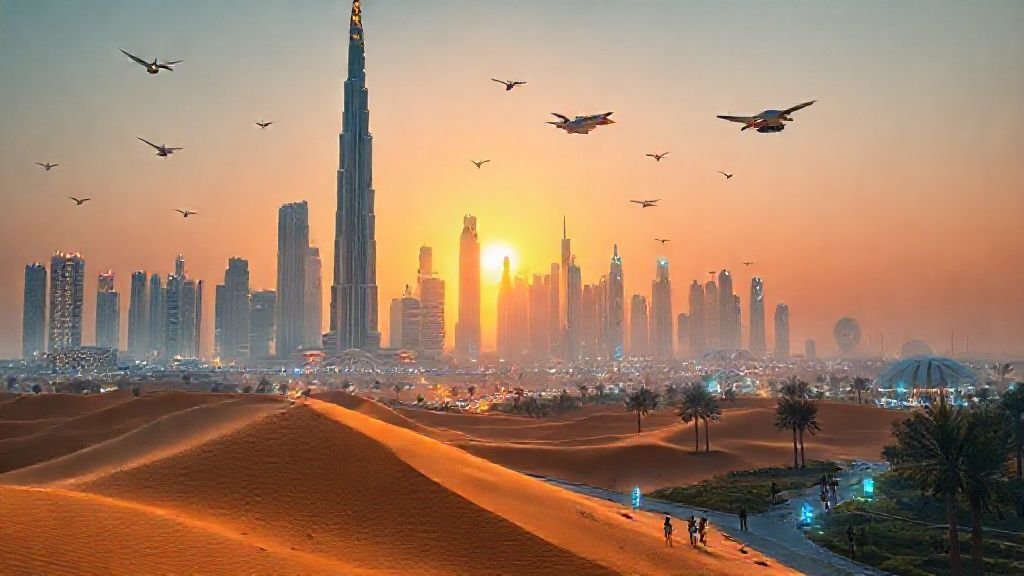
Dubai has always been a city that looks toward the future. From its iconic skyline to its ambitious plans for sustainability, the spirit of innovation is woven into every project. In 2025, the city is stepping into a new era where technology is not just a tool but a living system that powers everyday life, reshaping how residents work, travel, shop and connect.
1. The Birth of a Smart City
When most people think of a smart city, images of connected traffic lights, billboards that update in real time, and drones delivering packages come to mind. Dubai’s journey began with the Smart Dubai programme, which set out to create a city where digital services are delivered more efficiently and transparently. The programme’s core goals were:
- Digital identity for citizens and residents.
- Integrated data platform for city services.
- Smart infrastructure that adapts to real‑time needs.
- Encouragement of start‑ups and tech investment.
These pillars laid the groundwork for a city that can react to the needs of its people instantly, making daily life smoother and more rewarding. This foundation also helped launch a wave of projects that pushed Dubai ahead of the global curve.
2. Artificial Intelligence Takes the Driver’s Seat
Artificial Intelligence (AI) has become the engine behind many of Dubai’s newest achievements. From predictive policing that helps keep streets safe to AI‑powered logistics that reduce delivery times, the technology is changing every sector.
Transportation and Mobility
The Dubai Metro’s robots now run maintenance checks without human intervention. Autonomous buses navigate the sidewalks, delivering passengers between business districts with minimal delays.
Healthcare Revolution
AI algorithms predict potential health risks based on lifestyle and genetic data, allowing doctors to intervene early. Virtual consultations powered by AI chatbots provide instant medical advice, freeing up specialists for complex cases.
Public Safety and Law Enforcement
Machine‑learning models detect unusual crowd movements and highlight potential security threats before they grow. Law‑enforcement drones patrol the city, ensuring that emergency response is swift and efficient.
By embedding AI into everyday services, Dubai turns its metropolis into a responsive organism that learns and grows with its people.
3. Blockchain: The Invisible Ledger of Modern Life
While blockchain has made headlines in finance, its real power lies in its transparency and security. Dubai has leveraged the technology to create tamper‑proof systems across government, healthcare, and logistics.
One notable example is the Digital Health Pass—an immutable record that tracks vaccination, medical history, and health alerts. Similarly, property transactions are recorded on a blockchain, cutting down paperwork and fraud while speeding up closing times.
These applications not only add value for the government but also provide a sense of trust for residents and investors alike.
4. The Architecture of Tomorrow: Smart Skyscrapers and Infrastructure
Dubai’s skyline is home to more than just office space; it is a living laboratory for sustainable design. Buildings now incorporate:
- Energy Harvesting Windows: Transparent solar panels that provide electricity to the building’s systems.
- Responsive Facades: Skin that adjusts to sunlight and temperature, keeping interiors comfortable while lowering energy usage.
- Water Recycling Systems: On‑site purification that reduces municipal water demand.
These features not only reduce carbon footprints but also lower operational costs, making high‑rise living accessible to a wider audience.
5. Technology Hubs and the Start‑up Ecosystem
The city’s growth is driven partly by its vibrant ecosystem for technology start‑ups. Numerous incubators provide mentorship, financing, and access to venture capital. Key areas of focus include:
- FinTech solutions simplifying banking for the cloud‑native generation.
- EdTech platforms that bring personalized learning to anyone on the move.
- HealthTech that integrates wearable data with AI diagnostics.
- Supply chain technology creating end‑to‑end traceability.
Dubai’s open data initiatives give start‑ups a wealth of information—making it easier to test and scale products that fit the local market and can also export worldwide.
6. The Human Touch: Building Tech Culture
Innovation is only as good as the people behind it. Dubai invests heavily in human capital: from schools teaching coding from kindergarten to higher‑education programmes that put AI and blockchain at the forefront.
Workshops lead residents to create their own mini‑projects, giving them a sense of ownership over the urban digital narrative. These efforts foster a public appetite for technology, ensuring that the next wave of ideas will come from diverse voices.
7. Looking Ahead: What Lies Beyond 2025?
The ambition never stops. While 2025 has delivered massive strides, the sights are now set on a more interconnected yet sustainable system.
- Zero‑carbon buildings enabled by nanomaterials.
- Hyper‑fast transport links into the desert, turning islands into bustling hubs.
- Advanced AI that helps residents live healthier lifestyles by predicting needs.
- Fully autonomous commercial districts where order and efficiency thrive.
These future projects are based on data collected in real time, meaning the city can adapt quickly to changing aspirations.
Dubai’s transformation demonstrates how creating a digital ecosystem, backed by supportive policy, can accelerate progress for all residents and set a global example for future city planning.
Want to read more about how Dubai is turning skyscrapers into AI hubs? Explore our story on skyscraper AI transformation.
Curious how the city’s smart system uses AI and blockchain to improve everyday life? Dive into the pulse of Dubai’s tech evolution.
Still wondering how visionary dreams turned into a reality of smart cities and AI? Discover the journey of Dubai’s tech pulse.


Looking for a GCS Crypto Currency Licence and Registration in Dubai?

Best Crypto currency license Services in Dubai

Dubai 2025: The Tech Revolution Unveiled – From Smart Cities to AI‑Driven Innovation

Top 10 Highest-Paying Jobs in Dubai for 2024-25

How Much Does It Cost to Open a Company in Dubai in 2024?

Top 10 Business Opportunities in Dubai for 2024-2025
-

 Business2 years ago
Top 10 Highest-Paying Jobs in Dubai for 2024-25
-
Business2 years ago
How Much Does It Cost to Open a Company in Dubai in 2024?
-
Business2 years ago
Top 10 Business Opportunities in Dubai for 2024-2025
-
Business2 years ago
Best upcoming exhibitions and trade shows in Dubai, 2024
-
Blog2 years ago
Places to Visit in Ras Al Khaimah
-
Sports2 years ago
Top 5 Upcoming International Sporting Events in Dubai (2024-2025)
-
Latest7 months ago
Dubai Golden Visa 2025: Everything You Need to Know About Eligibility, Benefits and Application Process
-
Business2 years ago
Top 5 Networking Events for Businesses in Dubai in 2024