Blog
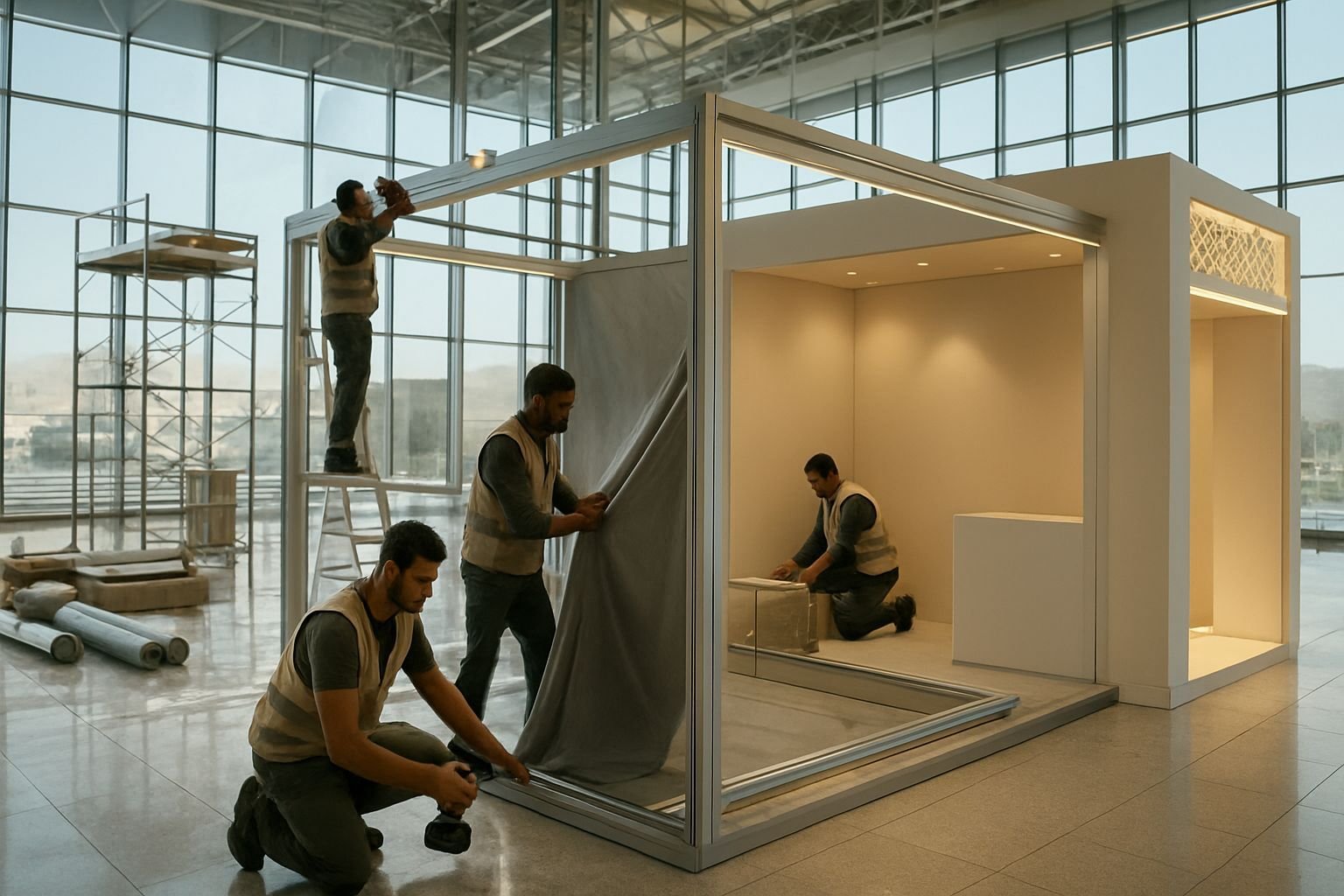
How Can an Exhibition Stand Contractor in Oman Transform My Booth?

- /home/u134898463/domains/explore-dubai.com/public_html/wp-content/plugins/mvp-social-buttons/mvp-social-buttons.php on line 27
https://explore-dubai.com/wp-content/uploads/2025/11/ultrarealistic-editorial-photograph-1600-900-wideangle-view-inside-a-modern-convention-center-1000x600.jpg&description=How Can an Exhibition Stand Contractor in Oman Transform My Booth?', 'pinterestShare', 'width=750,height=350'); return false;" title="Pin This Post">
- Share
- Tweet /home/u134898463/domains/explore-dubai.com/public_html/wp-content/plugins/mvp-social-buttons/mvp-social-buttons.php on line 72
https://explore-dubai.com/wp-content/uploads/2025/11/ultrarealistic-editorial-photograph-1600-900-wideangle-view-inside-a-modern-convention-center-1000x600.jpg&description=How Can an Exhibition Stand Contractor in Oman Transform My Booth?', 'pinterestShare', 'width=750,height=350'); return false;" title="Pin This Post">
Introduction to exhibition stand building in Oman
When a trade show or cultural expo arrives, the visual impact of a booth often determines how many visitors stop by. In Oman, the market for exhibition stand builders has grown alongside the nation’s expanding tourism and business sectors. Companies that specialize in this field combine local craftsmanship with international design trends, creating spaces that reflect both the brand’s identity and the cultural backdrop of the venue. Understanding the process-from concept to construction-helps event organizers make informed decisions and ensures that the final structure aligns with logistical constraints, sustainability goals, and audience expectations.
Key phases of the stand creation process
Concept development and brand alignment
The first step involves translating a brand’s story into a three‑dimensional experience. Designers conduct workshops with the client to capture core messages, colour palettes, and desired visitor journeys. By mapping these elements onto floor plans, they create sketches that illustrate traffic flow, product placement, and interactive zones. This collaborative approach reduces the risk of costly revisions later in the project.
Technical planning and regulatory compliance
Oman’s exhibition venues often have specific structural and fire‑safety requirements. Technical teams review venue guidelines, calculate load‑bearing capacities, and select materials that meet both aesthetic and safety standards. Detailed engineering drawings are produced to obtain the necessary permits, and a timeline is established to coordinate deliveries, assembly, and dismantling.
Material selection and sustainability considerations
Choosing the right materials influences durability, weight, and environmental impact. Many local builders now prioritize recyclable aluminium frames, modular panel systems, and low‑VOC finishes. Sustainable sourcing not only aligns with global trends but also appeals to environmentally conscious visitors who expect brands to demonstrate responsibility.
Choosing the right partner
Evaluating experience and portfolio
Prospective clients should review past projects to gauge a builder’s versatility. A diverse portfolio that includes high‑tech installations, traditional crafts, and large‑scale pavilions indicates the ability to adapt designs to various themes and budgets.
Assessing project management capabilities
Effective coordination between designers, engineers, and on‑site crews is essential. Look for firms that provide a single point of contact, detailed schedules, and transparent reporting tools. This structure minimizes miscommunication and keeps the project on track.
Local knowledge and cultural sensitivity
Understanding Omani customs, such as preferred colour symbolism and spatial etiquette, can enhance visitor engagement. Builders with a strong regional presence are better equipped to navigate local supply chains, labor regulations, and venue relationships.
Design trends shaping Omani exhibitions
Immersive digital experiences
Interactive screens, augmented reality, and projection mapping transform static displays into dynamic storytelling platforms. When integrated thoughtfully, these technologies increase dwell time and encourage social media sharing.
Modular and reusable structures
Modularity allows exhibitors to reconfigure elements for different events, reducing waste and cost. Sections can be combined in new layouts, offering fresh experiences without a complete rebuild.
Biophilic design elements
Incorporating natural materials, greenery, and organic shapes creates a calming atmosphere that resonates with visitors seeking authenticity. Such elements also improve indoor air quality and visual appeal.
Logistics and on‑site execution
Transportation and handling
Efficient packing strategies protect components during transit and simplify unloading. Builders often use custom crates with cushioning to prevent damage, especially for delicate finishes or electronic equipment.
Assembly and safety protocols
On‑site crews follow step‑by‑step assembly manuals, using calibrated tools and safety harnesses where needed. Regular inspections ensure that all connections meet structural standards before the exhibition opens.
Dismantling and storage solutions
After the event, systematic disassembly reduces labor time and safeguards reusable parts. Many providers offer storage services, allowing exhibitors to retain components for future shows.
Cost management without compromising quality
Budget constraints are common, yet they should not dictate the overall experience. By prioritising high‑impact elements-such as focal walls, lighting, and interactive stations-exhibitors can allocate resources strategically. Early collaboration with the builder helps identify cost‑saving opportunities, such as using standard‑size panels or shared lighting rigs.
Case study: a cultural expo in Muscat
For a recent cultural expo, a leading exhibition stand builder in Oman delivered a 150‑square‑metre pavilion that blended traditional Omani patterns with modern lighting. The design featured a central arch made from reclaimed wood, surrounded by modular display units that could be re‑arranged for future events. The project adhered to the venue’s fire‑safety standards, and the modular system reduced the overall budget by 12 % compared with a custom‑built alternative. Visitor feedback highlighted the seamless blend of heritage and innovation, demonstrating the value of a well‑executed partnership.
Future outlook for exhibition stands in Oman
As Oman continues to host international conferences and trade fairs, demand for sophisticated, adaptable exhibition spaces will rise. Emerging technologies such as AI‑driven visitor analytics and holographic displays are expected to become mainstream, offering new ways to measure engagement. Simultaneously, the push for greener events will drive broader adoption of recyclable materials and energy‑efficient lighting solutions.
How to start the selection process
Begin by defining clear objectives: target audience, key messages, and desired visitor actions. Compile a shortlist of firms that have demonstrated expertise in similar projects. Request detailed proposals that include concept sketches, material samples, timelines, and cost breakdowns. Finally, schedule site visits to assess the builder’s workshop facilities and meet the project team.
Additional resources for exhibitors
- Guidelines on venue safety standards published by the Oman Exhibition Authority.
- Best‑practice checklists for sustainable booth construction.
- Industry reports on digital engagement trends in the Middle East.
Partner highlights
For those seeking reputable specialists, Exhibition stand builders in Oman have a track record of delivering projects that balance creativity with practicality. Their portfolio showcases a range of thematic installations across major Omani venues.
Another notable firm, Exhibition stand contractors in Oman, emphasizes rigorous project management and on‑time delivery, ensuring that each phase aligns with the client’s schedule.
Clients looking for strategic design services often turn to an Exhibition stand design company in Oman that integrates brand storytelling with cutting‑edge visual technology.
For a focus on innovative booth concepts, the Exhibition booth design company in Oman offers expertise in immersive environments that leverage AR and interactive media.
Finally, an experienced Exhibition booth builder in Oman provides end‑to‑end construction services, from material procurement to final installation, ensuring a seamless experience for exhibitors.
Conclusion
Choosing the right exhibition stand builder can transform an ordinary booth into a memorable brand experience. By considering factors such as design expertise, technical capability, cultural awareness, and sustainable practices, organizers in Oman can achieve results that resonate with visitors and support long‑term brand goals. The firms highlighted above demonstrate the depth of talent available in the region, and their work exemplifies the high standards that can be expected from Stands Bay.
Looking for a GCS Crypto Currency Licence and Registration in Dubai?
Welcome to our guide on Crypto currency license in Dubai. At GCS, we specialize in providing top-quality Crypto currency license services to meet your needs.
Why Choose Our Crypto currency license Services?
Our team of experienced professionals understands the importance of quality Crypto currency license in Dubai. We pride ourselves on delivering exceptional results and customer satisfaction.
Our Approach to Crypto currency license
We take a comprehensive approach to Crypto currency license, ensuring that every aspect of our service meets the highest standards. Our process includes:
- Thorough consultation to understand your specific needs
- Customized solutions tailored to your situation
- Ongoing support throughout the process
- Transparent communication at every step
Important Resources
For more information about Crypto currency license, check out these valuable resources:
- Crypto Currency Licence in Dubai
- Dubai Crypto Currency Licence
- Crypto Currency Registration in Dubai
- Dubai Crypto Currency Registration
- GCS Crypto Currency Licence in Dubai
Get Started Today
Ready to experience the difference our Crypto currency license services can make? Contact GCS today to schedule your consultation. Our team is standing by to answer your questions and help you get started on the path to success.
Don’t wait – reach out to us today and discover why so many people in Dubai trust GCS for their Crypto currency license needs.
Best Crypto currency license Services in Dubai
Welcome to our guide on Crypto currency license in Dubai. At GCS, we specialize in providing top-quality Crypto currency license services to meet your needs.
Why Choose Our Crypto currency license Services?
Our team of experienced professionals understands the importance of quality Crypto currency license in Dubai. We pride ourselves on delivering exceptional results and customer satisfaction.
Our Approach to Crypto currency license
We take a comprehensive approach to Crypto currency license, ensuring that every aspect of our service meets the highest standards. Our process includes:
- Thorough consultation to understand your specific needs
- Customized solutions tailored to your situation
- Ongoing support throughout the process
- Transparent communication at every step
Important Resources
For more information about Crypto currency license, check out these valuable resources:
- Crypto Currency Licence in Dubai
- Dubai Crypto Currency Licence
- Crypto Currency Registration in Dubai
- Dubai Crypto Currency Registration
- GCS Crypto Currency Licence in Dubai
Get Started Today
Ready to experience the difference our Crypto currency license services can make? Contact GCS today to schedule your consultation. Our team is standing by to answer your questions and help you get started on the path to success.
Don’t wait – reach out to us today and discover why so many people in Dubai trust GCS for their Crypto currency license needs.
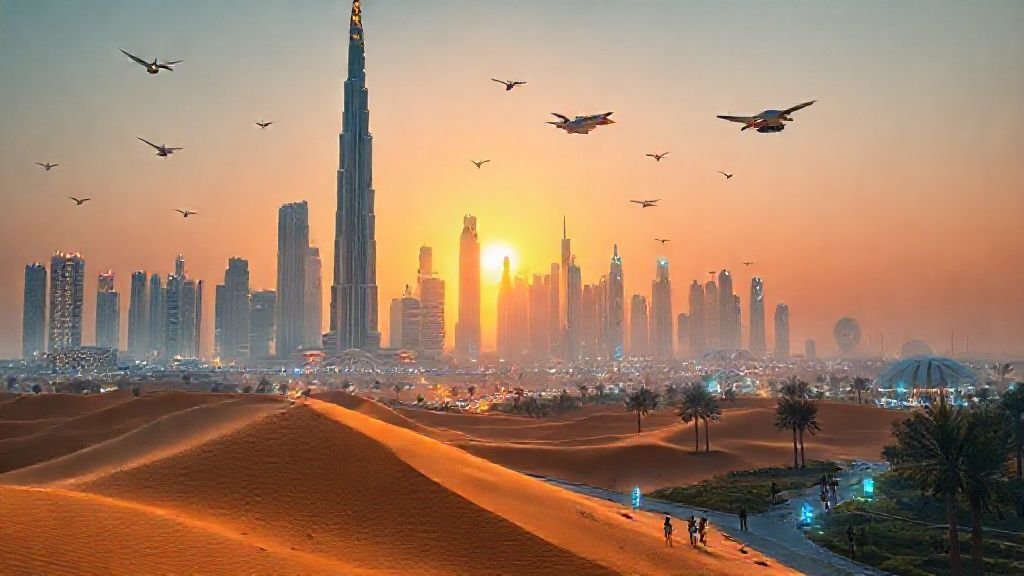
Dubai has always been a city that looks toward the future. From its iconic skyline to its ambitious plans for sustainability, the spirit of innovation is woven into every project. In 2025, the city is stepping into a new era where technology is not just a tool but a living system that powers everyday life, reshaping how residents work, travel, shop and connect.
1. The Birth of a Smart City
When most people think of a smart city, images of connected traffic lights, billboards that update in real time, and drones delivering packages come to mind. Dubai’s journey began with the Smart Dubai programme, which set out to create a city where digital services are delivered more efficiently and transparently. The programme’s core goals were:
- Digital identity for citizens and residents.
- Integrated data platform for city services.
- Smart infrastructure that adapts to real‑time needs.
- Encouragement of start‑ups and tech investment.
These pillars laid the groundwork for a city that can react to the needs of its people instantly, making daily life smoother and more rewarding. This foundation also helped launch a wave of projects that pushed Dubai ahead of the global curve.
2. Artificial Intelligence Takes the Driver’s Seat
Artificial Intelligence (AI) has become the engine behind many of Dubai’s newest achievements. From predictive policing that helps keep streets safe to AI‑powered logistics that reduce delivery times, the technology is changing every sector.
Transportation and Mobility
The Dubai Metro’s robots now run maintenance checks without human intervention. Autonomous buses navigate the sidewalks, delivering passengers between business districts with minimal delays.
Healthcare Revolution
AI algorithms predict potential health risks based on lifestyle and genetic data, allowing doctors to intervene early. Virtual consultations powered by AI chatbots provide instant medical advice, freeing up specialists for complex cases.
Public Safety and Law Enforcement
Machine‑learning models detect unusual crowd movements and highlight potential security threats before they grow. Law‑enforcement drones patrol the city, ensuring that emergency response is swift and efficient.
By embedding AI into everyday services, Dubai turns its metropolis into a responsive organism that learns and grows with its people.
3. Blockchain: The Invisible Ledger of Modern Life
While blockchain has made headlines in finance, its real power lies in its transparency and security. Dubai has leveraged the technology to create tamper‑proof systems across government, healthcare, and logistics.
One notable example is the Digital Health Pass—an immutable record that tracks vaccination, medical history, and health alerts. Similarly, property transactions are recorded on a blockchain, cutting down paperwork and fraud while speeding up closing times.
These applications not only add value for the government but also provide a sense of trust for residents and investors alike.
4. The Architecture of Tomorrow: Smart Skyscrapers and Infrastructure
Dubai’s skyline is home to more than just office space; it is a living laboratory for sustainable design. Buildings now incorporate:
- Energy Harvesting Windows: Transparent solar panels that provide electricity to the building’s systems.
- Responsive Facades: Skin that adjusts to sunlight and temperature, keeping interiors comfortable while lowering energy usage.
- Water Recycling Systems: On‑site purification that reduces municipal water demand.
These features not only reduce carbon footprints but also lower operational costs, making high‑rise living accessible to a wider audience.
5. Technology Hubs and the Start‑up Ecosystem
The city’s growth is driven partly by its vibrant ecosystem for technology start‑ups. Numerous incubators provide mentorship, financing, and access to venture capital. Key areas of focus include:
- FinTech solutions simplifying banking for the cloud‑native generation.
- EdTech platforms that bring personalized learning to anyone on the move.
- HealthTech that integrates wearable data with AI diagnostics.
- Supply chain technology creating end‑to‑end traceability.
Dubai’s open data initiatives give start‑ups a wealth of information—making it easier to test and scale products that fit the local market and can also export worldwide.
6. The Human Touch: Building Tech Culture
Innovation is only as good as the people behind it. Dubai invests heavily in human capital: from schools teaching coding from kindergarten to higher‑education programmes that put AI and blockchain at the forefront.
Workshops lead residents to create their own mini‑projects, giving them a sense of ownership over the urban digital narrative. These efforts foster a public appetite for technology, ensuring that the next wave of ideas will come from diverse voices.
7. Looking Ahead: What Lies Beyond 2025?
The ambition never stops. While 2025 has delivered massive strides, the sights are now set on a more interconnected yet sustainable system.
- Zero‑carbon buildings enabled by nanomaterials.
- Hyper‑fast transport links into the desert, turning islands into bustling hubs.
- Advanced AI that helps residents live healthier lifestyles by predicting needs.
- Fully autonomous commercial districts where order and efficiency thrive.
These future projects are based on data collected in real time, meaning the city can adapt quickly to changing aspirations.
Dubai’s transformation demonstrates how creating a digital ecosystem, backed by supportive policy, can accelerate progress for all residents and set a global example for future city planning.
Want to read more about how Dubai is turning skyscrapers into AI hubs? Explore our story on skyscraper AI transformation.
Curious how the city’s smart system uses AI and blockchain to improve everyday life? Dive into the pulse of Dubai’s tech evolution.
Still wondering how visionary dreams turned into a reality of smart cities and AI? Discover the journey of Dubai’s tech pulse.


Looking for a GCS Crypto Currency Licence and Registration in Dubai?

Best Crypto currency license Services in Dubai

Dubai 2025: The Tech Revolution Unveiled – From Smart Cities to AI‑Driven Innovation

Top 10 Highest-Paying Jobs in Dubai for 2024-25

How Much Does It Cost to Open a Company in Dubai in 2024?

Top 10 Business Opportunities in Dubai for 2024-2025
-

 Business2 years ago
Top 10 Highest-Paying Jobs in Dubai for 2024-25
-
Business2 years ago
How Much Does It Cost to Open a Company in Dubai in 2024?
-
Business2 years ago
Top 10 Business Opportunities in Dubai for 2024-2025
-
Business2 years ago
Best upcoming exhibitions and trade shows in Dubai, 2024
-
Blog2 years ago
Places to Visit in Ras Al Khaimah
-
Sports2 years ago
Top 5 Upcoming International Sporting Events in Dubai (2024-2025)
-
Latest7 months ago
Dubai Golden Visa 2025: Everything You Need to Know About Eligibility, Benefits and Application Process
-
Business2 years ago
Top 5 Networking Events for Businesses in Dubai in 2024