Blog
Dubai 2025: How Cutting‑Edge Tech is Turning the City into a Living Lab

- /home/u134898463/domains/explore-dubai.com/public_html/wp-content/plugins/mvp-social-buttons/mvp-social-buttons.php on line 27
Warning: Trying to access array offset on value of type bool in /home/u134898463/domains/explore-dubai.com/public_html/wp-content/plugins/mvp-social-buttons/mvp-social-buttons.php on line 27
&description=Dubai 2025: How Cutting‑Edge Tech is Turning the City into a Living Lab', 'pinterestShare', 'width=750,height=350'); return false;" title="Pin This Post">
- Share
- Tweet /home/u134898463/domains/explore-dubai.com/public_html/wp-content/plugins/mvp-social-buttons/mvp-social-buttons.php on line 72
Warning: Trying to access array offset on value of type bool in /home/u134898463/domains/explore-dubai.com/public_html/wp-content/plugins/mvp-social-buttons/mvp-social-buttons.php on line 72
&description=Dubai 2025: How Cutting‑Edge Tech is Turning the City into a Living Lab', 'pinterestShare', 'width=750,height=350'); return false;" title="Pin This Post">
Dubai’s skyline is iconic, but what often gets less attention is the invisible web of innovation that is weaving through its streets, offices, and even its airspace. By 2025 the emirate will be standing at the crossroads of autonomous vehicles, smart city sensors, and AI‑powered public services. The result is a living, breathing laboratory where ideas turn into practical solutions the moment you walk past a merchant terminal or hop on a driverless metro car.
Why the Tech Boom Is Weather‑Proofing Dubai’s Future
Economic diversification is no longer talk; it’s happening. When the oil markets dip, Dubai’s economy has one backup plan that’s already yielding returns: a technology ecosystem that attracts talent, incubators, and venture capital. Smart district projects like the Sustainable City and the Dubai Internet of Things (IoT) Labs show how real‑world data is feeding back into better policy decisions and business models. These initiatives are not just experiments; they are proven models now being scaled across the city.
Public services have benefited most visibly. A new digital platform allows residents to apply for permits, pay taxes, and even report road hazards, all in a single, user‑friendly app. Behind the scenes, a cloud‑based data lake collects millions of geolocated data points, which feed machine learning algorithms to forecast traffic congestion and optimize traffic light timing.
Mobile Tech Investing in Consumers, Not Just Corporations
When a startup proposes a modular phone that can be reconfigured with new modules for health monitoring, gaming, or productivity, the local government offers a scaled grant. This approach means that the applications are built around consumer needs rather than corporate obligations alone. The result is a deeper engagement with the tech ecosystem across the entire population, driving both adoption and innovation cycles.
Smart Housing, Smart Users
- IoT lighting that reacts to natural light levels.
- Energy‑harvesting panels that feed surplus electricity back to the grid.
- Predictive maintenance sensors that alert homeowners to potential issues before they become emergencies.
All these features are powered by local data analytics hubs that run next‑generation AI models in real time, enabling immediate responses to changing conditions.
Innovation Hubs: The Human Capital of Dubai’s Tech Landscape
Dubai’s value proposition lies equally in people as it does in technology. The Emirate’s free zones and incubators host over 1,200 tech companies, offering seed funding, networking events, and workspace. More than that, the “Dubai Future Accelerators” program brings senior executives and innovators from industry to work side‑by‑side to solve complex challenges. Their output consists of real projects, from AI‑driven waste sorting to autonomous delivery drones.
Graduates from the University of Dubai’s new School of Artificial Intelligence are steering start‑ups that are turning academic research into market‑ready products. The city’s digital talent pool spans data science, cloud engineering, and UX design, all of which are matched with equivalent industry demands.
Blockchain, Not Just Bitcoin
Beyond the curses and the hype of cryptocurrencies, blockchain is now embedded in Dubai’s property market. Digital property titles on a public ledger reduce paperwork and fraud. A transparent token‑backed platform lets residents invest in fractional real‑estate assets, making property ownership accessible to a broader demographic.
For those interested in exploring this space, you can read more about the transformation journey in Dubai. The article dives into how the city’s strategy for smart cities and AI is creating a solid base for future growth.
Smart Mobility: From Roads to Roofs
Dubai’s public transport is shifting from conventional buses to electric autovans and driverless metros. Leasing fleets of electric trucks that keep themselves charged via solar rooftops reduces operational costs. Moreover, the city’s car‑sharing platforms specialize in electric vehicles, offering subsidies to return judges and commuters.
Meanwhile, the drone delivery hackathon showcased prototypes capable of delivering medical supplies within minutes. The city’s regulatory framework for drones is being updated in real time, making this a live testbed for policy and technology to evolve together.
Vertical Farming Meets High‑Rise Living
Water scarcity has driven Dubai to nurture vertical farms that run on hydroponics and AI estimators for nutrient delivery. These farms are integrated into residential towers so that residents consume fresh produce grown on green façades. Not only do the trees provide oxygen, but they also act as carbon sinks for the building’s own energy consumption.
A City that Beats the Heat: The Cooling Innovation
Diving into thermal dynamics, Dubai’s smart cooling systems adapt in real time to temperature shifts. Sensors embedded into facades trigger thermal regulation that keeps the interior at a constant 22°C, regardless of outside humidity. Cooling costs are reduced by up to 40% in some tested neighborhoods.
Data Lakes: The City’s New Heartbeat
A global partner, the UAE’s Ministry of Health has launched a COVID‑19 dashboard that pulls from hospitals, pharmacies, and even smart masks. The platform powerfully shows how real‑time surveillance can minimize false positives, direct resources, and shorten recovery times.
In the enterprise space, a cloud‑based data lake built with open‑source technology creates a single source of truth across all sectors, from energy to tourism. This arrangement has led to the development of a wide range of cross‑industry services such as predictive maintenance for air‑conditioning units and AI‑driven marketing to balance supply and demand for events.
Learning from Other Cities
Dubai’s strategies echo some of the practices seen in Singapore, Barcelona, and Helsinki. The city’s “Smart Dubai” initiative shares best practices, while also contributing its own data for multinational trials. This collaboration accelerates global adoption of clean tech solutions.
Opportunities for Startups: What’s on the Table?
- AI‑guided retail experiences, reducing customer wait times.
- Blockchain for secure supply chain tracking.
- Remote sensing drones for agriculture and construction.
- Smart city integration for local utilities companies.
- Personal caregiving robots.
With these options, budding entrepreneurs can find a niche that fits both their skill set and the market demands. Start‑ups can also tap into the city’s supportive ecosystem that offers hackathons, joint ventures, and government‑backed accelerators.
For those especially interested in how the AI revolution is shaping Dubai, the article provides a deeper dive into the future and what it means for individuals and businesses. It explains how everyday life is being reshaped from smart parking spots to AI concierge services.
Industries That Will Change the Gears
Tourism is already benefiting from personalized experiences guided by AR headsets and AI. The hotel industry uses predictive analytics to anticipate demand and optimize pricing. Logistics sees autonomous shuttles delivering curbside pickups. Even the fashion industry is now experimenting with 3D printed garments integrated with AI for custom sizing.
Conclusion: Living in a Tech‑First City
City life is at a crossroads, with technology acting as a draft in daily routines, governance, and future planning. Dubai is not just hoping to keep up but to set a new standard for how a metropolis can thrive on tech. Whether you are a resident, a visitor, or an investor, you’ll find that every corner of the city already tells you a story of a brighter, smarter tomorrow.
Explore More
If you want to learn more about how the city’s tech revolution is being designed, you might also enjoy this tale about the journey through innovation and opportunity in Dubai’s tech landscape. The book details practical examples of how ideas are transformed into life‑changing projects.
Dubai’s 2025 vision is already in motion, and every innovation you see is part of that grand plan. Explore it, engage with it, and you may find yourself at the heart of the next global breakthrough.
Looking for a GCS Crypto Currency Licence and Registration in Dubai?
Welcome to our guide on Crypto currency license in Dubai. At GCS, we specialize in providing top-quality Crypto currency license services to meet your needs.
Why Choose Our Crypto currency license Services?
Our team of experienced professionals understands the importance of quality Crypto currency license in Dubai. We pride ourselves on delivering exceptional results and customer satisfaction.
Our Approach to Crypto currency license
We take a comprehensive approach to Crypto currency license, ensuring that every aspect of our service meets the highest standards. Our process includes:
- Thorough consultation to understand your specific needs
- Customized solutions tailored to your situation
- Ongoing support throughout the process
- Transparent communication at every step
Important Resources
For more information about Crypto currency license, check out these valuable resources:
- Crypto Currency Licence in Dubai
- Dubai Crypto Currency Licence
- Crypto Currency Registration in Dubai
- Dubai Crypto Currency Registration
- GCS Crypto Currency Licence in Dubai
Get Started Today
Ready to experience the difference our Crypto currency license services can make? Contact GCS today to schedule your consultation. Our team is standing by to answer your questions and help you get started on the path to success.
Don’t wait – reach out to us today and discover why so many people in Dubai trust GCS for their Crypto currency license needs.
Best Crypto currency license Services in Dubai
Welcome to our guide on Crypto currency license in Dubai. At GCS, we specialize in providing top-quality Crypto currency license services to meet your needs.
Why Choose Our Crypto currency license Services?
Our team of experienced professionals understands the importance of quality Crypto currency license in Dubai. We pride ourselves on delivering exceptional results and customer satisfaction.
Our Approach to Crypto currency license
We take a comprehensive approach to Crypto currency license, ensuring that every aspect of our service meets the highest standards. Our process includes:
- Thorough consultation to understand your specific needs
- Customized solutions tailored to your situation
- Ongoing support throughout the process
- Transparent communication at every step
Important Resources
For more information about Crypto currency license, check out these valuable resources:
- Crypto Currency Licence in Dubai
- Dubai Crypto Currency Licence
- Crypto Currency Registration in Dubai
- Dubai Crypto Currency Registration
- GCS Crypto Currency Licence in Dubai
Get Started Today
Ready to experience the difference our Crypto currency license services can make? Contact GCS today to schedule your consultation. Our team is standing by to answer your questions and help you get started on the path to success.
Don’t wait – reach out to us today and discover why so many people in Dubai trust GCS for their Crypto currency license needs.
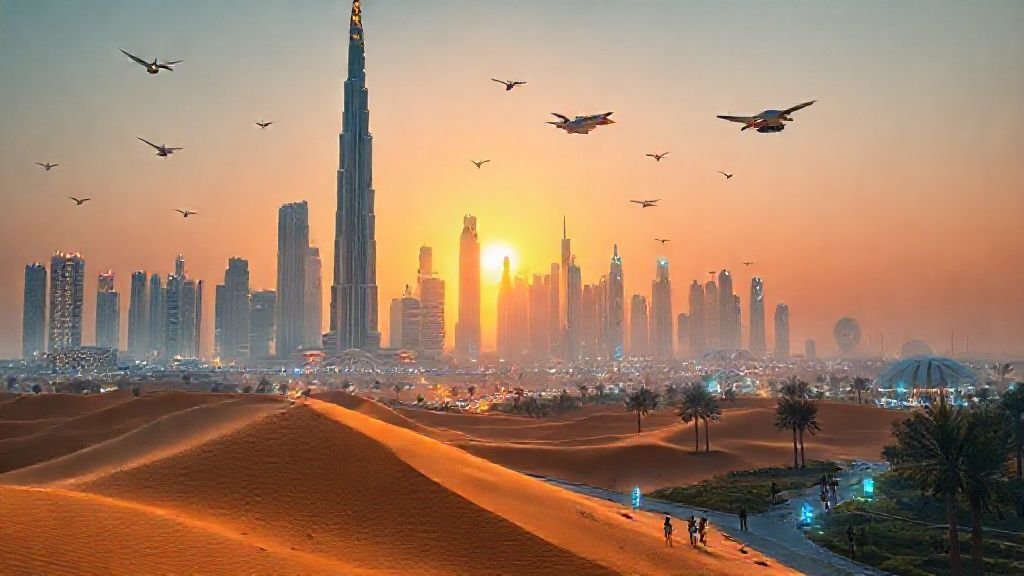
Dubai has always been a city that looks toward the future. From its iconic skyline to its ambitious plans for sustainability, the spirit of innovation is woven into every project. In 2025, the city is stepping into a new era where technology is not just a tool but a living system that powers everyday life, reshaping how residents work, travel, shop and connect.
1. The Birth of a Smart City
When most people think of a smart city, images of connected traffic lights, billboards that update in real time, and drones delivering packages come to mind. Dubai’s journey began with the Smart Dubai programme, which set out to create a city where digital services are delivered more efficiently and transparently. The programme’s core goals were:
- Digital identity for citizens and residents.
- Integrated data platform for city services.
- Smart infrastructure that adapts to real‑time needs.
- Encouragement of start‑ups and tech investment.
These pillars laid the groundwork for a city that can react to the needs of its people instantly, making daily life smoother and more rewarding. This foundation also helped launch a wave of projects that pushed Dubai ahead of the global curve.
2. Artificial Intelligence Takes the Driver’s Seat
Artificial Intelligence (AI) has become the engine behind many of Dubai’s newest achievements. From predictive policing that helps keep streets safe to AI‑powered logistics that reduce delivery times, the technology is changing every sector.
Transportation and Mobility
The Dubai Metro’s robots now run maintenance checks without human intervention. Autonomous buses navigate the sidewalks, delivering passengers between business districts with minimal delays.
Healthcare Revolution
AI algorithms predict potential health risks based on lifestyle and genetic data, allowing doctors to intervene early. Virtual consultations powered by AI chatbots provide instant medical advice, freeing up specialists for complex cases.
Public Safety and Law Enforcement
Machine‑learning models detect unusual crowd movements and highlight potential security threats before they grow. Law‑enforcement drones patrol the city, ensuring that emergency response is swift and efficient.
By embedding AI into everyday services, Dubai turns its metropolis into a responsive organism that learns and grows with its people.
3. Blockchain: The Invisible Ledger of Modern Life
While blockchain has made headlines in finance, its real power lies in its transparency and security. Dubai has leveraged the technology to create tamper‑proof systems across government, healthcare, and logistics.
One notable example is the Digital Health Pass—an immutable record that tracks vaccination, medical history, and health alerts. Similarly, property transactions are recorded on a blockchain, cutting down paperwork and fraud while speeding up closing times.
These applications not only add value for the government but also provide a sense of trust for residents and investors alike.
4. The Architecture of Tomorrow: Smart Skyscrapers and Infrastructure
Dubai’s skyline is home to more than just office space; it is a living laboratory for sustainable design. Buildings now incorporate:
- Energy Harvesting Windows: Transparent solar panels that provide electricity to the building’s systems.
- Responsive Facades: Skin that adjusts to sunlight and temperature, keeping interiors comfortable while lowering energy usage.
- Water Recycling Systems: On‑site purification that reduces municipal water demand.
These features not only reduce carbon footprints but also lower operational costs, making high‑rise living accessible to a wider audience.
5. Technology Hubs and the Start‑up Ecosystem
The city’s growth is driven partly by its vibrant ecosystem for technology start‑ups. Numerous incubators provide mentorship, financing, and access to venture capital. Key areas of focus include:
- FinTech solutions simplifying banking for the cloud‑native generation.
- EdTech platforms that bring personalized learning to anyone on the move.
- HealthTech that integrates wearable data with AI diagnostics.
- Supply chain technology creating end‑to‑end traceability.
Dubai’s open data initiatives give start‑ups a wealth of information—making it easier to test and scale products that fit the local market and can also export worldwide.
6. The Human Touch: Building Tech Culture
Innovation is only as good as the people behind it. Dubai invests heavily in human capital: from schools teaching coding from kindergarten to higher‑education programmes that put AI and blockchain at the forefront.
Workshops lead residents to create their own mini‑projects, giving them a sense of ownership over the urban digital narrative. These efforts foster a public appetite for technology, ensuring that the next wave of ideas will come from diverse voices.
7. Looking Ahead: What Lies Beyond 2025?
The ambition never stops. While 2025 has delivered massive strides, the sights are now set on a more interconnected yet sustainable system.
- Zero‑carbon buildings enabled by nanomaterials.
- Hyper‑fast transport links into the desert, turning islands into bustling hubs.
- Advanced AI that helps residents live healthier lifestyles by predicting needs.
- Fully autonomous commercial districts where order and efficiency thrive.
These future projects are based on data collected in real time, meaning the city can adapt quickly to changing aspirations.
Dubai’s transformation demonstrates how creating a digital ecosystem, backed by supportive policy, can accelerate progress for all residents and set a global example for future city planning.
Want to read more about how Dubai is turning skyscrapers into AI hubs? Explore our story on skyscraper AI transformation.
Curious how the city’s smart system uses AI and blockchain to improve everyday life? Dive into the pulse of Dubai’s tech evolution.
Still wondering how visionary dreams turned into a reality of smart cities and AI? Discover the journey of Dubai’s tech pulse.


Looking for a GCS Crypto Currency Licence and Registration in Dubai?

Best Crypto currency license Services in Dubai

Dubai 2025: The Tech Revolution Unveiled – From Smart Cities to AI‑Driven Innovation

Top 10 Highest-Paying Jobs in Dubai for 2024-25

How Much Does It Cost to Open a Company in Dubai in 2024?

Top 10 Business Opportunities in Dubai for 2024-2025
-

 Business2 years ago
Top 10 Highest-Paying Jobs in Dubai for 2024-25
-
Business2 years ago
How Much Does It Cost to Open a Company in Dubai in 2024?
-
Business2 years ago
Top 10 Business Opportunities in Dubai for 2024-2025
-
Business2 years ago
Best upcoming exhibitions and trade shows in Dubai, 2024
-
Blog2 years ago
Places to Visit in Ras Al Khaimah
-
Accounting & Auditing12 months ago
Top Strategies for Smart Real Estate Investment in Dubai
-
Sports2 years ago
Top 5 Upcoming International Sporting Events in Dubai (2024-2025)
-
Latest1 year ago
Dubai Golden Visa 2025: Everything You Need to Know About Eligibility, Benefits and Application Process