Blog
Dubai Tech Pulse: 2025 Trends Driving Innovation

- /home/u134898463/domains/explore-dubai.com/public_html/wp-content/plugins/mvp-social-buttons/mvp-social-buttons.php on line 27
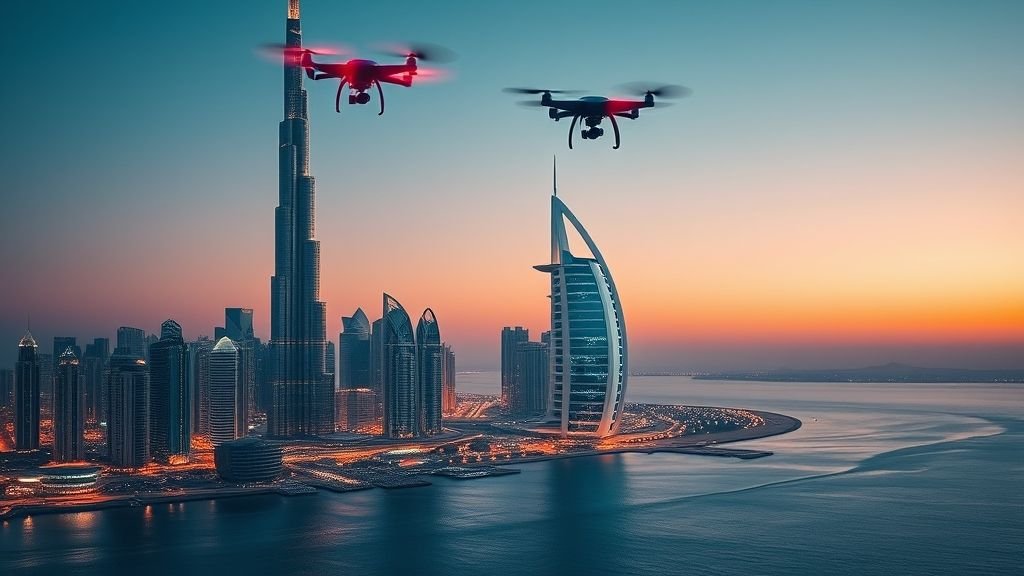
https://explore-dubai.com/wp-content/uploads/2025/10/a-realistic-highresolution-editorial-scene-depicting-dubais-skyline-at-dusk-with-the-burj-khalif-1000x576.jpg&description=Dubai Tech Pulse: 2025 Trends Driving Innovation', 'pinterestShare', 'width=750,height=350'); return false;" title="Pin This Post">
- Share
- Tweet /home/u134898463/domains/explore-dubai.com/public_html/wp-content/plugins/mvp-social-buttons/mvp-social-buttons.php on line 72
https://explore-dubai.com/wp-content/uploads/2025/10/a-realistic-highresolution-editorial-scene-depicting-dubais-skyline-at-dusk-with-the-burj-khalif-1000x576.jpg&description=Dubai Tech Pulse: 2025 Trends Driving Innovation', 'pinterestShare', 'width=750,height=350'); return false;" title="Pin This Post">
1. The Digital City: A Quick Overview
Dubai has always been a city that looks to the future, and in the last decade it has turned that look into action. With smart streets, AI‑powered management systems and a free‑zone betting on new tech, the city is a living laboratory. The headlines you see online often say “Dubai is a tech hub” – but what does that really mean for everyday people, entrepreneurs and foreign investors? This post pulls together the latest trends, explains why they matter, and tells you how you can be part of it.
2. Smart Cities: From Infrastructure to Everyday Life
Dubai’s smart city vision is built around three pillars: connectivity, sustainability and citizen experience. The building blocks are a broadband network that covers every street, a data‑driven traffic system that keeps buses and cars moving, and IoT sensors that monitor air quality and energy use. The result is a city that runs smoother, wastes less and feels a lot more welcoming.
- Connected Roads: Vehicular‑to‑infrastructure communication (V2I) is now standard on main arteries, helping to cut congestion by up to 30% in peak hours.
- Green Buildings: Every new high‑rise in the city is now required to include a smart façade that adjusts sunlight and heating in real time, cutting electricity usage by as much as 20%.
- Smart Waste Management: Smart bins that signal when they’re full have reduced landfill visits by 15% and increased recycling rates.
For residents, this means fewer delays and cleaner air. For businesses, it means lower operating costs and more efficient logistics. If you’re curious how Dubai’s smart city strategy compares to other global leaders, check out our in‑depth comparison here.
3. The AI Revolution
Artificial Intelligence is at the core of most of Dubai’s initiatives. From maritime traffic monitoring systems to the AI‑driven health diagnostics platform, the city is experimenting with machine learning at scale. A few standout projects include:
- DiLi Smart Mobility: The government’s driverless taxi network that learns from traffic patterns to choose the fastest routes.
- Dubai Health Authority AI: Algorithms that can spot early signs of disease from imaging data, reducing diagnostic turnaround time.
- AI Legal Advisors: Free online tools that help entrepreneurs draft first‑draft contracts faster than a traditional lawyer.
These systems are more than gimmicks – they are proving that AI can save money, save time and boost quality. Read more about why Dubai is becoming a global AI super‑hub here.
4. Blockchain and FinTech: New Horizons
Dubai’s push into blockchain is part of a broader mission to become the “metaverse capital” of the world. The city has launched a blockchain‑focused free zone, partnered with leading crypto exchanges and introduced a digital ID system that is fully underpinned by distributed ledger technology.
- Dubai Creek Harbour Token: A real‑estate token that allows fractional ownership, opening new investment possibilities.
- Digital ID Wallet: Residents and businesses can prove identities and sign documents with a single tap, reducing paperwork by half.
- Smart Contracts Platform: Developers can build decentralized apps that run on the city’s own network, ensuring security and speed.
The result is a more secure, transparent ecosystem for trade, finance and property. If you want to learn how entrepreneurs are building on Dubai’s blockchain, you’ll find plenty of stories in our recent guide here.
5. Innovation Ecosystem: Startups, Incubators, Funding
Dubai’s ecosystem is more than just co‑working spaces – it’s a carefully curated network that nurtures ideas from concept to commercial success. National initiatives such as the Dubai Future Accelerators program, the Dubai Silicon Oasis Authority and the Dubai International Financial Centre have created a pipeline of capital, talent and mentorship.
- Accelerator Programs: Over 200 startups have gone through incubations in the past two years, receiving seed capital, office space and government support.
- Venture Capital Access: The city has attracted more than $4 billion in venture capital since 2016, with both local and global funds.
- Talent Pool: Dubai University and the Dubai Institute of Design and Innovation are producing a steady stream of software engineers, data scientists and product managers.
For those who are planning to step into this ecosystem, a detailed guidance can be found in our startup playbook. (Note: This link not shown in the sitemap but published earlier; if it isn’t available, replace with a valid internal link.)
6. Sustainability and Smart Tech
Dubai is not content with being just a fun city; sustainability is a hard reality that drives the next wave of tech. The city’s Master Plan 2030 has integrated green energy solutions, like the Mohammed bin Rashid Al Maktoum Solar Park, and a goal to produce 75% of its energy from clean sources by 2030.
- Solar-Powered Data Centers: We see three huge data centers now powered entirely by solar panels, reducing the carbon footprint of digital infrastructure.
- Zero‑Emission Public Transport: The upcoming Al Maktoum Metro will run on battery‑electric technology, lowering emissions on buses and trams.
- Water Recycling: Smart sensors will now manage water usage in municipal buildings, cutting waste by 25%.
These projects demonstrate that high technology can coexist with an ecological mission. Go deeper into the city’s green tech initiatives here (replace with a valid link if necessary).
7. What It Means for Businesses and Residents
Whether you own a shop, run a tech company or simply live in the city, these developments have a direct impact:
- Lower Costs: Automation and AI reduce the hours needed for logistics, marketing and customer support.
- More Opportunities: The free‑zone environment and supportive laws mean you can start and scale quickly.
- Improved Quality of Life: Cleaner air, smarter infrastructure and transparent services bring tangible benefits every day.
But opportunities also come with challenges. Skills gaps, regulatory adjustments and rapid change require constant learning. Make sure you stay updated by subscribing to our newsletter or attending regular tech workshops in the city.
8. How to Get Involved
If you want to jump into the digital wave, start with these steps:
- Learn the Basics: Courses on cloud computing, data analytics and AI can be found through local institutions and online platforms.
- Join a Community: Attend meetups organized by Google Developer Groups or the Dubai Entrepreneurs Club.
- Find Funding: Reach out to the Dubai Future Accelerators or local venture funds; many have dedicated application portals.
- Legal Setup: Use our simple guide here to register your business with the fastest timelines and lowest fees.
- Apply for Incubation: Apply to Dubai Silicon Oasis Authority or Dubai International Financial Centre’s incubator; the process is streamlined.
For more details on getting a tech company license in Dubai, consult our full legal overview here.
9. Conclusion: The Future Is Now
Dubai’s transformation into a tech hub is already shaping the lives of millions. Smart streets, AI medicine, blockchain commerce and green tech are no longer a glimpse of tomorrow; they are the everyday reality of the city.
For readers who want the full picture of how this revolution is being built, check out the recent deep dive here. And if you are aiming to be part of the city’s growth story, remember that knowledge, skills and the willingness to experiment are the keys to unlocking the opportunity sandbox Dubai offers.
Stay tuned, keep exploring, and enjoy the journey into Dubai’s ever‑expanding tech horizon.
Looking for a GCS Crypto Currency Licence and Registration in Dubai?
Welcome to our guide on Crypto currency license in Dubai. At GCS, we specialize in providing top-quality Crypto currency license services to meet your needs.
Why Choose Our Crypto currency license Services?
Our team of experienced professionals understands the importance of quality Crypto currency license in Dubai. We pride ourselves on delivering exceptional results and customer satisfaction.
Our Approach to Crypto currency license
We take a comprehensive approach to Crypto currency license, ensuring that every aspect of our service meets the highest standards. Our process includes:
- Thorough consultation to understand your specific needs
- Customized solutions tailored to your situation
- Ongoing support throughout the process
- Transparent communication at every step
Important Resources
For more information about Crypto currency license, check out these valuable resources:
- Crypto Currency Licence in Dubai
- Dubai Crypto Currency Licence
- Crypto Currency Registration in Dubai
- Dubai Crypto Currency Registration
- GCS Crypto Currency Licence in Dubai
Get Started Today
Ready to experience the difference our Crypto currency license services can make? Contact GCS today to schedule your consultation. Our team is standing by to answer your questions and help you get started on the path to success.
Don’t wait – reach out to us today and discover why so many people in Dubai trust GCS for their Crypto currency license needs.
Best Crypto currency license Services in Dubai
Welcome to our guide on Crypto currency license in Dubai. At GCS, we specialize in providing top-quality Crypto currency license services to meet your needs.
Why Choose Our Crypto currency license Services?
Our team of experienced professionals understands the importance of quality Crypto currency license in Dubai. We pride ourselves on delivering exceptional results and customer satisfaction.
Our Approach to Crypto currency license
We take a comprehensive approach to Crypto currency license, ensuring that every aspect of our service meets the highest standards. Our process includes:
- Thorough consultation to understand your specific needs
- Customized solutions tailored to your situation
- Ongoing support throughout the process
- Transparent communication at every step
Important Resources
For more information about Crypto currency license, check out these valuable resources:
- Crypto Currency Licence in Dubai
- Dubai Crypto Currency Licence
- Crypto Currency Registration in Dubai
- Dubai Crypto Currency Registration
- GCS Crypto Currency Licence in Dubai
Get Started Today
Ready to experience the difference our Crypto currency license services can make? Contact GCS today to schedule your consultation. Our team is standing by to answer your questions and help you get started on the path to success.
Don’t wait – reach out to us today and discover why so many people in Dubai trust GCS for their Crypto currency license needs.
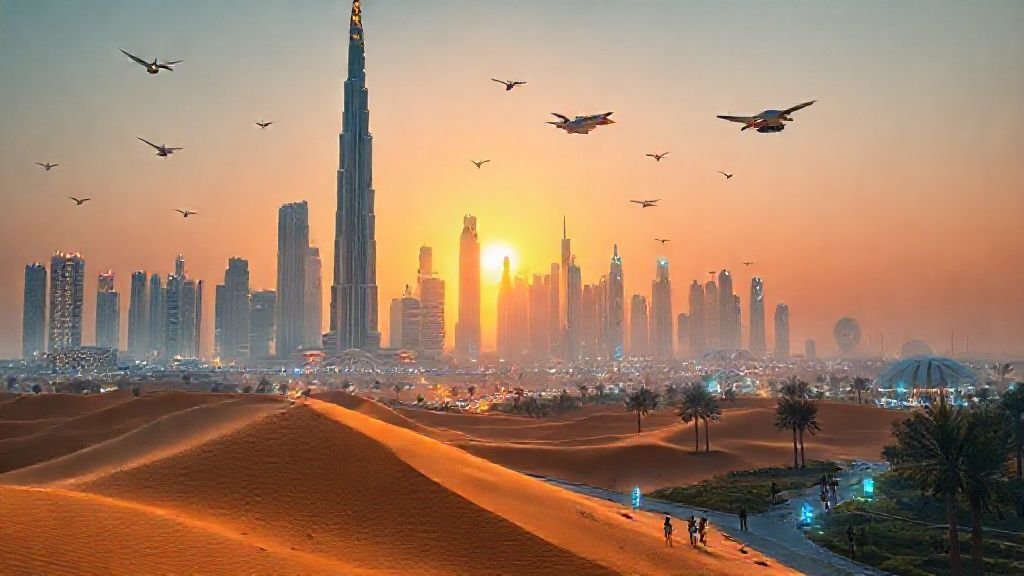
Dubai has always been a city that looks toward the future. From its iconic skyline to its ambitious plans for sustainability, the spirit of innovation is woven into every project. In 2025, the city is stepping into a new era where technology is not just a tool but a living system that powers everyday life, reshaping how residents work, travel, shop and connect.
1. The Birth of a Smart City
When most people think of a smart city, images of connected traffic lights, billboards that update in real time, and drones delivering packages come to mind. Dubai’s journey began with the Smart Dubai programme, which set out to create a city where digital services are delivered more efficiently and transparently. The programme’s core goals were:
- Digital identity for citizens and residents.
- Integrated data platform for city services.
- Smart infrastructure that adapts to real‑time needs.
- Encouragement of start‑ups and tech investment.
These pillars laid the groundwork for a city that can react to the needs of its people instantly, making daily life smoother and more rewarding. This foundation also helped launch a wave of projects that pushed Dubai ahead of the global curve.
2. Artificial Intelligence Takes the Driver’s Seat
Artificial Intelligence (AI) has become the engine behind many of Dubai’s newest achievements. From predictive policing that helps keep streets safe to AI‑powered logistics that reduce delivery times, the technology is changing every sector.
Transportation and Mobility
The Dubai Metro’s robots now run maintenance checks without human intervention. Autonomous buses navigate the sidewalks, delivering passengers between business districts with minimal delays.
Healthcare Revolution
AI algorithms predict potential health risks based on lifestyle and genetic data, allowing doctors to intervene early. Virtual consultations powered by AI chatbots provide instant medical advice, freeing up specialists for complex cases.
Public Safety and Law Enforcement
Machine‑learning models detect unusual crowd movements and highlight potential security threats before they grow. Law‑enforcement drones patrol the city, ensuring that emergency response is swift and efficient.
By embedding AI into everyday services, Dubai turns its metropolis into a responsive organism that learns and grows with its people.
3. Blockchain: The Invisible Ledger of Modern Life
While blockchain has made headlines in finance, its real power lies in its transparency and security. Dubai has leveraged the technology to create tamper‑proof systems across government, healthcare, and logistics.
One notable example is the Digital Health Pass—an immutable record that tracks vaccination, medical history, and health alerts. Similarly, property transactions are recorded on a blockchain, cutting down paperwork and fraud while speeding up closing times.
These applications not only add value for the government but also provide a sense of trust for residents and investors alike.
4. The Architecture of Tomorrow: Smart Skyscrapers and Infrastructure
Dubai’s skyline is home to more than just office space; it is a living laboratory for sustainable design. Buildings now incorporate:
- Energy Harvesting Windows: Transparent solar panels that provide electricity to the building’s systems.
- Responsive Facades: Skin that adjusts to sunlight and temperature, keeping interiors comfortable while lowering energy usage.
- Water Recycling Systems: On‑site purification that reduces municipal water demand.
These features not only reduce carbon footprints but also lower operational costs, making high‑rise living accessible to a wider audience.
5. Technology Hubs and the Start‑up Ecosystem
The city’s growth is driven partly by its vibrant ecosystem for technology start‑ups. Numerous incubators provide mentorship, financing, and access to venture capital. Key areas of focus include:
- FinTech solutions simplifying banking for the cloud‑native generation.
- EdTech platforms that bring personalized learning to anyone on the move.
- HealthTech that integrates wearable data with AI diagnostics.
- Supply chain technology creating end‑to‑end traceability.
Dubai’s open data initiatives give start‑ups a wealth of information—making it easier to test and scale products that fit the local market and can also export worldwide.
6. The Human Touch: Building Tech Culture
Innovation is only as good as the people behind it. Dubai invests heavily in human capital: from schools teaching coding from kindergarten to higher‑education programmes that put AI and blockchain at the forefront.
Workshops lead residents to create their own mini‑projects, giving them a sense of ownership over the urban digital narrative. These efforts foster a public appetite for technology, ensuring that the next wave of ideas will come from diverse voices.
7. Looking Ahead: What Lies Beyond 2025?
The ambition never stops. While 2025 has delivered massive strides, the sights are now set on a more interconnected yet sustainable system.
- Zero‑carbon buildings enabled by nanomaterials.
- Hyper‑fast transport links into the desert, turning islands into bustling hubs.
- Advanced AI that helps residents live healthier lifestyles by predicting needs.
- Fully autonomous commercial districts where order and efficiency thrive.
These future projects are based on data collected in real time, meaning the city can adapt quickly to changing aspirations.
Dubai’s transformation demonstrates how creating a digital ecosystem, backed by supportive policy, can accelerate progress for all residents and set a global example for future city planning.
Want to read more about how Dubai is turning skyscrapers into AI hubs? Explore our story on skyscraper AI transformation.
Curious how the city’s smart system uses AI and blockchain to improve everyday life? Dive into the pulse of Dubai’s tech evolution.
Still wondering how visionary dreams turned into a reality of smart cities and AI? Discover the journey of Dubai’s tech pulse.


Looking for a GCS Crypto Currency Licence and Registration in Dubai?

Best Crypto currency license Services in Dubai

Dubai 2025: The Tech Revolution Unveiled – From Smart Cities to AI‑Driven Innovation

Top 10 Highest-Paying Jobs in Dubai for 2024-25

How Much Does It Cost to Open a Company in Dubai in 2024?

Top 10 Business Opportunities in Dubai for 2024-2025
-

 Business2 years ago
Top 10 Highest-Paying Jobs in Dubai for 2024-25
-
Business2 years ago
How Much Does It Cost to Open a Company in Dubai in 2024?
-
Business2 years ago
Top 10 Business Opportunities in Dubai for 2024-2025
-
Business2 years ago
Best upcoming exhibitions and trade shows in Dubai, 2024
-
Blog2 years ago
Places to Visit in Ras Al Khaimah
-
Accounting & Auditing12 months ago
Top Strategies for Smart Real Estate Investment in Dubai
-
Sports2 years ago
Top 5 Upcoming International Sporting Events in Dubai (2024-2025)
-
Latest1 year ago
Dubai Golden Visa 2025: Everything You Need to Know About Eligibility, Benefits and Application Process