
Blog
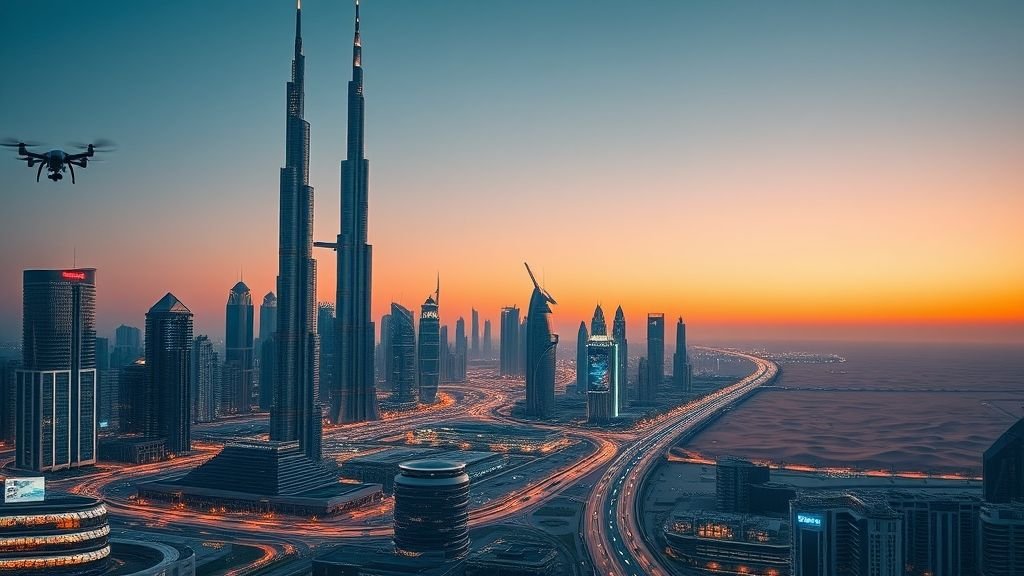
Dubai: The Future Tech Hub – How Innovation Is Shaping Tomorrow

- /home/u134898463/domains/explore-dubai.com/public_html/wp-content/plugins/mvp-social-buttons/mvp-social-buttons.php on line 27
https://explore-dubai.com/wp-content/uploads/2025/10/a-hyperrealistic-high-resolution-editorial-shot-of-dubais-skyline-at-twilight-featuring-the-iconi-1000x576.jpg&description=Dubai: The Future Tech Hub – How Innovation Is Shaping Tomorrow', 'pinterestShare', 'width=750,height=350'); return false;" title="Pin This Post">
- Share
- Tweet /home/u134898463/domains/explore-dubai.com/public_html/wp-content/plugins/mvp-social-buttons/mvp-social-buttons.php on line 72
https://explore-dubai.com/wp-content/uploads/2025/10/a-hyperrealistic-high-resolution-editorial-shot-of-dubais-skyline-at-twilight-featuring-the-iconi-1000x576.jpg&description=Dubai: The Future Tech Hub – How Innovation Is Shaping Tomorrow', 'pinterestShare', 'width=750,height=350'); return false;" title="Pin This Post">
Dubai has long been known for its bold skyline and ambitious projects, but its biggest leap is happening behind the glass of its tech labs and data centers. In the past decade the city transformed from a trading port into a global hotspot for artificial intelligence, smart city solutions, and blockchain research. Today, investors, entrepreneurs, and students are finding that the UAE’s capital is not only a safe place to do business but also a fertile ground for ideas that could change the world. In this post we walk through the key pillars of Dubai’s tech boom, show how the government and the private sector work hand‑in‑hand, and give you a sense of where the next big thing might appear. Along the way we’ll point you to a few stories that dive deeper into the city’s evolving digital pulse.
Dubai’s Strategic Vision: Smart City Blueprint 2030
The city’s Smart Dubai initiative is the framework that guides everything from autonomous buses to digital health platforms. The Vision 2030 roadmap commits to 100% renewable energy, all‑electric vehicle fleets, and city‑wide smart infrastructure that reacts to residents’ needs in real time. At the heart of the program is an open‑data policy that encourages third‑party developers to build solutions on top of the public sector’s own services. This collaborative culture has produced a lively ecosystem of thousands of apps dealing with everything from traffic optimisation to waste tracking. When you travel across Dubai, you’ll notice that most of the city’s services are now accessed through a single digital portal, simplifying what was once a cumbersome bureaucracy.
Powerful Public-Private Partnerships Fuel the Growth
Dubai’s success is largely built on well‑structured partnerships between the government, universities, venture capital firms, and international tech giants. The Dubai Technology with Entrepreneurship Center (DTEC) serves as a joint venture between the Dubai Chamber, the Ministry of Communications, and the Dubai Holding Group. It offers incubation space, mentorship, and seed funding to start‑ups that meet the city’s criteria for sustainability and job creation. These collaborations are not one‑off; they form a continuous loop where innovation is tested in pilots and then scaled across the metropolitan area. The result has been a steady inflow of foreign talent and capital that feeds into the city’s high‑tech industry.
Artificial Intelligence: From Concept to Commerce
AI is often the headline technology in Dubai, but its real-world applications are more varied than most imagine. In the health sector, AI‑driven diagnostic tools have reduced patient waiting times by 30%. In retail, predictive analytics help stock managers ensure shelves are always stocked with high‑demand items. The government is also experimenting with AI-driven customer service bots on public transport apps. Even the city’s water‑management system uses machine learning to predict consumption spikes and prevent shortages. Dubai’s AI approach is practical, measurable, and directly tied to everyday convenience for residents and visitors alike.
Blockchain & FinTech – Turning Transactions into Trust
Dubai is home to the Dubai Blockchain Strategy, which aims to integrate blockchain on a city‑wide scale by 2025. This vision extends to financial services, where secure, immutable ledgers are lowering the cost of cross‑border payments and making digital identity provision more reliable. The technology has also facilitated the launch of “Dubai Credits,” a tokenised payment system used in several city malls and public transport networks. Beyond finance, blockchain helps track the provenance of high‑value goods in the tourism sector, giving travelers safety and assurance when purchasing souvenirs or luxury items. The success of these initiatives has attracted several international FinTech clusters to locate their regional headquarters in the city.
Robotics & Automation: Redefining Urban Logistics
Dubai has embraced robotics in ways that bring tangible benefits to citizens and businesses alike. Drone delivery pilots now allow urgent medical supplies to reach critical patients quickly, cutting delivery times from hours to minutes in congested areas. Autonomous trucks are being trialed on the outskirts of the free zone, handling large blocks of shipments with efficiency and minimal human intervention. Many retail outlets have installed in‑store robots that handle restocking, thereby freeing staff to focus on customer service. As a result, the city’s logistics footprint has become smaller, faster, and less energy‑intensive, contributing to its broader sustainability targets.
Education & Talent Development – The Human Foundation
Dubai has invested heavily in building a workforce that can match the city’s tech ambitions. The University of Dubai’s College of Engineering and the Dubai Future Accelerators program attract international students and researchers worldwide. These institutions regularly collaborate with industry partners to co‑create research that goes straight into the market. The government’s Visa for Talent program further ensures that skilled professionals from globally competitive industries can relocate to Dubai, bringing fresh ideas and expertise. Internally, corporate mentorship schemes pair young engineers with seasoned tech leaders, creating a pipeline that keeps the city’s innovation engine well‑fueled.
Internet of Things (IoT) – The Nervous System of a Market Town
A city of steel and glass is alive with sensors. Every street lamp, every taxi door, and every public kiosk is equipped with IoT modules that share data continuously. The resulting network can listen for unusual patterns—like sudden spikes in traffic—or provide real‑time energy consumption reports to the city’s management system. The IoT infrastructure enhances safety by enabling quicker emergency responses and reducing traffic congestion. For residents and travelers, the benefits translate into fewer delays, better parking availability, and a smoother commuting experience. By making Dubai visibly smarter, the city boosts its attractiveness to businesses that rely on reliable infrastructure.
5G Rollout – A New Speed Frontier
Dubai’s first commercial 5G services went live in 2021, and the rollout has accelerated since then. The network’s ultra‑low latency and massive bandwidth open up possibilities ranging from remote surgery to advanced gaming experiences. In the construction industry, 5G supports real‑time monitoring of building materials and safety compliance, reducing downtime and accident rates. For the consumer market, it offers smoother video streaming and quicker downloads. The city’s strategic partnership with leading telecom operators ensures that 5G infrastructure reaches even the most remote districts, embodying Dubai’s commitment to equal digital access.
Sustainable Tech – Green Energy and Circular Models
Dubai’s ambitious climate goals are paired with a commitment to clean technology. The city is pioneering solar microgrids that allow buildings to generate and share their own electricity. In the waste‑management arena, AI-powered sorting facilities separate recyclables with high precision, dramatically increasing material recovery rates. The Dubai Solar Park is one of the world’s largest, contributing clean power to both the grid and residential developers. The focus on circular economics means that the city aims to turn waste into raw material for new products, reducing landfill use and ensuring the longevity of its resource base.
Start‑up Scene – A Nurturing Ecosystem
Dubai’s 10‑least‑established startup hubs host more than 2,000 active companies, many of which are working on breakthrough technologies. The city offers a loop of support: seed funding, mentorship, coworking space, and networking events. The free‑zone laws allow 100% foreign ownership with minimal red tape, making it a cheap and attractive place to launch a venture. Dubai’s “Zero‑Tax Zone” provides an environment where startups can survive its early phases without the pressure of local corporate taxes, keeping innovations alive for longer.
Investing in Dubai – The Financial Outlook
Financial institutions in Dubai have adapted to the new tech-driven economy. Digital banking platforms process billions of transactions with near‑real‑time risk detection. Hedge funds increasingly back tech start‑ups that provide AI‑based trading algorithms or blockchain solutions for cross‑border payments. According to recent reports, the city’s venture capital inflows have grown by 25% year‑over‑year, a sign that investors are confident in Dubai’s long‑term tech potential.
Future Trends – What’s on the Horizon?
The timeline for Dubai’s tech future points toward more integration between physical and digital realms. Autonomous taxis, smart buildings that self‑adjust climate settings, and quantum computing facilities may become commonplace in the next decade. Human‑centric design will continue to prioritize accessibility and affordability, ensuring that no digitization wave leaves anyone behind. In addition, the city’s nuclear research facilities are exploring fusion as a theoretical energy solution, signalling its readiness to explore even the most unconventional frontiers.
Connecting the Dots – Where to Dive Deeper
If you’d like to learn more about Dubai’s tech evolution, you can read Dubai’s Tech Landscape: Rethinking Innovation in 2025 to see how the city is reshaping tech policy. For a forward‑looking look at the city’s focus on smart solutions, the Dubai’s Tech Transformation: Journey Through Smart Cities and AI offers a great case study on local projects. And for anyone curious about how the city’s tech pulse is influencing everyday life, the Dubai’s Tech Pulse: What’s Driving the Innovation Scene in 2025 provides insider insights into the next wave of consumer products and services.
Conclusion – Dubai’s Role in the Global Tech Landscape
Dubai’s journey from a trading crossroads to a global technology hub proves that ambition, paired with collaborative effort, can rapidly reshape a city’s destiny. With an established smart city framework, robust public‑private partnerships, and a commitment to sustainability, Dubai is setting new standards for what urban technology can achieve. Whether you are an entrepreneur, an investor, or just someone fascinated by future‑forward cities, Dubai provides a living laboratory where ideas are turned into real, tangible impact. It’s clear that the city’s best days are still ahead.

Veikkaus Voittaa Unibetin Pelivalikoimalla
Suomen rahapelimarkkinat ovat kokeneet viime vuosina melkoisen mullistuksen, ja yksi suurimmista puheenaiheista on, kumpi tarjoaa pelaajille enemmän: kotimainen Veikkaus vai ulkomainen jätti Unibet. Unibet on pitkään houkutellut suomalaisia pelaajia laajalla kansainvälisellä tarjonnallaan, mutta nyt tilanne on kääntymässä päälaelleen. Veikkaus on viime aikoina laajentanut ja uudistanut pelivalikoimaansa sellaisella vauhdilla, että se voittaa Unibetin omassa pelissään. Jos haluat itse kokea tämän uuden ajan, suosittelen vilkaisemaan osoitetta http://unibetfi.com vertailun vuoksi – mutta varoituksen sana: saatat yllättyä, kuinka paljon enemmän Veikkauksella on nykyään tarjottavaa.
Kun vertaamme Veikkausta ja Unibetiä, ensimmäinen huomio koskee pelien määrää ja laatua. Unibet on tunnettu tuhansista nettikasino-peleistä, urheiluvedonlyönnistä ja live-kasinosta, mutta Veikkaus on viime vuosina ottanut jättiharppauksia eteenpäin. Veikkaus on nyt tuonut valikoimaansa satoja uusia kolikkopelejä, live-pöytäpelejä ja interaktiivisia pelikokemuksia, jotka kilpailevat suoraan Unibetin kanssa. Monet pelaajat ovat hämmästyneitä, kun he huomaavat, että Veikkauksen pelikirjasto sisältää nykyään monia samoja hittipelejä, joita on aiemmin pidetty yksinomaan ulkomaisten toimijoiden hallussa.
Toinen keskeinen ero liittyy käyttökokemukseen ja turvallisuuteen. Veikkaus on suomalainen yhtiö, jota valvoo tiukasti Suomen valtio. Se tarkoittaa, että kaikki pelit ovat täysin säänneltyjä, turvallisia ja vastuullisia. Unibet toimii ulkomailla, kuten Maltalla, ja vaikka sekin on lisensoitu, suomalaiselle pelaajalle Veikkaus tarjoaa konkreettista mielenrauhaa: voitot ovat verovapaita, ongelmapelaamiseen on apua tarjolla, ja rahansiirrot toimivat kotimaisten pankkien kautta mutkattomasti. Veikkaus on siis luotettavuudessa ylivoimainen.
Kolmas merkittävä etu on suomenkielinen asiakaspalvelu ja paikallinen ymmärrys. Veikkauksen asiakaspalvelu palvelee suomeksi, ruotsiksi ja englanniksi, ja se tunnistaa suomalaisen pelaajan tarpeet. Unibetin asiakaspalvelu on usein englanninkielinen tai konekääntämää suomea, mikä voi aiheuttaa väärinkäsityksiä. Veikkaus ymmärtää, että suomalaiset arvostavat sujuvuutta ja selkeyttä – ja se näkyy kaikessa.
Neljänneksi, Veikkaus on kehittänyt mobiilipelaamistaan niin, että se soveltuu täydellisesti arkeen. Voit pelata suosikkipelejäsi älypuhelimella tai tabletilla missä tahansa, ja sovellus on erittäin intuitiivinen. Unibetilläkin on mobiilisovellus, mutta Veikkaus on panostanut erityisesti helppokäyttöisyyteen ja nopeuteen – sovellus latautuu salamana ja pelit pyörivät sulavasti myös vanhemmilla laitteilla.
Yhteenvetona voidaan todeta, että Veikkaus on todella noussut haastajasta voittajaksi. Unibetillä on edelleen paikkansa, mutta päivitetyssä vertailussa Veikkaus vie voiton monilla osa-alueilla. Tässä on muutamia keskeisiä etuja:
- Laajempi pelivalikoima – satoja uusia kolikkopelejä, live-kasinopelejä ja urheiluvedonlyöntiä
- Turvallisuus – valvottu, suomalainen lisenssi, verovapaat voitot
- Paikallinen palvelu – suomenkielinen tuki ja ymmärrys suomalaisista tavoista
- Mobiilioptimointi – nopea ja sulava sovellus kaikille laitteille
- Vastuullinen pelaaminen – työkalut ja tuki ongelmapelaamisen ehkäisyyn
Katsotaanpa vielä pientä vertailua käytännön esimerkein. Alla oleva taulukko havainnollistaa keskeisimpiä eroja.
| Ominaisuus | Veikkaus | Unibet |
|---|---|---|
| Pelien määrä | Laaja, jatkuvasti kasvava | Laaja, mutta vähemmän uutuuksia |
| Lisenssi ja valvonta | Suomen valtion tiukka valvonta | Ulkomainen lisenssi (Malta) |
| Voittojen verotus | Verovapaa | Verotettava (Suomessa asuvalle) |
| Asiakaspalvelu suomeksi | Kyllä, täysi tuki | Rajoitettu, usein englanti |
| Mobiilisovelluksen laatu | Erinomainen, nopea | Hyvä, mutta ei yhtä optimoitu |
Kaiken kaikkiaan on selvää, että Veikkaus on tänä päivänä erittäin varteenotettava vaihtoehto, ja monella mittarilla se jopa ohittaa Unibetin. Tämä ei tarkoita, etteikö Unibetillä olisi omia vahvuuksiaan – erityisesti live-vedonlyönnissä ja kansainvälisissä bonuksissa – mutta kokonaisvaltaisesti ajatellen Veikkaus tarjoaa paremman ja turvallisemman pelikokemuksen suomalaiselle käyttäjälle.
Usein kysytyt kysymykset
Onko Veikkauksen pelivalikoima todella yhtä laaja kuin Unibetin?
Kyllä, viime vuosina Veikkaus on laajentanut valikoimaansa merkittävästi, ja se kattaa nykyään suosituimmat kolikkopelit, live-kasinopelit, pöytäpelit ja urheiluvedonlyönnin. Unibetillä on edelleen enemmän niche-pelejä, mutta Veikkaus pärjää hyvin vertailussa.
Ovatko Veikkauksen voitot verovapaita aina?
Kyllä, kaikki Veikkauksen pelivoitot ovat täysin verovapaita Suomessa. Tämä koskee kaikkia pelejä, eikä sinun tarvitse ilmoittaa voittoja verottajalle.
Voiko Veikkausia käyttää ulkomailla?
Veikkauksen palvelut on tarkoitettu pääasiassa Suomessa asuville pelaajille. Jos oleskelet ulkomailla, palveluiden käyttö voi olla rajoitettua, ja sinun kannattaa tarkistaa paikalliset lait.
Miten Veikkaus eroaa vastuullisuudessa Unibetistä?
Veikkaus on osa Suomen valtion omistamaa yhtiötä, jolla on vahvat vastuullisuusohjelmat. Tarjolla on muun muassa pelirajat, omat tappiorajat, tauot ja mahdollisuus sulkea itsensä pois pelaamisesta. Unibetillä on vastaavia työkaluja, mutta Veikkauksen järjestelmät ovat tiukemmin valvottuja ja suomalaisille räätälöityjä.
Onko Veikkauksen mobiilisovellus ilmainen?
Kyllä, Veikkauksen mobiilisovellus on täysin ilmainen lataa ja käyttää. Se on saatavilla App Storesta ja Google Playsta, ja se toimii hyvin suomalaisissa verkoissa.
Denna recension ger den grundläggande information som polska spelare vanligtvis letar efter när de utvärderar ett online casino. Säkerhetsåtgärder inkluderar SSL-kryptering för alla transaktioner, medan vår flerspråkiga support dygnet runt erbjuder hjälp via livechatt och e-postkanaler. Dessa poäng omvandlas direkt till kontantbonusar med tydligt definierade konverteringskurser, som förbättras med statusnivå. (more…)
Les points s’accumulent et font monter de palier. Limites de retrait plus élevées, cashback renforcé, invitations à des événements. Chaque mise rapporte des points — et les points débloquent des privilèges concrets. Reload, cashback, tournois — les offres tournent chaque semaine. Le bonus de bienvenue est généreux, mais ce n’est pas tout. (more…)

Retraits sécurisés sur Spins of Glory : ce que vous devez savoir
BillyBets casino: le migliori slot e come massimizzare i tuoi guadagni
VoltSlot Casino welkomspakket: zo haal je het meeste uit je eerste storting

Top 10 Highest-Paying Jobs in Dubai for 2024-25

How Much Does It Cost to Open a Company in Dubai in 2024?

Top 10 Business Opportunities in Dubai for 2024-2025
-
 Business2 years ago
Top 10 Highest-Paying Jobs in Dubai for 2024-25
-
 Business2 years ago
How Much Does It Cost to Open a Company in Dubai in 2024?
-
 Business3 years ago
Top 10 Business Opportunities in Dubai for 2024-2025
-

 Business2 years ago
Best upcoming exhibitions and trade shows in Dubai, 2024
-
 Blog2 years ago
Places to Visit in Ras Al Khaimah
-
Accounting & Auditing1 year ago
Top Strategies for Smart Real Estate Investment in Dubai
-

 Sports3 years ago
Top 5 Upcoming International Sporting Events in Dubai (2024-2025)
-
 Latest1 year ago
Dubai Golden Visa 2025: Everything You Need to Know About Eligibility, Benefits and Application Process