
Blog
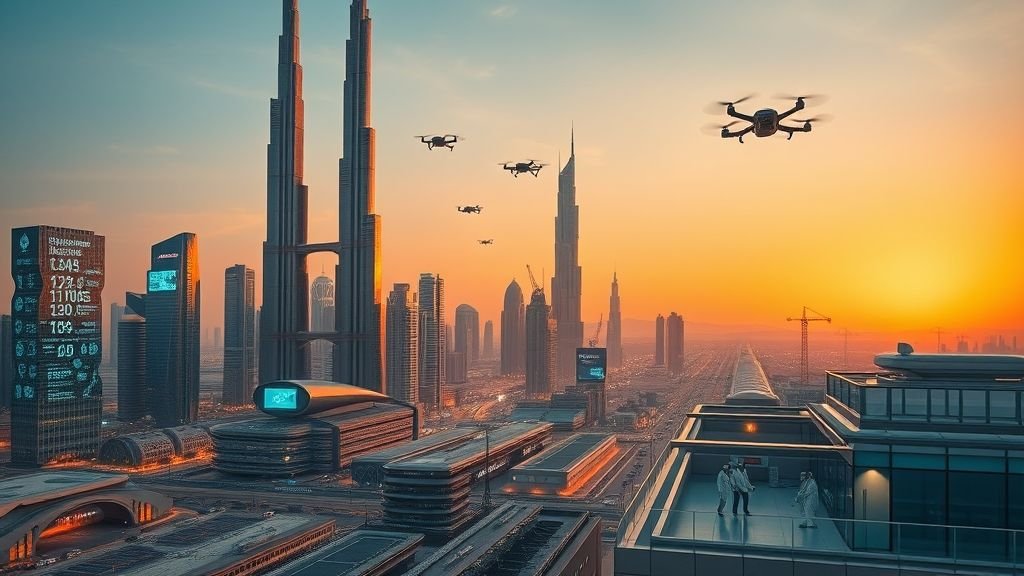
Dubai’s Tech Boom: How the City is Turning Science into Everyday Reality

- /home/u134898463/domains/explore-dubai.com/public_html/wp-content/plugins/mvp-social-buttons/mvp-social-buttons.php on line 27
https://explore-dubai.com/wp-content/uploads/2025/10/futuristic-dubai-skyline-at-sunset-soaring-skyscrapers-like-burj-khalifa-and-world-trade-centre-wit-1000x576.jpg&description=Dubai’s Tech Boom: How the City is Turning Science into Everyday Reality', 'pinterestShare', 'width=750,height=350'); return false;" title="Pin This Post">
- Share
- Tweet /home/u134898463/domains/explore-dubai.com/public_html/wp-content/plugins/mvp-social-buttons/mvp-social-buttons.php on line 72
https://explore-dubai.com/wp-content/uploads/2025/10/futuristic-dubai-skyline-at-sunset-soaring-skyscrapers-like-burj-khalifa-and-world-trade-centre-wit-1000x576.jpg&description=Dubai’s Tech Boom: How the City is Turning Science into Everyday Reality', 'pinterestShare', 'width=750,height=350'); return false;" title="Pin This Post">
Dubai has long been known for its super‑tall skyscrapers, luxury hotels, and vibrant nightlife. What many people don’t realize is that beneath that dazzling exterior lies a bustling ecosystem of technology that is reshaping everything from transportation to retail to personal security. If you’ve ever wondered how the city’s smart city initiatives, booming start‑up scene, or cutting‑edge innovations work in practice, this post is for you.
Why Technology Matters in Dubai
Dubai’s government has set a clear agenda: make the city a global hub for innovation and sustainability. This means investing in next‑generation infrastructure, nurturing start‑ups, and encouraging businesses that can drive economic growth and improve quality of life for residents and visitors alike.
The result is a multi‑layered ecosystem where data is captured in real time, artificial intelligence powers services, and blockchain is used for secure transactions. In short, technology is on every corner—from the Dubai Metro’s real‑time crowd monitoring to the smart air‑conditioners that adjust temperature based on weather forecasts.
Smart Roads, Smart Cars, Smart Streets
- Autonomous Vehicles: Dubai’s Roads Team is field‑testing autonomous cars that can navigate city traffic without drivers. The goal is to reduce accidents and improve traffic flow.
- Smart Traffic Signals: Sensors detect vehicle flow and adjust signal timings automatically, cutting commute times by up to 20 % during peak hours.
- Connected Pedestrian Zones: Public spaces are equipped with Wi‑Fi, charging stations, and interactive information panels that help visitors find nearby attractions or navigate the city.
Digital Finance and Blockchain
Dubai is pioneering the use of distributed ledger technology for finance. The Dubai International Financial Centre (DIFC) launched a blockchain platform to streamline trade settlement, while crypto‑assets are regulated through a comprehensive legal framework. These efforts help attract fintech firms and position Dubai as a centre for digital finance.
Smart Homes and Living Spaces
Living in Dubai can now feel like stepping into the future. Smart homes are equipped with voice‑activated assistants, automated lighting, and real‑time climate control. Blockchain identity verification helps secure access to doors, elevators, and shared spaces, making security both seamless and tamper‑proof.
Dubai’s Thriving Tech Scene
The city is home to a fast‑growing ecosystem that supports start‑ups, research institutions, and global tech giants. The Dubai Design District (d3) and Silicon Oasis are hubs where developers, designers, and engineers collaborate on cutting‑edge projects.
Local universities – like the American University in Dubai – offer programs in computer science, AI, and data analytics, forming pipelines of talent that feed the local industry. Meanwhile, the Dubai Future Accelerators program connects companies with the government’s policy makers and digital infrastructure to launch projects that go from concept to market quickly.
If you’re curious to dive deeper into Dubai’s tech migrations, you might want to read Exploring Dubai’s Thriving Tech Scene: Innovations Shaping the Future, which offers a detailed overview of major tech hubs, innovation labs, and successful start‑ups that have sprung up in the city.
Six Essential Technologies Shaping Everyday Life
While Dubai is indulging in a variety of high tech, a few core technologies are especially influential on a daily basis. These resonate across the broader Middle East and help make everyday tasks smoother and more efficient.
- Artificial Intelligence (AI) & Machine Learning (ML)
- AI is used in customer service chatbots, predictive maintenance for public transport, and even in security systems that can detect unusual behaviour on the street.
- Machine learning models analyse traffic, weather, and human patterns to improve city planning.
- Internet of Things (IoT)
- From smart streetlights that dim down after dark to sensors in the Dubai Metro that monitor water leaks, IoT connects devices to create a responsive environment.
- Blockchain & Distributed Ledger
- Beyond finance, blockchain verifies ownership of digital assets, protects personal data, and ensures secure data sharing between hospitals and clinics.
- 5G Wireless Networks
- High‑speed 5G connectivity supports autonomous vehicles, remote surgeries, and ultra‑smooth video streaming for business meetings.
- Cloud Computing & Edge Processing
- Cloud platforms store and process crucial data for everything from traffic management to energy usage. Edge computing pushes computing power closer to the data source, reducing latency.
- Advanced Robotics & Drones
- Robots handle hazardous tasks in manufacturing, while drones deliver packages, survey properties, and monitor environmental conditions.
A deep dive into each of these technologies is available at Exploring the 6 Essential Types of Technology Impacting Daily Life in the UAE, where you’ll find practical examples of how they help residents and businesses.
Starting a Technology Company in Dubai
If you’re thinking of launching your own tech start‑up, Dubai offers a regulatory framework designed to make this as straightforward as possible. The city’s free zones provide 100 % ownership, tax incentives, and streamlined licensing processes.
One of the most popular options is the Dubai Silicon Oasis, which houses a technology and innovation cluster. Here, companies can tap into a ready‑made talent pool and collaborate with research institutions.
Key steps include:
- Choose Your Free Zone: Each free zone caters to different industries. For example, the Dubai Internet City focuses on ICT, while the Dubai Media City is geared towards media and entertainment.
- Business Name & Registration: You’ll need to register a company name and submit a Memorandum of Association, though the paperwork is largely digital.
- Legal License: A technology license covers software development, data analytics, and AI research. Certain licenses may require a local sponsor or a minimum capital.
- Office Space: Many free zones provide pre‑furnished offices that include high‑speed internet and 24/7 security.
- Visa and Workforce: You can sponsor employees and obtain work visas. The city also offers “tech talent visa” programs to streamline hiring.
- Funding and Incentives: From Dubai’s Fund of Technology and Innovation to venture capital firms like Emirates Venture Partners, you have multiple funding options.
For step‑by‑step instructions and insider tips, you can read How to Start a Technology Company in Dubai, which outlines every requirement from licensing through to staff visas.
Common Challenges
- Regulatory Hurdles: While Dubai is business‑friendly, some technology fields – especially AI and blockchain – still have emerging regulatory guidelines.
- Talent Shortage: Talent is plentiful, but finding experts in niche skills like quantum computing or ethical AI can be a challenge.
- Competition: The tech scene is crowded, so carving out a niche and securing a unique value proposition is key.
Future Outlook: A City of Smart Possibilities
Dubai is poised to become a leading human‑tech city. The government’s Long‑Term Vision 2025 includes plans to increase its digital nomad population to 200,000 and to double its smart city contributions to the GDP.
Key trends that are likely to dominate include AI‑driven supply chains for e‑commerce, design thinking labs where start‑ups test a dozen prototypes in weeks, and policy‑first approaches that allow new tech to fly without being stalled by bureaucracy. The city will also continue to push for green technology, magnifying its reputation as a sustainability leader.
To stay ahead of the curve, aspiring entrepreneurs should network with local incubators and attend tech conferences. Events such as the Dubai Sports Tech Summit bring together tech minds from across the region.
Conclusion
Dubai’s blend of advanced infrastructure, government support, and a vibrant start‑up culture makes it a hotspot for technology innovation. Whether you’re a local looking to create a new app, a seasoned developer eyeing the next big market, or simply a citizen fascinated by how everyday life is being transformed, the city offers endless possibilities.
From autonomous vehicles that circulate the streets to AI assistants that schedule your day, technology is woven into the urban fabric. And with the free zones offering a friendly haven for start‑ups, there’s never been a better time to explore Dubai’s tech frontiers. Dive in, join the conversation, and be part of shaping the future of this cutting‑edge city.
For more insights on how to turn your tech ideas into reality, check out How to Start a Technology Company in Dubai and other related resources on the Explore Dubai blog.

Veikkaus Voittaa Unibetin Pelivalikoimalla
Suomen rahapelimarkkinat ovat kokeneet viime vuosina melkoisen mullistuksen, ja yksi suurimmista puheenaiheista on, kumpi tarjoaa pelaajille enemmän: kotimainen Veikkaus vai ulkomainen jätti Unibet. Unibet on pitkään houkutellut suomalaisia pelaajia laajalla kansainvälisellä tarjonnallaan, mutta nyt tilanne on kääntymässä päälaelleen. Veikkaus on viime aikoina laajentanut ja uudistanut pelivalikoimaansa sellaisella vauhdilla, että se voittaa Unibetin omassa pelissään. Jos haluat itse kokea tämän uuden ajan, suosittelen vilkaisemaan osoitetta http://unibetfi.com vertailun vuoksi – mutta varoituksen sana: saatat yllättyä, kuinka paljon enemmän Veikkauksella on nykyään tarjottavaa.
Kun vertaamme Veikkausta ja Unibetiä, ensimmäinen huomio koskee pelien määrää ja laatua. Unibet on tunnettu tuhansista nettikasino-peleistä, urheiluvedonlyönnistä ja live-kasinosta, mutta Veikkaus on viime vuosina ottanut jättiharppauksia eteenpäin. Veikkaus on nyt tuonut valikoimaansa satoja uusia kolikkopelejä, live-pöytäpelejä ja interaktiivisia pelikokemuksia, jotka kilpailevat suoraan Unibetin kanssa. Monet pelaajat ovat hämmästyneitä, kun he huomaavat, että Veikkauksen pelikirjasto sisältää nykyään monia samoja hittipelejä, joita on aiemmin pidetty yksinomaan ulkomaisten toimijoiden hallussa.
Toinen keskeinen ero liittyy käyttökokemukseen ja turvallisuuteen. Veikkaus on suomalainen yhtiö, jota valvoo tiukasti Suomen valtio. Se tarkoittaa, että kaikki pelit ovat täysin säänneltyjä, turvallisia ja vastuullisia. Unibet toimii ulkomailla, kuten Maltalla, ja vaikka sekin on lisensoitu, suomalaiselle pelaajalle Veikkaus tarjoaa konkreettista mielenrauhaa: voitot ovat verovapaita, ongelmapelaamiseen on apua tarjolla, ja rahansiirrot toimivat kotimaisten pankkien kautta mutkattomasti. Veikkaus on siis luotettavuudessa ylivoimainen.
Kolmas merkittävä etu on suomenkielinen asiakaspalvelu ja paikallinen ymmärrys. Veikkauksen asiakaspalvelu palvelee suomeksi, ruotsiksi ja englanniksi, ja se tunnistaa suomalaisen pelaajan tarpeet. Unibetin asiakaspalvelu on usein englanninkielinen tai konekääntämää suomea, mikä voi aiheuttaa väärinkäsityksiä. Veikkaus ymmärtää, että suomalaiset arvostavat sujuvuutta ja selkeyttä – ja se näkyy kaikessa.
Neljänneksi, Veikkaus on kehittänyt mobiilipelaamistaan niin, että se soveltuu täydellisesti arkeen. Voit pelata suosikkipelejäsi älypuhelimella tai tabletilla missä tahansa, ja sovellus on erittäin intuitiivinen. Unibetilläkin on mobiilisovellus, mutta Veikkaus on panostanut erityisesti helppokäyttöisyyteen ja nopeuteen – sovellus latautuu salamana ja pelit pyörivät sulavasti myös vanhemmilla laitteilla.
Yhteenvetona voidaan todeta, että Veikkaus on todella noussut haastajasta voittajaksi. Unibetillä on edelleen paikkansa, mutta päivitetyssä vertailussa Veikkaus vie voiton monilla osa-alueilla. Tässä on muutamia keskeisiä etuja:
- Laajempi pelivalikoima – satoja uusia kolikkopelejä, live-kasinopelejä ja urheiluvedonlyöntiä
- Turvallisuus – valvottu, suomalainen lisenssi, verovapaat voitot
- Paikallinen palvelu – suomenkielinen tuki ja ymmärrys suomalaisista tavoista
- Mobiilioptimointi – nopea ja sulava sovellus kaikille laitteille
- Vastuullinen pelaaminen – työkalut ja tuki ongelmapelaamisen ehkäisyyn
Katsotaanpa vielä pientä vertailua käytännön esimerkein. Alla oleva taulukko havainnollistaa keskeisimpiä eroja.
| Ominaisuus | Veikkaus | Unibet |
|---|---|---|
| Pelien määrä | Laaja, jatkuvasti kasvava | Laaja, mutta vähemmän uutuuksia |
| Lisenssi ja valvonta | Suomen valtion tiukka valvonta | Ulkomainen lisenssi (Malta) |
| Voittojen verotus | Verovapaa | Verotettava (Suomessa asuvalle) |
| Asiakaspalvelu suomeksi | Kyllä, täysi tuki | Rajoitettu, usein englanti |
| Mobiilisovelluksen laatu | Erinomainen, nopea | Hyvä, mutta ei yhtä optimoitu |
Kaiken kaikkiaan on selvää, että Veikkaus on tänä päivänä erittäin varteenotettava vaihtoehto, ja monella mittarilla se jopa ohittaa Unibetin. Tämä ei tarkoita, etteikö Unibetillä olisi omia vahvuuksiaan – erityisesti live-vedonlyönnissä ja kansainvälisissä bonuksissa – mutta kokonaisvaltaisesti ajatellen Veikkaus tarjoaa paremman ja turvallisemman pelikokemuksen suomalaiselle käyttäjälle.
Usein kysytyt kysymykset
Onko Veikkauksen pelivalikoima todella yhtä laaja kuin Unibetin?
Kyllä, viime vuosina Veikkaus on laajentanut valikoimaansa merkittävästi, ja se kattaa nykyään suosituimmat kolikkopelit, live-kasinopelit, pöytäpelit ja urheiluvedonlyönnin. Unibetillä on edelleen enemmän niche-pelejä, mutta Veikkaus pärjää hyvin vertailussa.
Ovatko Veikkauksen voitot verovapaita aina?
Kyllä, kaikki Veikkauksen pelivoitot ovat täysin verovapaita Suomessa. Tämä koskee kaikkia pelejä, eikä sinun tarvitse ilmoittaa voittoja verottajalle.
Voiko Veikkausia käyttää ulkomailla?
Veikkauksen palvelut on tarkoitettu pääasiassa Suomessa asuville pelaajille. Jos oleskelet ulkomailla, palveluiden käyttö voi olla rajoitettua, ja sinun kannattaa tarkistaa paikalliset lait.
Miten Veikkaus eroaa vastuullisuudessa Unibetistä?
Veikkaus on osa Suomen valtion omistamaa yhtiötä, jolla on vahvat vastuullisuusohjelmat. Tarjolla on muun muassa pelirajat, omat tappiorajat, tauot ja mahdollisuus sulkea itsensä pois pelaamisesta. Unibetillä on vastaavia työkaluja, mutta Veikkauksen järjestelmät ovat tiukemmin valvottuja ja suomalaisille räätälöityjä.
Onko Veikkauksen mobiilisovellus ilmainen?
Kyllä, Veikkauksen mobiilisovellus on täysin ilmainen lataa ja käyttää. Se on saatavilla App Storesta ja Google Playsta, ja se toimii hyvin suomalaisissa verkoissa.
Denna recension ger den grundläggande information som polska spelare vanligtvis letar efter när de utvärderar ett online casino. Säkerhetsåtgärder inkluderar SSL-kryptering för alla transaktioner, medan vår flerspråkiga support dygnet runt erbjuder hjälp via livechatt och e-postkanaler. Dessa poäng omvandlas direkt till kontantbonusar med tydligt definierade konverteringskurser, som förbättras med statusnivå. (more…)
Les points s’accumulent et font monter de palier. Limites de retrait plus élevées, cashback renforcé, invitations à des événements. Chaque mise rapporte des points — et les points débloquent des privilèges concrets. Reload, cashback, tournois — les offres tournent chaque semaine. Le bonus de bienvenue est généreux, mais ce n’est pas tout. (more…)

Explore Costa Games: Trusted slot machines and quick payouts for UK players
GuineeGames: descubre los mejores bonos y promociones para 2026
Veikkaus Voittaa Unibetin Pelivalikoimalla

Top 10 Highest-Paying Jobs in Dubai for 2024-25

How Much Does It Cost to Open a Company in Dubai in 2024?

Top 10 Business Opportunities in Dubai for 2024-2025
-
 Business2 years ago
Top 10 Highest-Paying Jobs in Dubai for 2024-25
-
 Business2 years ago
How Much Does It Cost to Open a Company in Dubai in 2024?
-
 Business3 years ago
Top 10 Business Opportunities in Dubai for 2024-2025
-

 Business2 years ago
Best upcoming exhibitions and trade shows in Dubai, 2024
-

 Blog2 years ago
Places to Visit in Ras Al Khaimah
-
Accounting & Auditing1 year ago
Top Strategies for Smart Real Estate Investment in Dubai
-

 Sports3 years ago
Top 5 Upcoming International Sporting Events in Dubai (2024-2025)
-
 Latest1 year ago
Dubai Golden Visa 2025: Everything You Need to Know About Eligibility, Benefits and Application Process