Blog
Dubai’s Tech Revolution: From Smart Cities to AI‑Powered Futures

- /home/u134898463/domains/explore-dubai.com/public_html/wp-content/plugins/mvp-social-buttons/mvp-social-buttons.php on line 27
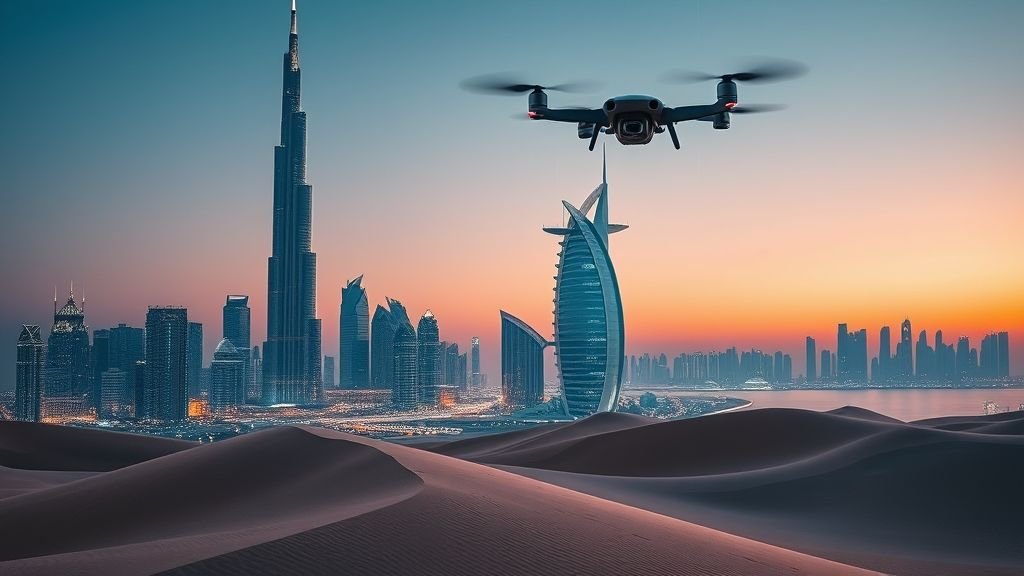
https://explore-dubai.com/wp-content/uploads/2025/10/dubai-skyline-at-dusk-featuring-the-burj-khalifa-burj-al-arab-and-the-palm-jumeirah-tower-the-sc-1000x576.jpg&description=Dubai’s Tech Revolution: From Smart Cities to AI‑Powered Futures', 'pinterestShare', 'width=750,height=350'); return false;" title="Pin This Post">
- Share
- Tweet /home/u134898463/domains/explore-dubai.com/public_html/wp-content/plugins/mvp-social-buttons/mvp-social-buttons.php on line 72
https://explore-dubai.com/wp-content/uploads/2025/10/dubai-skyline-at-dusk-featuring-the-burj-khalifa-burj-al-arab-and-the-palm-jumeirah-tower-the-sc-1000x576.jpg&description=Dubai’s Tech Revolution: From Smart Cities to AI‑Powered Futures', 'pinterestShare', 'width=750,height=350'); return false;" title="Pin This Post">
Why Dubai is the Epicenter of Tomorrow’s Tech
Dubai has long been known for its ambitious architecture and luxury lifestyle, but underneath the glitter lies a relentless pulse of innovation. The city’s leadership has turned the skyline into a living laboratory where artificial intelligence, blockchain, and sustainable technology meet everyday life. People across the globe watch closely because the work happening on Dubai’s urban grid foreshadows the future for any city that wants to stay ahead of the tech curve.
Smart Cities: The Blueprint Behind Dubai’s Modernity
Have you ever stepped into a corridor that lights only when your footsteps echo? That’s just a slice of the “smart city” experiments unfolding on the streets of Dubai. Sensors gather data on traffic flow, parking availability, and energy use. That data fuels real‑time dashboards that help managers optimize transport routes and reduce idle vehicle miles. The result? Cleaner air, fewer traffic jams, and a smoother daily commute for millions.
The city’s 300‑meter‑high duplex towers are not just architectural marvels; they are embedded with floor‑to‑ceiling touch screens that control lighting, temperature, and even the speed of elevator doors. Engineers call this “building automation.” What used to be separate systems—HVAC, security, lighting—now gossip through a unified network, allowing residents to adjust settings with a single voice command.
An often‑cited example of this integration is the Dubai Smart City Hub: a 1‑million‑square‑meter development that’s a proving ground for robotics, drone delivery, and 5G‑enabled healthcare kiosks. Here, everyone—from developers to helpers—has access to the same platform, meaning progress is transparent, and new ideas can burst into reality quickly.
What Makes Dubai’s Sensors Stand Out?
- Transparent data sharing: Public authorities license the data to startups, helping them build innovative apps.
- Real‑time analytics: The lightning speed of 5G networks means the city can adapt instantly to changes.
- Citizen‑centric design: Employees and locals are part of the design loop, giving genuine feedback.
Artificial Intelligence: From Chatbots to Self‑Driving Drones
AI isn’t just about robotic assistants—though those are a major highlight. In Dubai, AI is a tool that makes daily tasks smoother. Think about the smart water‑management system that listens to weather alerts and shuts valves automatically to prevent wastage. Or the AI‑guided concierge in luxury hotels that can predict room requests based on booking history.
One of the most talked‑about projects is the “Dubai AI City.” The idea is simple: let machines handle repetitive or dangerous obstacles while humans focus on creativity and empathy. Picture drones that deliver packages to elevated apartments quietly. Meanwhile, rooftop gardens grow using AI‑calculated irrigation schedules that reduce water use by 30%.
Robotics in the Workforce
Drones and AI robots are now everyday characters in Dubai’s construction sites. They can lift heavy loads, scan building plans for structural flaws, and carry out building inspections—reducing worker fatigue and improving safety. These innovations foster a stronger collaboration between humans and bots, setting a stage for future industries.
Blockchain Beyond the Crypto Boom
Blockchain has become synonymous with money, yet Dubai explores the technology for a broader range of use cases—law, real estate, and even food safety. The city’s land registry now uses a verified blockchain ledger to keep property titles transparent and tamper‑proof. That means buyers can clear transactions in hours instead of months, and fraud is almost impossible.
For food lovers, blockchain provides a route to verify farm‑to‑fork journeys. Every step—from seed to store—can be recorded, ensuring that when you taste a local specialty, you know it wasn’t sourced from questionable origins.
You’ll Notice Blockchain in Dubai When…
- Signing lease agreements: A digital signature that verifies authenticity instantly.
- Traveling the city: Using a blockchain‑based ticketing system that automatically validates your pass on the way.
- Buying tech gadgets: Each product’s authenticity and warranty status can be checked on the web.
The People Behind the Progress
Projects rarely succeed without the right community. Dubai’s government consistently partners with universities, research labs, and private sector players to incubate ideas. The Dubai Future Foundation hosts hackathons where citizens pitch solutions to everyday problems—from waste reduction to energy‑efficient housing.
Meanwhile, the under‑the‑hood crews that run the city’s smart systems are also part of the ecosystem. Engineers at the Smart City Hub discuss design challenges over coffee, and even a wandering cat can inspire a new app. This collaborative vibe means that for anyone reporting to the city’s tech journlistic, there’s a constant source of emerging stories.
How Local Students Are Changing the Game
- Technical schools are offering specialized block‑chain courses.
- Students can submit projects to the city’s open data portal.
- Mentorship from tech giants ensures progress moves at pace.
Economic Upside: How Tech Is Fueling Growth
The simple truth? A robust tech ecosystem attracts investment. In the last decade, firms routinely raised millions of dollars to build smart infrastructure, software, and data services. The city’s free‑zone plans now allow foreign investors to own up to 100% of their ventures, encouraging new startups. That, in turn, leads to more jobs, more products, and a healthier digital economy.
For those who want to start a tech company in Dubai, the process is streamlined. The new “Dubai Tech Visa” allows skilled engineers to work for a host while they pitch investors or launch their own startup. The skyline’s sprawling coworking spaces look like any entrepreneur’s dream office.
Three Steps to a Successful Venture in Dubai
- Register your business during free‑zone summer offers.
- Leverage open data to test your product faster.
- Tap into government grants dedicated to sustainability tech.
Where Are the Challenges?
No story is free from obstacles. Dubai’s fast pace means infrastructure can lag. The city must constantly update its policies to keep up with AI rules and data privacy. Sustainable growth also depends on balancing high tech with human welfare—ensuring that the future isn’t just for the powerful but for every citizen.
Another hurdle is talent retention. While many experts move in for the perks, they must find a place for long‑term growth. Dive into the city’s academic pipelines to see how engineering schools are shaping curricula that match the demands of tech and sustainability.
Common Pitfalls for Newcomers
- Underestimating the cost of compliance with data regulations.
- Missed networking opportunities—Dubai values genuine community ties.
- Failing to align products with local lifestyle demands.
Looking Ahead: Dubai 2030 and Beyond
Dubai’s plan isn’t stuck in the present. The city’s Vision 2030 projects macro‑trends: zero carbon footprints, 100% renewable electricity, self‑cleaning facades, and more autonomous public transport. It also wants to become a “global AI hub,” hosting lectures, trainings, and conferences that will shape the world’s next generation of tech leaders.
At the same time, Dubai preserves its heritage—like the historic Al Fahidi district—using augmented reality tours that educate tourists and locals. That duality shows that technology can coexist with culture, complementing each other rather than clashing.
Three Ways to Stay Connected
- Read Dubai’s Tech Landscape from AI to Smart Cities for in‑depth guides.
- Check out How Everyday Tech Turns Into Big Innovations for lifestyle impacts.
- Follow Dubai’s Tech Pulse 2025 for the latest news.
Final Thoughts
Dubai’s techno‑pulse isn’t limited to skyscrapers or drones; it’s about everyday people living in a world where data talks to their life. Whether you’re a tech enthusiast, investor, or curious tourist, the city invites you to witness the future unfold. And because the city is computationally open, you can also be part of writing the next chapter, one code line or one app idea at a time.
Looking for a GCS Crypto Currency Licence and Registration in Dubai?
Welcome to our guide on Crypto currency license in Dubai. At GCS, we specialize in providing top-quality Crypto currency license services to meet your needs.
Why Choose Our Crypto currency license Services?
Our team of experienced professionals understands the importance of quality Crypto currency license in Dubai. We pride ourselves on delivering exceptional results and customer satisfaction.
Our Approach to Crypto currency license
We take a comprehensive approach to Crypto currency license, ensuring that every aspect of our service meets the highest standards. Our process includes:
- Thorough consultation to understand your specific needs
- Customized solutions tailored to your situation
- Ongoing support throughout the process
- Transparent communication at every step
Important Resources
For more information about Crypto currency license, check out these valuable resources:
- Crypto Currency Licence in Dubai
- Dubai Crypto Currency Licence
- Crypto Currency Registration in Dubai
- Dubai Crypto Currency Registration
- GCS Crypto Currency Licence in Dubai
Get Started Today
Ready to experience the difference our Crypto currency license services can make? Contact GCS today to schedule your consultation. Our team is standing by to answer your questions and help you get started on the path to success.
Don’t wait – reach out to us today and discover why so many people in Dubai trust GCS for their Crypto currency license needs.
Best Crypto currency license Services in Dubai
Welcome to our guide on Crypto currency license in Dubai. At GCS, we specialize in providing top-quality Crypto currency license services to meet your needs.
Why Choose Our Crypto currency license Services?
Our team of experienced professionals understands the importance of quality Crypto currency license in Dubai. We pride ourselves on delivering exceptional results and customer satisfaction.
Our Approach to Crypto currency license
We take a comprehensive approach to Crypto currency license, ensuring that every aspect of our service meets the highest standards. Our process includes:
- Thorough consultation to understand your specific needs
- Customized solutions tailored to your situation
- Ongoing support throughout the process
- Transparent communication at every step
Important Resources
For more information about Crypto currency license, check out these valuable resources:
- Crypto Currency Licence in Dubai
- Dubai Crypto Currency Licence
- Crypto Currency Registration in Dubai
- Dubai Crypto Currency Registration
- GCS Crypto Currency Licence in Dubai
Get Started Today
Ready to experience the difference our Crypto currency license services can make? Contact GCS today to schedule your consultation. Our team is standing by to answer your questions and help you get started on the path to success.
Don’t wait – reach out to us today and discover why so many people in Dubai trust GCS for their Crypto currency license needs.
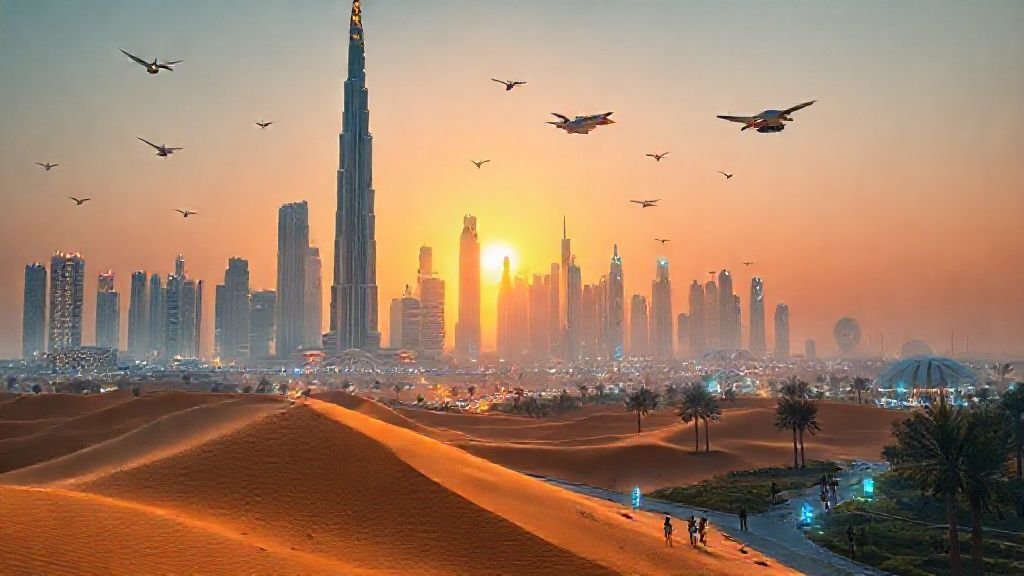
Dubai has always been a city that looks toward the future. From its iconic skyline to its ambitious plans for sustainability, the spirit of innovation is woven into every project. In 2025, the city is stepping into a new era where technology is not just a tool but a living system that powers everyday life, reshaping how residents work, travel, shop and connect.
1. The Birth of a Smart City
When most people think of a smart city, images of connected traffic lights, billboards that update in real time, and drones delivering packages come to mind. Dubai’s journey began with the Smart Dubai programme, which set out to create a city where digital services are delivered more efficiently and transparently. The programme’s core goals were:
- Digital identity for citizens and residents.
- Integrated data platform for city services.
- Smart infrastructure that adapts to real‑time needs.
- Encouragement of start‑ups and tech investment.
These pillars laid the groundwork for a city that can react to the needs of its people instantly, making daily life smoother and more rewarding. This foundation also helped launch a wave of projects that pushed Dubai ahead of the global curve.
2. Artificial Intelligence Takes the Driver’s Seat
Artificial Intelligence (AI) has become the engine behind many of Dubai’s newest achievements. From predictive policing that helps keep streets safe to AI‑powered logistics that reduce delivery times, the technology is changing every sector.
Transportation and Mobility
The Dubai Metro’s robots now run maintenance checks without human intervention. Autonomous buses navigate the sidewalks, delivering passengers between business districts with minimal delays.
Healthcare Revolution
AI algorithms predict potential health risks based on lifestyle and genetic data, allowing doctors to intervene early. Virtual consultations powered by AI chatbots provide instant medical advice, freeing up specialists for complex cases.
Public Safety and Law Enforcement
Machine‑learning models detect unusual crowd movements and highlight potential security threats before they grow. Law‑enforcement drones patrol the city, ensuring that emergency response is swift and efficient.
By embedding AI into everyday services, Dubai turns its metropolis into a responsive organism that learns and grows with its people.
3. Blockchain: The Invisible Ledger of Modern Life
While blockchain has made headlines in finance, its real power lies in its transparency and security. Dubai has leveraged the technology to create tamper‑proof systems across government, healthcare, and logistics.
One notable example is the Digital Health Pass—an immutable record that tracks vaccination, medical history, and health alerts. Similarly, property transactions are recorded on a blockchain, cutting down paperwork and fraud while speeding up closing times.
These applications not only add value for the government but also provide a sense of trust for residents and investors alike.
4. The Architecture of Tomorrow: Smart Skyscrapers and Infrastructure
Dubai’s skyline is home to more than just office space; it is a living laboratory for sustainable design. Buildings now incorporate:
- Energy Harvesting Windows: Transparent solar panels that provide electricity to the building’s systems.
- Responsive Facades: Skin that adjusts to sunlight and temperature, keeping interiors comfortable while lowering energy usage.
- Water Recycling Systems: On‑site purification that reduces municipal water demand.
These features not only reduce carbon footprints but also lower operational costs, making high‑rise living accessible to a wider audience.
5. Technology Hubs and the Start‑up Ecosystem
The city’s growth is driven partly by its vibrant ecosystem for technology start‑ups. Numerous incubators provide mentorship, financing, and access to venture capital. Key areas of focus include:
- FinTech solutions simplifying banking for the cloud‑native generation.
- EdTech platforms that bring personalized learning to anyone on the move.
- HealthTech that integrates wearable data with AI diagnostics.
- Supply chain technology creating end‑to‑end traceability.
Dubai’s open data initiatives give start‑ups a wealth of information—making it easier to test and scale products that fit the local market and can also export worldwide.
6. The Human Touch: Building Tech Culture
Innovation is only as good as the people behind it. Dubai invests heavily in human capital: from schools teaching coding from kindergarten to higher‑education programmes that put AI and blockchain at the forefront.
Workshops lead residents to create their own mini‑projects, giving them a sense of ownership over the urban digital narrative. These efforts foster a public appetite for technology, ensuring that the next wave of ideas will come from diverse voices.
7. Looking Ahead: What Lies Beyond 2025?
The ambition never stops. While 2025 has delivered massive strides, the sights are now set on a more interconnected yet sustainable system.
- Zero‑carbon buildings enabled by nanomaterials.
- Hyper‑fast transport links into the desert, turning islands into bustling hubs.
- Advanced AI that helps residents live healthier lifestyles by predicting needs.
- Fully autonomous commercial districts where order and efficiency thrive.
These future projects are based on data collected in real time, meaning the city can adapt quickly to changing aspirations.
Dubai’s transformation demonstrates how creating a digital ecosystem, backed by supportive policy, can accelerate progress for all residents and set a global example for future city planning.
Want to read more about how Dubai is turning skyscrapers into AI hubs? Explore our story on skyscraper AI transformation.
Curious how the city’s smart system uses AI and blockchain to improve everyday life? Dive into the pulse of Dubai’s tech evolution.
Still wondering how visionary dreams turned into a reality of smart cities and AI? Discover the journey of Dubai’s tech pulse.


Looking for a GCS Crypto Currency Licence and Registration in Dubai?

Best Crypto currency license Services in Dubai

Dubai 2025: The Tech Revolution Unveiled – From Smart Cities to AI‑Driven Innovation

Top 10 Highest-Paying Jobs in Dubai for 2024-25

How Much Does It Cost to Open a Company in Dubai in 2024?

Top 10 Business Opportunities in Dubai for 2024-2025
-

 Business2 years ago
Top 10 Highest-Paying Jobs in Dubai for 2024-25
-
Business2 years ago
How Much Does It Cost to Open a Company in Dubai in 2024?
-
Business2 years ago
Top 10 Business Opportunities in Dubai for 2024-2025
-
Business2 years ago
Best upcoming exhibitions and trade shows in Dubai, 2024
-
Blog2 years ago
Places to Visit in Ras Al Khaimah
-
Accounting & Auditing11 months ago
Top Strategies for Smart Real Estate Investment in Dubai
-
Sports2 years ago
Top 5 Upcoming International Sporting Events in Dubai (2024-2025)
-
Latest1 year ago
Dubai Golden Visa 2025: Everything You Need to Know About Eligibility, Benefits and Application Process