Blog
Dubai’s Tech Revolution: How Innovation Is Shaping Tomorrow

- /home/u134898463/domains/explore-dubai.com/public_html/wp-content/plugins/mvp-social-buttons/mvp-social-buttons.php on line 27
Warning: Trying to access array offset on value of type bool in /home/u134898463/domains/explore-dubai.com/public_html/wp-content/plugins/mvp-social-buttons/mvp-social-buttons.php on line 27
&description=Dubai’s Tech Revolution: How Innovation Is Shaping Tomorrow', 'pinterestShare', 'width=750,height=350'); return false;" title="Pin This Post">
- Share
- Tweet /home/u134898463/domains/explore-dubai.com/public_html/wp-content/plugins/mvp-social-buttons/mvp-social-buttons.php on line 72
Warning: Trying to access array offset on value of type bool in /home/u134898463/domains/explore-dubai.com/public_html/wp-content/plugins/mvp-social-buttons/mvp-social-buttons.php on line 72
&description=Dubai’s Tech Revolution: How Innovation Is Shaping Tomorrow', 'pinterestShare', 'width=750,height=350'); return false;" title="Pin This Post">
Dubai has long been known for its skyscrapers and luxury malls. Now it’s carving out a new identity as a global tech hub that blends ambition with practicality. The city’s leaders have put a lot of effort into building an ecosystem that welcomes startups, feds funding into cutting‑edge research, and encourages partnerships between public and private sectors. This change is not just a trend; it is a strategic shift that will influence how people live, work, and play for years to come.
The Blueprint Behind Dubai’s Digital Dominance
At the heart of Dubai’s technology boom is a clear, forward‑looking policy framework. The Smart Dubai initiative, for instance, maps out how AI, the Internet of Things (IoT), and big data can be woven into city services—from traffic lights to waste collection. The plan is simple: use technology to increase efficiency, cut costs, and create a higher quality of life for residents and visitors. By giving permission to test new solutions on a city-wide scale, Dubai has become a living laboratory for tomorrow’s tech.
The Role of Smart Infrastructure
Think of Dubai’s roads and buildings as a network of sensors that share information in real time. Sensors on highways detect congestion and reroute traffic using AI algorithms. Smart buildings monitor power usage, adjust lighting automatically, and even predict maintenance needs before problems arise. These systems don’t just look smart—they save money and reduce the city’s carbon footprint. The result is a smoother, more reliable urban environment that supports digital growth.
Why the World Cares About Dubai’s Tech Story
Other cities can learn a lot from Dubai’s approach. Modern governments want to be data‑driven, not reactive. Dubai shows that if you combine big‑data platforms with clear regulatory support, you can unlock massive economic opportunities. Data flows freely through the city’s digital arteries, encouraging innovators to build solutions that serve communities across borders, not just the local market.
Emerging Hotspots: AI, Blockchain, and Fintech
Dubai’s tech scene is not one‑dimensional. While AI and blockchain create headlines, financiers and developers keep pushing into new realms. Fintech firms use blockchain to speed up cross‑border payments. Robots and drones replace human labor in delivery, maintenance, and even logistics. Meanwhile, autonomous vehicles are tested on city streets, hinting at a future where the car is part of a larger, digitized ecosystem.
Understanding each pillar helps investors spot trends and find niche markets that are still untapped. For instance, AI-powered customer service bots are reshaping the hospitality industry, while blockchain-backed loyalty programs can drive consumer engagement for global brands.
AI Is the New Power Plant
Artificial intelligence is no longer a buzzword; it’s an operational engine. From customizing shopping experiences in malls to predicting demand in the real‑estate sector, AI algorithms tune digital services to individual preferences. Teams in Dubai’s AI labs work on projects that could transform emergency response, help doctors diagnose illnesses faster, or grant local businesses insights into consumer behavior.
Blockchain Beyond Money
Dubai is an early adopter of blockchain technology, especially for identity verification, supply‑chain tracking, and smart contracts. By using a shared ledger, cities can reduce bureaucracy and protect data automatically. The result is a trust infrastructure that cuts red tape and speeds up services, encouraging companies that focus on transparency and security.
- Digital identities backed by blockchain reduce fraud.
- Smart contracts enforce agreements without intermediaries.
- Supply‑chain tracking ensures product authenticity.
Fintech’s Local Flavor
Dubai’s financial sector is especially receptive to fintech ventures that pull from emerging technologies. New payment apps built on blockchain offer lower fees and faster processing. Digital banking platforms use AI to personalize offers. The city’s regulatory sandbox lets developers experiment without stifling innovation.
Startup Culture: From Idea to IPO
Entrepreneurs find the pathway from idea to market faster in Dubai than in many other continents. The government offers visas, grants, and incubator programs directly aimed at young innovators. The payout is not merely about capital but also about exposure to a global network that can jumpstart outbound growth.
There is a common misconception that the tech market is saturated or that investors only care about big names. The truth is, niche ideas that solve daily problems often gain traction. Many start with a simple tool that helps property managers automate rent collection. Once the tool proves its worth, it can scale to the city, and from there, to the rest of the world.
Incubators and Accelerators as Launchpads
Dubai hosts several accelerators that focus on tech sectors such as cybersecurity, IoT, and health tech. These programs provide mentors, office space, and sometimes seed funding. One big advantage: many of these accelerators partner with international venture capital firms, meaning that success is often a footnote to a larger story.
Regulation and Support: A Recipe for Success
When a government actively shapes the rule book, startups can accelerate. For example, a business that needs a blockchain solution can get a special license without a lengthy approval cycle. Startups that might otherwise struggle with bureaucracy find aircraft platforms that work within a transparent legal framework.
Education and Workforce: The Backbone of Technology
Dubai’s university scene has evolved to produce engineers, data scientists, and product managers. Agri‑tech labs, coding bootcamps, and research partnerships with industry giants create a talent pipeline that is both deep and wide. This rapid talent output is a key driver for attracting global tech companies that need skilled employees.
Blockchain curricula in universities
Students can now enroll in blockchain courses that merge theory with practical blockchain coding. Such programs help launch a generation that knows how to design secure, scalable distributed systems right from the start.
Women in Tech: Closing the Gap
Dubai regularly hosts conferences and meetups that champion women in tech. These events provide networking opportunities and mentorship that previously might have been lacking in the region. The outcome is a workforce that is more diverse, inclusive and better equipped to drive innovation forward.
The Digital Future: Where Smart Cities Meet Human Life
Imagine a morning where your coffee machine orders milk automatically because it detects your cups are running low. Picture a walk where digital signage scrolls suggestion on routes that avoid traffic. All these scenarios are possible in a city that has digitally wired almost every service.
As more devices connect, Dubai’s push for digital resilience positions the city to handle unexpected challenges. Cybersecurity protocols, cloud computing power, and data centers ensure continuity even during outages. The result is a city that is resilient, reliable, and re‑imaginable.
Public Transport, Reimagined
The metro system now integrates real‑time scheduling with passenger preferences, while autonomous buses explore trial routes. Passengers experience a dynamic and personal travel option that balances speed and cost. When these systems scale, they offer a new standard for city mobility that can be replicated worldwide.
Citizen Engagement via Digital Platforms
Dubai’s residents can report potholes, file complaints, or grant permits through mobile apps powered by AI. The platform analyzes data to prioritize solutions, speeding up response times. When citizens see their feedback implemented quickly, trust in government reforms rises, encouraging greater civic participation.
Where to Start: Navigating Dubai’s Innovation Landscape
If you’re a startup founder or investor looking to explore Dubai’s tech space, start by checking out the city’s official label of public‑private partnerships. Many open‑source robotics projects are under the city’s umbrella, and several are actively seeking collaborators.
Use the city’s digital portal to learn about licensing pathways. A simple application can expedite your setup, and you’ll have access to a mentorship network that guides you through optional investment rounds.
Explore Tech Ecosystems in Dubai
Take a look at Dubai’s Strategy for Innovation to understand the broad trends that defined 2025. The article explains how a combination of AI and emerging tech is driving projects that aim to create an ever‑smarter environment.
Deep Dive into AI and Blockchain Synergies
For a deeper perspective, read Dubai’s AI and Blockchain Renaissance. This piece explores how the two technologies are being integrated to create secure, automated systems that eliminate paper trails.
Future Ready: The AI Revolution in Practice
Don’t miss the AI Revolution in Dubai for an insightful look at how local businesses are already using practical AI solutions to streamline operations and enhance customer service.
From early‑stage startups that focus on solving everyday problems to large corporations deploying AI at scale, Dubai’s tech environment offers a spectrum of opportunities. The city’s inclusive policies, combined with an infrastructure that celebrates data-driven solutions, make it an ideal place to investigate how technology can reshape the world we live in.
Ultimately, the journey of Dubai’s tech transformation is a reminder: when a city invests in an open, data‑centric mindset, it unlocks growth that spans across industries, borders, and generations.
Looking for a GCS Crypto Currency Licence and Registration in Dubai?
Welcome to our guide on Crypto currency license in Dubai. At GCS, we specialize in providing top-quality Crypto currency license services to meet your needs.
Why Choose Our Crypto currency license Services?
Our team of experienced professionals understands the importance of quality Crypto currency license in Dubai. We pride ourselves on delivering exceptional results and customer satisfaction.
Our Approach to Crypto currency license
We take a comprehensive approach to Crypto currency license, ensuring that every aspect of our service meets the highest standards. Our process includes:
- Thorough consultation to understand your specific needs
- Customized solutions tailored to your situation
- Ongoing support throughout the process
- Transparent communication at every step
Important Resources
For more information about Crypto currency license, check out these valuable resources:
- Crypto Currency Licence in Dubai
- Dubai Crypto Currency Licence
- Crypto Currency Registration in Dubai
- Dubai Crypto Currency Registration
- GCS Crypto Currency Licence in Dubai
Get Started Today
Ready to experience the difference our Crypto currency license services can make? Contact GCS today to schedule your consultation. Our team is standing by to answer your questions and help you get started on the path to success.
Don’t wait – reach out to us today and discover why so many people in Dubai trust GCS for their Crypto currency license needs.
Best Crypto currency license Services in Dubai
Welcome to our guide on Crypto currency license in Dubai. At GCS, we specialize in providing top-quality Crypto currency license services to meet your needs.
Why Choose Our Crypto currency license Services?
Our team of experienced professionals understands the importance of quality Crypto currency license in Dubai. We pride ourselves on delivering exceptional results and customer satisfaction.
Our Approach to Crypto currency license
We take a comprehensive approach to Crypto currency license, ensuring that every aspect of our service meets the highest standards. Our process includes:
- Thorough consultation to understand your specific needs
- Customized solutions tailored to your situation
- Ongoing support throughout the process
- Transparent communication at every step
Important Resources
For more information about Crypto currency license, check out these valuable resources:
- Crypto Currency Licence in Dubai
- Dubai Crypto Currency Licence
- Crypto Currency Registration in Dubai
- Dubai Crypto Currency Registration
- GCS Crypto Currency Licence in Dubai
Get Started Today
Ready to experience the difference our Crypto currency license services can make? Contact GCS today to schedule your consultation. Our team is standing by to answer your questions and help you get started on the path to success.
Don’t wait – reach out to us today and discover why so many people in Dubai trust GCS for their Crypto currency license needs.
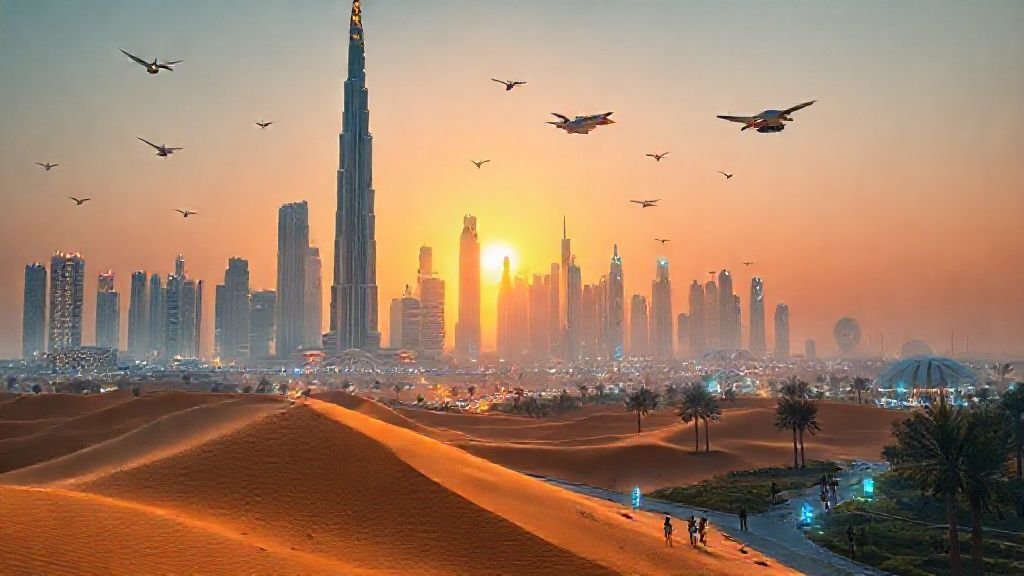
Dubai has always been a city that looks toward the future. From its iconic skyline to its ambitious plans for sustainability, the spirit of innovation is woven into every project. In 2025, the city is stepping into a new era where technology is not just a tool but a living system that powers everyday life, reshaping how residents work, travel, shop and connect.
1. The Birth of a Smart City
When most people think of a smart city, images of connected traffic lights, billboards that update in real time, and drones delivering packages come to mind. Dubai’s journey began with the Smart Dubai programme, which set out to create a city where digital services are delivered more efficiently and transparently. The programme’s core goals were:
- Digital identity for citizens and residents.
- Integrated data platform for city services.
- Smart infrastructure that adapts to real‑time needs.
- Encouragement of start‑ups and tech investment.
These pillars laid the groundwork for a city that can react to the needs of its people instantly, making daily life smoother and more rewarding. This foundation also helped launch a wave of projects that pushed Dubai ahead of the global curve.
2. Artificial Intelligence Takes the Driver’s Seat
Artificial Intelligence (AI) has become the engine behind many of Dubai’s newest achievements. From predictive policing that helps keep streets safe to AI‑powered logistics that reduce delivery times, the technology is changing every sector.
Transportation and Mobility
The Dubai Metro’s robots now run maintenance checks without human intervention. Autonomous buses navigate the sidewalks, delivering passengers between business districts with minimal delays.
Healthcare Revolution
AI algorithms predict potential health risks based on lifestyle and genetic data, allowing doctors to intervene early. Virtual consultations powered by AI chatbots provide instant medical advice, freeing up specialists for complex cases.
Public Safety and Law Enforcement
Machine‑learning models detect unusual crowd movements and highlight potential security threats before they grow. Law‑enforcement drones patrol the city, ensuring that emergency response is swift and efficient.
By embedding AI into everyday services, Dubai turns its metropolis into a responsive organism that learns and grows with its people.
3. Blockchain: The Invisible Ledger of Modern Life
While blockchain has made headlines in finance, its real power lies in its transparency and security. Dubai has leveraged the technology to create tamper‑proof systems across government, healthcare, and logistics.
One notable example is the Digital Health Pass—an immutable record that tracks vaccination, medical history, and health alerts. Similarly, property transactions are recorded on a blockchain, cutting down paperwork and fraud while speeding up closing times.
These applications not only add value for the government but also provide a sense of trust for residents and investors alike.
4. The Architecture of Tomorrow: Smart Skyscrapers and Infrastructure
Dubai’s skyline is home to more than just office space; it is a living laboratory for sustainable design. Buildings now incorporate:
- Energy Harvesting Windows: Transparent solar panels that provide electricity to the building’s systems.
- Responsive Facades: Skin that adjusts to sunlight and temperature, keeping interiors comfortable while lowering energy usage.
- Water Recycling Systems: On‑site purification that reduces municipal water demand.
These features not only reduce carbon footprints but also lower operational costs, making high‑rise living accessible to a wider audience.
5. Technology Hubs and the Start‑up Ecosystem
The city’s growth is driven partly by its vibrant ecosystem for technology start‑ups. Numerous incubators provide mentorship, financing, and access to venture capital. Key areas of focus include:
- FinTech solutions simplifying banking for the cloud‑native generation.
- EdTech platforms that bring personalized learning to anyone on the move.
- HealthTech that integrates wearable data with AI diagnostics.
- Supply chain technology creating end‑to‑end traceability.
Dubai’s open data initiatives give start‑ups a wealth of information—making it easier to test and scale products that fit the local market and can also export worldwide.
6. The Human Touch: Building Tech Culture
Innovation is only as good as the people behind it. Dubai invests heavily in human capital: from schools teaching coding from kindergarten to higher‑education programmes that put AI and blockchain at the forefront.
Workshops lead residents to create their own mini‑projects, giving them a sense of ownership over the urban digital narrative. These efforts foster a public appetite for technology, ensuring that the next wave of ideas will come from diverse voices.
7. Looking Ahead: What Lies Beyond 2025?
The ambition never stops. While 2025 has delivered massive strides, the sights are now set on a more interconnected yet sustainable system.
- Zero‑carbon buildings enabled by nanomaterials.
- Hyper‑fast transport links into the desert, turning islands into bustling hubs.
- Advanced AI that helps residents live healthier lifestyles by predicting needs.
- Fully autonomous commercial districts where order and efficiency thrive.
These future projects are based on data collected in real time, meaning the city can adapt quickly to changing aspirations.
Dubai’s transformation demonstrates how creating a digital ecosystem, backed by supportive policy, can accelerate progress for all residents and set a global example for future city planning.
Want to read more about how Dubai is turning skyscrapers into AI hubs? Explore our story on skyscraper AI transformation.
Curious how the city’s smart system uses AI and blockchain to improve everyday life? Dive into the pulse of Dubai’s tech evolution.
Still wondering how visionary dreams turned into a reality of smart cities and AI? Discover the journey of Dubai’s tech pulse.


Looking for a GCS Crypto Currency Licence and Registration in Dubai?

Best Crypto currency license Services in Dubai

Dubai 2025: The Tech Revolution Unveiled – From Smart Cities to AI‑Driven Innovation

Top 10 Highest-Paying Jobs in Dubai for 2024-25

How Much Does It Cost to Open a Company in Dubai in 2024?

Top 10 Business Opportunities in Dubai for 2024-2025
-

 Business2 years ago
Top 10 Highest-Paying Jobs in Dubai for 2024-25
-
Business2 years ago
How Much Does It Cost to Open a Company in Dubai in 2024?
-
Business2 years ago
Top 10 Business Opportunities in Dubai for 2024-2025
-
Business2 years ago
Best upcoming exhibitions and trade shows in Dubai, 2024
-
Blog2 years ago
Places to Visit in Ras Al Khaimah
-
Accounting & Auditing12 months ago
Top Strategies for Smart Real Estate Investment in Dubai
-
Sports2 years ago
Top 5 Upcoming International Sporting Events in Dubai (2024-2025)
-
Latest1 year ago
Dubai Golden Visa 2025: Everything You Need to Know About Eligibility, Benefits and Application Process