Blog
Dubai’s Technology Frontier: Where Vision Meets Innovation
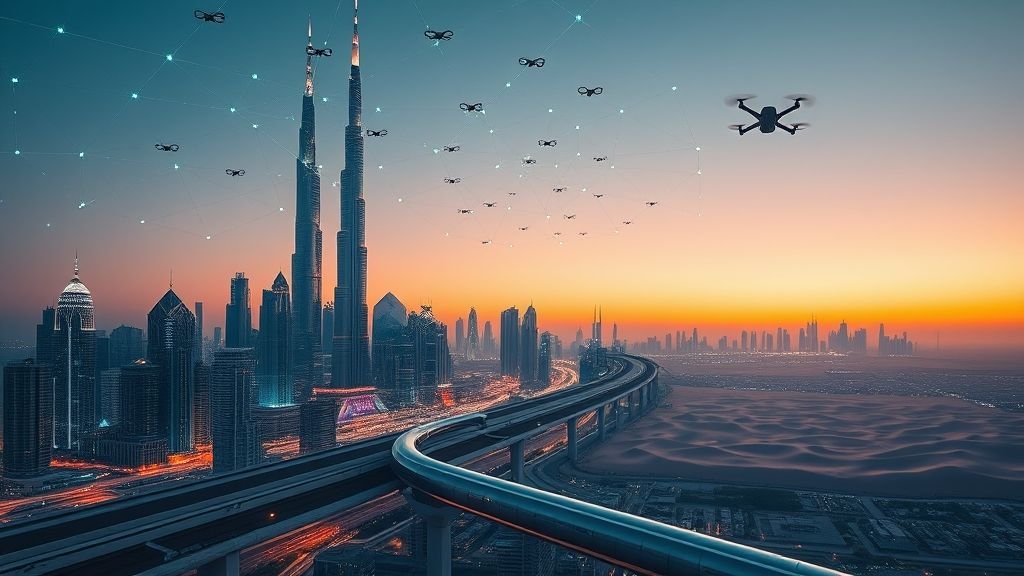
Dubai is no longer just a playground of skyscrapers and desert adventures. It has rapidly become a magnet for tech dreams, drawing entrepreneurs, coders, data scientists and innovators from around the world. Over the last decade the city has built a network of free zones, innovation labs, university partnerships and government-backed funding that creates a fertile ground for the next wave of technology breakthroughs.
Why Dubai Stands Out in the Global Tech Map
When you think about Dubai’s tech scene, a few key themes come to mind:
- Strategic geography – Dubai sits at the crossroads of East and West, making it an ideal hub for trade, cloud services and multinational R&D.
- Visionary leadership – The government has defined clear goals: “Smart Dubai 2025” and “Dubai Internet City” set the agenda for digital transformation.
- Mindset for risk‑taking – A culture that celebrates failures as learning opportunities fuels continuous experimentation.
- Robust infrastructure – From high‑speed fibre networks to Mars‑level data centres, the city never bumps against bandwidth snags.
Take the example of Dubai’s technology ecosystem – it’s rich with coworking spaces, angel investment galleries and accelerator programmes that turn blue‑prints into marketable products.
Core Tech Pillars Driving Growth
Dubai’s economy is being reshaped by a handful of technology sectors that consistently outperform global trends. Let’s dive into each pillar and see how they mesh together.
1. Artificial Intelligence & Machine Learning
AI is no longer a buzzword; it’s a foundation of Dubai’s service industries. From customer‑service chatbots that ease retail hassles to predictive analytics that streamline traffic flow, AI is woven into everyday life.
Key players:
- **Dubai Future Foundation** – runs public‑private hackathons that push the AI envelope.
- **Dubai Silicon Oasis** – hosts data‑science incubators that give startups high‑performance GPUs for training models.
- **The Al Jazeera AI Hackathon** – garners global attention and hands‑on experience for students.
The result? An ecosystem where AI solutions can be tested on living streets and scaled within minutes.
2. Blockchain & Digital Assets
Dubai laid claim to being the first city to adopt blockchain for government transactions. The result is less paperwork, more transparency and trust in a digital economy.
Major initiatives include:
- **Dubai Blockchain Strategy 2020** – a roadmap that outlines 30 projects leveraging distributed ledgers.
- **Dubai International Financial Centre (DIFC)** – houses regulated crypto exchanges and tokenisation platforms.
- **Dubai Multi Commodities Centre (DMCC)** – offers a sandbox environment for FinTech and digital asset firms.
These avenues give developers and financiers a licence to innovate without the bureaucratic drag that plagues more established markets.
3. Internet of Things & Smart Infrastructure
Smart buildings, autonomous vehicles, and city‑wide sensor networks are now part of the Dubai landscape. The integrated approach to urban planning means tech solutions talk to each other effortlessly.
- **Smart Dubai Programme** – subsidises IoT deployments for utilities and transport.
- **Dubai Vision 2025** – a city‑wide BIM (Building Information Modelling) database that supports efficient asset management.
- **Dubai Autonomous Transport** – pilots self‑driving taxis and delivery robots.
These projects create real‑time data pockets that urban developers can use for predictive maintenance and sustainability.
4. FinTech & Digital Banking
With a forward‑looking regulatory environment, Dubai is home to some of the world’s most advanced digital banks.
- **Dubai Bank Digital Banking Office** – introduces novel payment solutions.
- **The Dubai Money Vault** – a blockchain‑based security platform for institutional investors.
- **Arabian Wire** – pioneering cross‑border payment solutions for merchants.
All these operate under clear guidelines from the Central Bank, giving investors confidence to test new business models.
5. Green Technology & Sustainability
Dubai is setting ambitious sustainability goals, and tech underpins them. Solar solutions, energy‑efficient data centres and waste‑to‑energy projects bring the city closer to net‑zero ambitions.
- **Dubai Clean Energy Strategy 2050** – a 10‑year blueprint targeting 75% renewable electricity.
- **Dubai’s Solar Park** – one of the world’s largest public solar power plants.
- **Circular Economy Programme** – encourages designers to build products that can be easily recycled.
Tech solutions generate data that help city planners lower CO₂ emissions while keeping infrastructure efficient.
The Startup Ecosystem: A Snapshot
Dubai’s startup community is more than a handful of launchpads; it’s a confluence of talent, capital and mentorship. Highlights:
- Accelerator programmes – Dubai’s accelerator network provides essential seed funding and corporate access.
- Incubators – from Dubai Future Accelerators to Tink Labs, these hubs offer office space, lab equipment and investor matchmaking.
- Talent pipelines – universities like the American University of Sharjah and Hult International Business School graduate coding bootcamps that feed the workforce.
Over 200 companies have crossed the start‑to‑scale threshold thanks to this supportive stack. Importantly, Dubai’s technology landscape continues to attract both domestic and foreign venture capital, underscoring trust in a disciplined regulatory outlook.
Human Capital: What Makes Dubai Attractive for Tech Talent
People are not just numbers; they shape the pace of adoption. This is why Dubai is drawing in some of the top tech professionals globally.
- Competitive Salaries – High living standards combined with expat-friendly policies keep workforce satisfaction levels high.
- Work‑Life Balance – Citywide initiatives promote flexible hours, remote work options, and wellness programmes.
- Learning Ecosystem – Continuous scholarship stacks from government labs help developers stay at the frontier.
For tech companies, the result is a trade‑off loop: talented personnel produce cutting‑edge solutions that, in turn, feed back into company growth and city reputation.
Challenges and How They’re Being Tackled
No golden fleece comes without a few bumps. Dubai faces certain hurdles, but they are being addressed with policy and innovation.
Data Privacy & Governance
With the rise in digital data, concerns about personal privacy and data sovereignty surface. The Dubai Data Bill aims to create transparent protocols for data usage, providing lawyers and entrepreneurs a robust framework.
Skill Gaps & Continuous Learning
The rapid tech cycle demands constant up‑skilling. Dubai’s universities and private trainers collaborate to release micro‑credentials in blockchain, AI, and data science, thereby narrowing the skill gap.
Capital Constraints for Early‑Stage Companies
While the city hosts multiple venture funds, early‑stage capital remains limited. Dubai Innovation Fund and Thrive Hub step in with bridge financing for promising projects that can’t yet prove revenue streams.
Regulatory Hurdles for Emerging Tech
Emerging categories like autonomous driving, drones, or digital IDs require specialized regulatory frameworks. The Dubai Civil Aviation Authority and Dubai Guide work together to form test beds for operational pilots.
Future Outlook: What Tech Looks Like in 2026 and Beyond
Many conversations hinge on the question of what will happen next. The signs point to a few very clear trends:
- **AI integration into every core service** – from personalized shopping to predictive maintenance, AI will need to be cross‑linked into everyday products.
- **Full deployment of blockchain for public transactions** – beyond licensing, the aim is to deploy IoT‑based asset tracking and supply chain provenance.
- **Smart city parity with concept rather than execution** – city‑wide integration will shift from “add this tech” to “redefine this service” when data is real‑time.
- **SUSTAINABLE TRANSPORTATION** – heavily subsidised electric vehicle fleets and a zero‑emission target by 2030.
Opportunity Map for Entrepreneurs
Looking ahead, tech entrepreneurs can tap into specific niches:
- AI‑driven health diagnostics – a booming demand given an ageing global population.
- IoT based waste‑management startups – addressing the clean‑city challenge.
- Blockchain‑based identity verification – essential for secure government services.
- Renewable energy analytics – optimizing solar and wind outputs.
All of these align with Dubai’s strategic roadmap, offering a favourable policy environment for rapid scale‑up.
How a Typical Tech Start‑up Boots Rapado’s Journey in Dubai
Let’s walk through a hypothetical start‑up, Rapid AI Backends, to see how an idea turns into a functioning service.
- Idea Phase – The founders identify a pain point in regional telecom analytics and draft a product concept.
- Prototype & Validation – Using the Dubai Future Accelerators lab, they prototype an ML model to predict network traffic spikes.
- Funding Rounds – They secure seed funding from the Dubai Venture Capital and a strategic equity deal with a local telco.
- Regulatory Compliance – They work with the Dubai Telecommunications Regulatory Authority to certify their data handling framework.
- Go‑to‑Market – Gradual rollout with pilot customers, followed by a city‑wide contract.
- Scale‑up – They expand to the GCC region, leveraging the Dubai International Financial Centre network for cross‑border sales.
At each step, a supportive infrastructure (labs, mentorship, capital, regulatory clarity) keeps the startup moving forward.
Wrapping Up: Dubai Is a Destination, Not Just a Destination
Dubai’s technology adventure is a blend of old‑world ambition and ultra‑modern infrastructure. Whether you’re a student looking for a scholarship, a developer hoping for a job or an investor chasing the next unicorn, the city offers paths that are clear, supported and growing.
To truly benefit from Dubai’s tech journey, keep your eyes on these hotspots: AI masters, blockchain ecosystems, IoT infrastructures, and the city’s focus on sustainability and smart living. The road ahead looks bright, and the city is continuously updating its pages to invite more innovators.
Ready to take the next step? Explore the complete guide for innovators or dive deeper into Dubai’s startup ecosystem and find a niche that matches your vision.
Blog
Dubai 2025: Unpacking the City’s Full‑Spectrum Technology Revolution
Dubai has long been known for its iconic skyline, vibrant culture, and world‑class hospitality. In recent years it has taken its ambition a step further, turning into a living laboratory where artificial intelligence, blockchain, the Internet of Things, and green technology coexist and thrive. If you’ve ever wondered what it’s really like to walk through a city where digital infrastructure runs beneath every building and future‑ready solutions are already shaping daily life, you’re in the right place.
In this post we’ll explore how Dubai is turning its city‑wide vision into tangible projects, how the local ecosystem fuels innovation, and what the next decade could look like. Along the way, you’ll see real examples of cutting‑edge tech and practical insights on how you can follow the flow of this transformation.
Dubai’s Smart‑City Blueprint
The city’s smart‑city strategy does not rely on a single technology; it joins several strands into a single narrative. The foundational goal is simple: use data and connectivity to make residents’ lives smoother, businesses more efficient, and the environment cleaner.
- Connectivity: Hyper‑fast fibre networks and 5G hubs spread across the city provide the bandwidth needed for all other innovations.
- Data Harmony: A unified data platform stitches citizen, business, and infrastructure data together so the city can respond in real time.
- Public‑Private Partnership: Government initiatives partner with tech firms, start‑ups, and universities, allowing ideas to move from labs to streets quickly.
This approach creates a virtuous cycle—new data sources feed new services, which generate further data, and so on.
From Data to Action
Think of how the traffic lights in Dubai have evolved. In 2017 a new system was launched that used live cameras, AI and predictive analytics to adjust signal timing by the minute, shaving average congestion times by up to 30 %. In the same city a water‑management platform reads sensor data in every building to auto‑tune water pressure, cutting waste by millions of litres annually.
Artificial Intelligence: The Heartbeat of Innovation
AI is at the core of many of Dubai’s flagship projects. From government services to non‑profits, machine learning models help uncover patterns in massive datasets that no human could spot.
- Smart Governance: The Dubai Police use AI to analyse crime hotspots, allowing officers to deploy resources more strategically.
- Health Forecasting: During summer heat waves the health department runs predictive models that flag vulnerable neighbourhoods, enabling targeted cooling interventions.
- Customer Experience: Shops in the Dubai Mall now use AI to recommend clothing styles based on a shopper’s phone data. The result? Higher engagement and sales.
Seamless integration of AI into daily services means residents rarely see the technology behind the scenes—they simply enjoy smoother, faster experiences.
Ethics and Trust
With power comes responsibility. Dubai’s authors recently published a set of guidelines on ethical AI use that stress transparency, fairness, and accountability. By publicly sharing these principles the city builds trust among citizens and investors alike.
Blockchain: Building a Trustworthy Ecosystem
Blockchain finds use far beyond cryptocurrency. Dubai has embedded it into supply‑chain verification, land registration, and even health‑care records.
- Trade & Logistics: The Dubai Customs platform uses blockchain to slash paperwork, cutting clearance times through the port and airport from days to hours.
- Property and Land: The Land Department now issues immutable digital titles, reducing fraud and speeding up property purchases for expatriates.
- Healthcare Data: Patients can store their records on a private blockchain that ensures only their doctors can access the data.
When institutions trust the data they share, the overall reliability of public services rises—this is the tangible benefit robotics paper discussed in detail in a recent post.
Blockchain for Social Impact
Dubai’s Women’s Council launched a blockchain‑based platform that tracks the progress of women entrepreneurs across the city, ensuring equal access to grants and mentorship. The platform’s record‑keeping provides an evidence base that helps policy makers fine‑tune support policies.
The Internet of Things: A Connected Neighborhood
The city’s physical space is now a network of sensors. From smart streetlights that dim during low traffic to subterranean sensors that monitor underground tunnels for structural shifts, IoT amplifies city resilience.
- Smart Lighting: Light intensity adjusts to pedestrian movement, lowering energy consumption by 20 %.
- Safety Sensors: Automatic fire detection and suppression systems trigger before flames reach a critical stage.
- Public Wi‑Fi: Kiosks across the city offer free internet that collects anonymised traffic data, helping city planners forecast peak times.
All these devices report back to a central data lake, where AI can swiftly analyze and act.
Citizen‑Driven Projects
Dubai’s “Guess Who?” app harnesses IoT devices installed in schools, inviting students to solve real‑world puzzles about climate and traffic. The campaigns increase digital literacy and make participants feel part of the city’s future.
Green Tech: Sustainable Growth in the Desert
Developing a tech hub and maintaining a healthy ecosystem are not mutually exclusive. Dubai’s clean‑energy projects, such as the Mohammed Bin Rashid Solar Park, power significant sections of the city grid.
- Desert Farming: Smart irrigation systems, guided by AI and weather data, reduce water usage for agriculture by 35 %.
- Carbon‑Neutral Buildings: Solar panels, photovoltaic windows and energy‑saving HVAC systems allow new developments to earn “Zero‑Energy” certification.
- Waste Digitization: Smart bins alert collection trucks when they’re half full, cutting fuel consumption.
With structured incentives, the technology sector helps Dubai reach its carbon‑neutrality milestone by 2050.
Startup Ecosystem: A Fertile Ground for Trailblazers
Dubai Tech 2025 hosts an annual summit that attracts over 2,000 innovators, investors and senior policymakers. The event is a showcase for entrepreneurial solutions ranging from AI‑driven fintech to blockchain real‑estate.
- Investment flow: Between 2018‑2024, the city attracted more than $6 billion in seed‑to‑Series C funding.
- In‑city accelerators: Startup@Dubai accommodates 100 new companies each year, offering capital, mentorship and regulatory facilitation.
- Talent exchange: The City of Innovation created a digital talent exchange where professionals could upskill in AI, cybersecurity or Data Science.
These initiatives produce a pipeline of tech companies that grow local jobs and drive global exports.
Women in Tech
Dubai’s “Women In Innovation” network hosts hackathons that focus on gender‑inclusive design. The program’s results have produced beta apps that track menstrual cycles and mental‑health data with privacy safeguards.
Investment Landscape: Funding the Future
Dubai’s public policy environment encourages venture capital and strategic fund flows. The Dubai Future Foundation, for example, offers grants for “mega‑projects” that plan to deploy 5G, AI, or blockchain on a large scale.
- Co‑Funding Models: Public agencies partner with European or American universities for cost‑sharing and knowledge transfer.
- Tax Incentives: Companies that create AI or blockchain intellectual property receive a 50 % tax credit for the first five years.
- Regulatory Sandbox: A 12‑month test bed lets firms test autonomous vehicles without the usual approval headaches.
The combination of infrastructural readiness and funding support accelerates the rollout of new tech across the city.
Challenges You Might Not Notice
Although the city’s agenda sounds shiny, several hurdles linger behind the scenes:
- Data Privacy: Citizens often see the benefits of data collection yet are wary about who owns their information.
- Talent Gap: Despite attracting global talent, local universities still lag in advanced AI curricula.
- Seamless Interoperability: Integrating legacy systems with new tech requires careful project planning and cross‑sector collaboration.
- Economic Diversification: While tourism fuels economies, high‑tech growth needs to be sustained beyond the tourist season.
When problems appear, Dubai’s agile bureaucracy often spins cooperative task forces to tackle them head‑on.
What Are the People Doing?
Community groups are increasingly nudging public officials. A group of teenagers developed a civic‑tech platform that crowdsources pothole spots. The platform directly feeds a municipal database, and city crews respond faster than ever before.
Future Outlook: 2030 and Beyond
Dubai has charted a 5‑year plan that outlines the evolution of infrastructure, urban planning, and innovation ecosystems. Here’s what’s on the radar:
- Full 5G Deployment: Every district will have cut‑ting‑edge wireless coverage, paving the way for autonomous vehicles and remote surgeries.
- Mixed Reality Experiences: Pairing AR overlays with physical streets will enhance tourism—think real‑time language translation and historic reconstructions.
- Energy Independence: Grid‑scale battery storage and micro‑grids powered by renewables will put Dubai on self‑sufficiency footing.
- AI‑Powered Governance: Nationwide AI policy framework will streamline public services across all emirates.
In short, Dubai is not just chasing progress: it is building a roadmap for a city where technology directly improves everyone’s lives.
Personal Engagement
Are you a developer, entrepreneur or citizen curious how to get involved? There are several avenues:
- Enroll in the Dubai Future Foundation’s “Adoption Sprint” for 5G or blockchain prototypes.
- Apply to the Startup@Dubai accelerator to scale your tech solution.
- Join community hackathons that tackle real urban problems.
Being part of Dubai’s tech ecosystem means you’ll work on projects that change how millions interact with their city.
Takeaway
Dubai’s 2025 vision is no longer an exciting headline; it’s a concrete roadmap that’s already unfolding. From AI‑driven traffic lights to blockchain‑paved land titles, the city demonstrates that technology can be woven into the fabric of everyday life. The key takeaway for residents, investors, and innovators is this: the future is happening now, and the doors are open to anyone who wants to build a smarter, more inclusive, and sustainable city.
Want more details on how Dubai’s technology moves from corridors to the street? Check out the full guide on the city’s tech revolution and dive deeper into the Dubai 2025 tech pulse. For a look at the ambitious triple‑layered technology revolution, take a closer look at the bold initiatives that underline Dubai’s bold future.
Blog
Dubai’s Digital Pulse: A Journey Through the City’s Technology Landscape
Dubai isn’t just a glittering metropolis with skyscrapers that touch the clouds; it’s also a thriving hub where technology transforms everyday life and redefines what it means to live in a city. From smart traffic lights to AI‑driven utilities, the transformation is happening at a breakneck pace. In this post we’ll walk through the key forces driving Dubai’s tech revolution, show how the city’s infrastructure and policies play a pivotal role, and highlight opportunities for innovators, entrepreneurs, and curious visitors who want to be part of this digital future.
Why Dubai is a Hotspot for Tech Innovators
Dubai’s vision is set on becoming a global city of the future. The blend of an open‑air economy, a business‑friendly regulatory environment, and a high concentration of skilled talent makes it a natural magnet for tech ventures. The government’s emphasis on “one‑stop” licensing, low corporate tax rates, and strategic partnerships with leading global corporations gives newcomers a clear advantage.
Beyond the financial perks, there is an ingrained culture of embracing change. Unlike many capitals that cling to tradition, Dubai’s leadership actively encourages trial and error. Smart pilots, like the autonomous drones that deliver parcels across the city, usually start with small pilot projects that can quickly scale if they prove successful. This iterative mindset keeps the ecosystem dynamic and responsive.
Tech Entrepreneurs’ Hot Corners
Industry clusters, such as Dubai Internet City and Dubai Media City, host thousands of startups. Incubators and accelerators such as Explore Dubai: A Guide to the City’s Tech Revolution provide office space, mentorship, and access to investors who are eager to tap into the region’s burgeoning potential.
Beyond guitars and keyboards, we see a surge in “green tech” startups tackling climate resilience, along with “health tech” ventures providing remote diagnostics and AI‑enabled predictive care. This diversity means there is always a niche waiting to be explored.
Smart City Architecture: From Vision to Reality
Dubai’s “Smart City” blueprint is a comprehensive asset management system that ties together everything from energy consumption to traffic flows. The goal is to create a city where data drives smart decisions.
Connected Streetlights and Real‑Time Analytics
One of the most visible examples is the city’s network of connected streetlights. Each lamp is a sensor that measures air quality, moisture levels, and light intensity. Data from these sensors is routed to a central platform where city planners can quickly spot issues, for instance, a sudden rise in pollutants in a particular sector or a pothole forming under a vacant parking spot.
Mobility as a Service (MaaS)
Dubai’s transportation ecosystem is shifting from ride‑hailing to integrated MaaS solutions. A single app now lets you book a bike, switch to a bus, or hail a self‑driving taxi. Hardware such as e‑infrastructure charging stations for electric vehicles seamlessly become part of this ecosystem. The smart infrastructure not only boosts convenience but also helps reduce emissions.
Waste Management and Circular Economy
Smart bins equipped with weight sensors and voice alerts make recycling efficient. Residents receive notifications to schedule pickups when bins are full, eliminating half‑filled rubbish. On a larger scale, businesses are using AI to optimize waste segregation, leading to higher recycling rates and lower landfill use.
The Rise of AI and Blockchain in Everyday Life
Artificial Intelligence and blockchain technology have woven themselves into the fabric of everyday Dubai life, offering new tools for service delivery, security, and transparency.
AI‑Enabled Customer Service
Many government services now use chatbots powered by natural language processing. Residents can ask about utility usage, apply for a permit, or report a municipal issue without ever stepping into a government office. These AI assistants are available 24/7 and adapt to local dialects, ensuring smooth communication.
Blockchain for Transparency
Dubai’s approach to blockchain isn’t limited to cryptocurrency. The city’s “Dubai Blockchain Strategy” uses distributed ledger technology to record everything from property titles to health records. When a new building is constructed, its information is logged on a blockchain, guaranteeing permanent record integrity and eliminating fraud.
Predictive Maintenance for Infrastructure
AI algorithms analyze sensor data to forecast equipment failures in real‑time. For example, in the transportation network, predictive maintenance can alert engineers before a traffic light malfunctions, saving mobilised repair costs and ensuring minimal disruption to commuters.
Take a Closer Look With These Resources
To dig deeper into how AI and blockchain reshape Dubai’s daily life, Dubai’s Tech Revolution: AI and Blockchain offers a detailed exploration of these technologies. For a broader perspective on the city’s technology evolution, see Dubai Tech Pulse: Building Tomorrow with Tech Today.
Tech Infrastructure: Connectivity, Data, and Innovation Hubs
High‑speed connectivity is a static pillar of Dubai’s tech readiness. With a fiber‑optic backbone laid across the city, data transfer rates are amongst the fastest worldwide.
5G Rollout and Edge Computing
While 5G promises low‑latency, high‑throughput for smartphones and IoT devices, edge nodes are being set up strategically across the city to reduce data transmission time. This is crucial for real‑time applications in autonomous vehicles, drone deliveries, and smart factories.
Data Centers and Cloud Platforms
Dubai houses several Tier‑4 data centers that comply with the highest security standards. Cloud services are now easily accessible, enabling startups and enterprises to deploy applications globally with low latency and high reliability.
Cybersecurity Measures
The rapid pace of digital transformation requires robust security. Dubai’s cybersecurity policy adopts multi‑layered defense with encryption, identity management, and continuous monitoring. The city also encourages the development of local cybersecurity talent through partnerships with academic institutions.
Startups and Incubators Lighting the Way
Dubai’s startup scene is not only growing in numbers but also in maturity. Today, a startup can scale from a home office using a shared co‑working space to securing multi‑million‑dollar funding within a year.
MoMo8 and Dubai Future Accelerators
MoMo8, for example, hosts 100+ startups that solve real‑world challenges. Dubai Future Accelerators partners with the government to provide focused pitch sessions, mentorship, and direct access to senior decision makers.
Industry Focus: FinTech, HealthTech, CleanTech
FinTech firms are pioneering open banking, while HealthTech startups integrate AI diagnostics into telemedicine. CleanTech ventures, often backed by municipal funds, look into renewable energy storage solutions and carbon footprint reduction technologies.
Success Stories
A local app that guides users to the nearest charging station for electric vehicles has raised $3 million in Series A funding and partnered with +20% of the UAE’s fleet. These stories demonstrate that Dubai’s innovation ecosystem rewards practical, locally relevant solutions.
Government Support and Policies That Build the Future
Dubai’s government mantra is simple: “innovation for all.” Therefore, public‑private partnerships are designed to test new ideas, lean on pilot projects, and incorporate citizen feedback.
Regulatory Sandboxes
These allow companies to experiment with regulated products in controlled environments. For instance, a blockchain‑based property registration tool can be ironed out behind a sandbox before a full rollout.
Incentivized Grants and Tax Benefits
Firms that develop AI or clean energy technologies can receive grants up to 40% of their R&D costs and qualify for zero corporate tax for five years.
Digital Residency
Dubai’s e‑Residency program, giving foreigners a digital passport to do business online, encourages startups and freelance professionals to base themselves in Dubai and tap into its connected economy.
Real‑World Applications You’re Already Using
Many of the city’s residents and visitors get to experience these technologies daily, often without realizing it.
Smart Parking System
Next‑door notifications let drivers know if a parking spot is free, updated in real time. When a spot suddenly becomes available, the system automatically assigns it to the nearest driver’s app.
Operation BEE (Building Energy Efficiency)
Buildings in Dubai use smart sensors to dim lights, close blinds, and adjust HVAC based on occupancy and daylight. Furthermore, performance data is shared with an Energy Management Center that directs future upgrades.
Dubai’s All‑In‑One App: Umm Al Qirā’ (or simply “Q”)
Residents can request city services, pay bills, and access public transport schedules from one interface. Because the app knows your home location, it can schedule trash pickups for you or recommend nearby electric bike rentals.
What the Next Decade Holds for Dubai’s Tech Scene
Over the next ten years, Dubai envisions a fully autonomous city where vehicles move without drivers, home appliances monitor health metrics, and the city can self‑repair through predictive maintenance.
Energy Independence & Solar Ambitions
Dubai aims to power 75% of its electricity from renewable sources like solar. Coupled with AI‑managed micro‑grids and battery storage, the city will reduce its carbon footprint significantly.
Metaverse and Digital Twins
Digital twins of Dubai’s infrastructure will allow planners to test changes before executing them in the real world, reducing costs and increasing accuracy.
AI Governance and Ethics
Dubai is working on transparent AI governance frameworks to ensure decisions align with societal values and protect user privacy.
Getting Involved: How You Can Be Part of the Movement
Whether you’re a developer, an investor, an academic, or a curious traveler, you can engage with Dubai’s tech ecosystem. Here are several ways to get involved:
- Attend Hackathons and Meetups – Events such as “Dubai Hackathon 2025” bring together talent to solve challenges in health, mobility, and sustainability.
- Apply for accelerators – Programs like the Dubai Future Accelerators or MoMo8 provide mentorship and funding.
- Volunteer in Tech Education – Help teach coding to youth in community centers to build a local talent pipeline.
- Invest in Early‑Stage Startups – Participate in syndicate deals or angel networks focused on UAE technology companies.
- Explore Career Opportunities – Tech companies offering AI, cloud, IoT, and cybersecurity roles are hiring groups of talent. Dubai’s immigration program also makes relocating easier.
By putting your skills and resources into these channels, you are not just contributing a solution, you’re shaping a city that clicks to the rhythm of its own digital heartbeat.
Dubai’s technology pulse is relentless and inclusive. It invites you to explore, learn, and innovate. Dive deeper into Dubai’s mission with this guide to the city’s tech revolution, or continue reading through the subsequent articles to understand how each piece of the puzzle fits together. The future is here – it’s just waiting for your next step.
Blog
Dubai’s 2025 Tech Roadmap: From AI‑Driven Smart Cities to Blockchain Innovations
Dubai has always been a city that looks toward the future. From its iconic skyline to its world‑famous events, the emirate is built on bold ambitions. Now, technology is the engine that will keep that ambition moving forward. In this post we’ll explore the specific ways Dubai is turning its tech dreams into everyday reality, the kinds of projects that are shaping the city, and what you can do to be part of this journey.
Why Technology Matters in Dubai
Technology in Dubai is not just a buzzword. It’s a framework that supports everything from transportation to public safety, from energy usage to business efficiency. Because of this, designers, investors, and residents alike are invested in the city’s tech ecosystem. When Dubai talks about “smart cities,” it isn’t talking about a concept. It is talking about tangible systems that let people live, work, and play in a connected environment.
The Smart City Blueprint
The foundation of Dubai’s smart city model is a layered approach:
- Infrastructure Layer: IoT sensors, 5G networks, and digital bridges that gather data in real time.
- Platform Layer: Cloud-based services that process that data, making it available to apps, utilities, and civic services.
- Application Layer: End‑user solutions that help residents, businesses, and tourists make everyday decisions more efficiently.
These layers work together to create a system where a citizen can, for example, see real‑time traffic information on a city tile, get notified of a power outage from a home automation app, and pay for parking in seconds—all without the need for multiple different providers.
AI in Everyday Life
Artificial intelligence is one of the core drivers that turns raw data from the infrastructure layer into useful actions. AI algorithms are used for predictive maintenance on roads, for dynamic traffic control, and even for personalized tourism recommendations. Supervised machine learning models train on historical traffic patterns to recommend the fastest route at any given time. Meanwhile, natural language processing powers chatbots that help residents quickly find answers to city services.
AI isn’t limited to utilities or transport. In the education sector, adaptive learning platforms analyze student performance to deliver customized lesson plans. In healthcare, predictive analytics help hospitals anticipate bed availability and manage patient flow.
Blockchain: Secure and Transparent Sovereignty
Blockchain technology plays a vital role in Dubai’s commitment to transparency, security, and efficiency. Smart contracts automate everything from contract signing to property title registration. Because the ledger is immutable, the risk of fraud is significantly reduced. In addition, blockchain enables the creation of digital identities that are secure, portable, and verifiable. Citizens can create a single digital ID that works across all government portals, making interactions smoother and less time‑consuming.
Dubai’s Vision 2025 suggests that more than 50% of all public sector transactions will be processed using blockchain by 2026. The city also explores tokenization of services, allowing residents to purchase city credits that can be redeemed across multiple services.
Key Projects You Should Know About
Dubai Smart Traffic System
The Smart Traffic System is a city‑wide network that uses AI to regulate traffic lights in real time. This reduces congestion by up to 30% and cuts emissions because vehicles spend less time idling. The system is continuously updated with new sensor data, ensuring it remains adapted to the city’s changing traffic patterns.
Dubai Blockchain Center
Located in the newer Al Quoz district, the Dubai Blockchain Center provides a hub for developers and companies to collaborate on blockchain solutions. It features labs, training programs, and a fast‑track licensing process for blockchain startups. The center is also hosting a yearly hackathon that brings together innovators from around the globe.
Dubai Energy Hub
The Energy Hub is a cross‑municipal effort to integrate renewable energy sources into the city’s grid. Using predictive analytics, the hub forecasts solar panel output and adjusts grid load accordingly. This synergy reduces the need for fossil fuel backup power and ensures a more reliable energy supply for all residents.
Case Study: AI‑Based Taxi Booking
One of the city’s bold moves was incorporating AI into the public transportation sector. By analyzing historical data on taxi usage, ridership, and weather conditions, the AI model predicts demand peaks. During rush hours, the system arranges surge pricing to match supply with demand, and it sends notifications to drivers about high‑probability pickup zones.
Because of this, passengers experience shorter wait times and greater ride certainty, while drivers can increase their route efficiency. The percentage of unmet demand for rides dropped from 18% to 6% in the first year of deployment.
What’s Next? The 2025 Tech Roadmap
Looking ahead, Dubai’s 2025 Strategy emphasizes further integration of AI and blockchains, leading to three major Pillars:
- Smart City Expansion: Extend IoT sensor coverage to new districts, boosting data quality and service reach.
- Industrial Digitization: Promote industrial internet of things (IIoT) by offering incentives to manufacturing units to digitize operations.
- Human‑Centric Innovation: Encourage start‑ups that focus on health tech, ed‑tech, and clean tech by providing seed funding, mentorship, and incubator space.
These pillars align with the city’s goals to increase GDP derived from knowledge and digital services by 35% and to reduce carbon emissions by 25% by 2030.
Policy Drivers and Incentives
Dubai’s government has rolled out clear policies to nurture tech. The Smart Dubai Office offers a streamlined licensing process for tech firms, ensuring that companies can move from concept to market in less than 90 days. Additionally, the Digital Innovation Fund provides up to 30% equity-free grants for projects that demonstrate social impact.
Tax incentives are another game changer. Start‑ups located in the Digital Media Village receive a 0% corporate tax rate for five years, and all “green” technologies qualify for additional subsidies.
What This Means for Entrepreneurs
If you’re a technologist with an idea that could fit into any of these pillars, you have a clear path forward:
- Create a detailed business model that shows social impact (e.g., lowering emissions, increasing accessibility).
- Enroll in the Smart Dubai Office’s incubator program to gain mentorship.
- Seek funding from the Digital Innovation Fund and apply for tax incentives.
- Partner with local universities or research labs to access data sets and shared infrastructure.
Remember, Dubai’s ecosystem is built on collaboration; the city encourages joint ventures between local entities and foreign investors. By forming a partnership, you can pool resources and reduce the upfront burden of entry.
How Residents Benefit Today
The technology is already affecting everyday life. For instance:
• Health Alerts: Personalized health dashboards let you track your vitals, receive alerts for potential conditions, and schedule preventive check‑ups. The predictive layer anticipates spikes in hospital demand during flu season, reallocating resources proactively.
• Tourism Concierge: Dynamic city guides recommend activities based on weather, crowd levels, and personal interests. This means fewer missed attractions and a smoother trip.
• Smart Homes: IoT‑controlled living spaces allow you to adjust lighting, heating, and security from your phone, all governed by energy‑savings algorithms that reduce utility bills.
These examples show that the city’s technology is not only high‑level strategic; it is directly improving quality of life.
Community Involvement and Skill Development
Dubai’s ambition creates new job opportunities requiring specialized skills in AI, data science, blockchain, and IoT. The city’s public‑private partnerships emphasize workforce development. Key initiatives include:
- Dubai Future Accelerators: A program that awards grants to pilot projects with breakthrough potential. Participants receive mentorship from executives and access to integrated testing environments.
- Dubai STEM Academy: Free online courses for high school students that cover robotics and machine learning, with scholarships toward university tuition.
- Digital Skills Bootcamps: Short, immersive courses that provide hands‑on training in blockchain development and AI ethics, supported by leading tech firms.
By engaging with these programs, individuals can build skills that match the city’s future workforce needs. Even for those who prefer to learn independently, the city’s open data portal supplies vast datasets for experimentation.
Future Trends to Watch
As Dubai grows, several technological trends will gain traction:
- Quantum‑Computing Initiatives: Early partnerships with leading quantum labs aim to create pilot services for supply‑chain optimization.
- Urban Farming It’s embedded with AI sensors to monitor soil health, irrigation needs, and energy consumption, ensuring efficient food production at scale within city limits.
- AI Governance Frameworks: Regulations that balance innovation with privacy, ensuring data usage remains ethical and transparent.
These trends will amplify Dubai’s role as a global tech hub and showcase best practices for similar cities worldwide.
The Cultural Shift
Technology in Dubai is more than tools; it’s a cultural mindset. Meet the generation of young entrepreneurs who view innovation as a way of life, not a luxury. In downtown Dubai, a community meetup once sat in a coffee shop and exchanged ideas about blockchain in real estate. This exchange later formed the basis for a successful smart‑property verification platform that now runs nationwide.
Because this mindset pervades the entire society, residents are naturally receptive to tech solutions that improve everyday life. Trust in digital services is above 70% nationwide, a measurable indicator that the city’s technology strategy is on track.
Get Involved Now
If you want to be part of Dubai’s tech journey, start here:
- Visit the Smart Dubai Office website: Check eligibility for incubator access and the latest funding cycles.
- Attend Hackathons: The annual blockchain hackathon hosted by the Dubai Blockchain Center draws developers from across the region.
- Participate in Public Consultation Panels: Your insights help shape policy around AI use in public services.
- Subscribe to the Digital Innovation Newsletter: Stay updated on new projects, policy changes, and funding calls.
Remember, the best way to make an impact is to identify a pain point in the city’s ecosystem and design a digital solution that addresses it. Whether it’s reducing wait times at the airport with a predictive boarding system or improving waste management through IoT, your idea can spark real change.
Conclusion
Dubai’s 2025 Tech Roadmap is more than a plan; it’s an invitation. The city is building a living laboratory where AI, blockchain, IoT, and data converge to create a brighter, more efficient future. By aligning your skills, projects, or investment strategies with this roadmap, you can play a part in shaping a city that sets the standard for smart living worldwide.
Explore the latest insights on how Dubai is reshaping tomorrow, dive deeper into the everyday impact of these innovations, and read about Dubai’s journey embracing AI and smart city solutions. The future is now—start contributing today.
-
Business2 years agoTop 10 Highest-Paying Jobs in Dubai for 2024-25
-
Business2 years agoTop 10 Business Opportunities in Dubai for 2024-2025
-
Business1 year agoBest upcoming exhibitions and trade shows in Dubai, 2024
-
Business1 year agoHow Much Does It Cost to Open a Company in Dubai in 2024?
-
Sports2 years agoTop 5 Upcoming International Sporting Events in Dubai (2024-2025)
-
Blog2 years agoPlaces to Visit in Ras Al Khaimah
-
Business2 years agoTop 5 Networking Events for Businesses in Dubai in 2024
-
Entertainment2 years agoTop 10 Must-See Shows in Dubai: From Broadway Musicals to Acrobatic Spectacles