Blog
Dubai’s Technology Revolution: How Smart Cities, AI, and Blockchain are Shaping Tomorrow

- /home/u134898463/domains/explore-dubai.com/public_html/wp-content/plugins/mvp-social-buttons/mvp-social-buttons.php on line 27
Warning: Trying to access array offset on value of type bool in /home/u134898463/domains/explore-dubai.com/public_html/wp-content/plugins/mvp-social-buttons/mvp-social-buttons.php on line 27
&description=Dubai’s Technology Revolution: How Smart Cities, AI, and Blockchain are Shaping Tomorrow', 'pinterestShare', 'width=750,height=350'); return false;" title="Pin This Post">
- Share
- Tweet /home/u134898463/domains/explore-dubai.com/public_html/wp-content/plugins/mvp-social-buttons/mvp-social-buttons.php on line 72
Warning: Trying to access array offset on value of type bool in /home/u134898463/domains/explore-dubai.com/public_html/wp-content/plugins/mvp-social-buttons/mvp-social-buttons.php on line 72
&description=Dubai’s Technology Revolution: How Smart Cities, AI, and Blockchain are Shaping Tomorrow', 'pinterestShare', 'width=750,height=350'); return false;" title="Pin This Post">
Dubai has long been a hub for bold ideas and futuristic projects, but its tech scene has truly exploded in recent years. From the gleaming skyline of the Dubai Design District to the software start‑up start‑ups popping up infree zones, the city is becoming the go‑to destination for anyone looking to build the next big thing in tech. This post walks you through the main drivers behind Dubai’s rising tech profile, what that means for entrepreneurs, and how you can jump into the action.
Why Dubai is a Magnet for Tech Talent and Investment
When you think about what makes a city attractive to tech innovators, three things usually come to mind: talent, capital, and a supportive policy environment. Dubai scores high on each of these fronts.
Talent Mix
Dubai’s population is a blend of skilled expats, seasoned professionals, and a younger generation of digital natives. The city hosts several world‑class universities and research centres. Students regularly graduate with degrees in data science, engineering and design, bringing fresh perspectives straight into local start‑ups or already‑established firms looking to upskill.
Funding Landscape
Founded in 2014, the Dubai Future Accelerators is a government‑backed programme that offers seed funding and mentorship to high‑impact tech solutions. Venture capitalists, both local and international, are increasingly putting their money into Dubai, recognising its growth potential and the relative ease of doing business.
Regulatory Momentum
The Government of Dubai is quick to introduce laws that facilitate digital innovation. From fintech licences to AI ethical guidelines, the regulatory environment is designed to strike the right balance between encouraging progress and protecting consumers. As a result, company registration is almost instantaneous in many free zones, often with no need for a local partner.
Case in Point: Dubai Tech Landscape
To get a deeper look at how all these elements come together, read Dubai’s tech landscape – a journey through innovation and opportunity. The article maps out Dubai’s evolving ecosystems and shines a spotlight on real‑life examples of successful ventures.
Smart Cities: Living the Future Every Day
Dubai’s push towards becoming a “smart city” is not just about buzzwords on a website; it translates into everyday conveniences that make urban life smoother.
IoT in Infrastructure
Sensors embedded in roadways detect traffic congestion and feed data back to central control systems. This allows authorities to adjust signal timings in real time, reducing delays by up to 30%. Imagine walking to your office, and every crossing you see lights that change just for you. That’s the level of integration Dubai is aiming for.
Urbane Mobility
The introduction of autonomous shuttles in the Downtown area began as a pilot last year. While fully autonomous taxis may still be a decade away, pilot programs such as these demonstrate that the infrastructure—ultra‑high voltage cables and dedicated lanes—is already in place. For residents, this means fewer cars on the road and a cleaner environment.
Digital Governance
Dubai’s Digital Governance Department created a one‑stop portal that lets you pay utility bills, report potholes, or apply for passports online. Threading together multiple public services into a single, mobile‑friendly app dramatically reduces the paperwork that used to be a hassle.
Where to Learn More
Curious how the city is turning “smart” into tangible benefits? Check out Dubai the tech hub that’s disrupting the future. This piece gives an insider look at upcoming projects and how they’re set to reshape everyday life.
Artificial Intelligence – The Secret Sauce Behind Many Start‑Ups
AI is no longer a niche field for research labs; it’s now a cornerstone of many profitable businesses in Dubai.
Key Sectors Leveraging AI
- Finance: Robo‑advisors create bespoke investment portfolios, reducing costs and improving accuracy.
- Healthcare: Diagnostic apps use image recognition to spot abnormalities in X‑rays, speeding up turnaround times.
- Retail: Personalized recommendation engines drive higher engagement and sales in e‑commerce platforms.
- Logistics: AI‑optimised routing minimises fuel consumption and improves delivery times.
Points to Consider for Entrepreneurs
- Data Quality: AI is only as good as the data you feed it. Look for partnerships with local universities that can help clean and label your datasets.
- Ethics: Dubai’s AI policy framework sets high standards for bias and transparency. Build your product with these principles in mind from day one.
- Talent Source: Tap into local talent or consider sponsoring skilled professionals from neighboring tech hubs like Bengaluru or Nairobi.
- Funding Tiers: Crowdseed or OpenAI alumni funds often intersect with Dubai’s accelerator tracks.
Getting Involved
Readers who want to explore how to get a foothold in the AI space are encouraged to dive into Technology in Dubai: Trends, Innovations and How You Can Get Involved. The guide explains the various incubators, competitions, and skill‑building courses that can get you up to speed.
Blockchain and Fintech – Small Capital, Big Impact
Dubai’s financial sector has been quick to adopt blockchain for everything from cross‑border payments to supply‑chain tracking.
Key Applications
- Payments: With the UAE Central Bank’s regulatory sandboxes, start‑ups can test cryptocurrency transactions without market‑risk approvals.
- Securities: Tokenisation of real‑estate assets allows fractional ownership, opening up property markets to a broader investor base.
- Identity: Digital identity platforms built on blockchain empower users to control their data securely.
Policy Landscape
Dubai’s Vision 2021 includes measures for a “distributed ledger technology” strategy, signalling strong governmental backing for the sector. The result is a highly conducive environment for innovations in digital assets.
Entrepreneurial Pathways – Starting Your Tech Company in Dubai
Below is a step‑by‑step overview of how to launch a tech-backed venture. Each step is packed with 활info, but the process still encourages experimentation and iterative development.
Step 1 – Decide Your Tech Focus and Business Model
Do you want a software-as‑a‑service platform, a hardware prototype, or an integrated SaaS? Give yourself clear criteria for feasibility: potential market size, technical complexity, and required downtime for R&D.
Step 2 – Choose the Right Free Zone or Mainland Setup
Dubai has sectors like Dubai Internet City, Dubai Silicon Oasis, and Free Zones that cater to different kinds of tech companies. For example, a pure software product could be headquartered in Dubai Internet City, benefitting from proximity to other tech players.
Step 3 – File for Licences and Permits
Start the process early. Freelancer or corporation licenses are available but differ in compliance requirements. UAE’s consultants for company setup can cut through paperwork swiftly. Actually, for non‑resident founders, a “virtual office” subscription can be a nice workaround until you decide on physical office space.
Step 4 – Build an Agile Core Team
Focus on cross‑functional hires: product manager, developer, UX designer, and a data engineer. In the first stage, you don’t need a large team; just the right mix of people who can handle multiple roles.
Step 5 – Secure Seed Funding or Apply to Accelerators
Dubai Future Accelerators, Techstars Dubai, or local VC funds list their program dates on the city’s digital portal. Projections, market validation, and a robust prototype usually increase the chances of a successful pitch.
Step 6 – Launch Minimum Viable Product (MVP) and Iterate
Deploy an MVP to a narrow audience, gather analytics such as user engagement metrics, and iterate quickly. When the beta phase is stable, scale to a broader target market. The city’s data‑driven culture supports a test‑and‑learn approach.
Step 7 – Scale Operations
With a stable product and a traction figure in place, revisit funding rounds. Use the network from initial accelerators to connect with top-tier investors and strategic partners. Also consider leveraging Dubai’s free‑zone perks for tax efficiency while scaling globally.
The Human Side of Technology in Dubai
Tech isn’t just about gadgets and silicon chips; it also redefines how people live and work. Recent polls show that over 70% of Dubai residents feel safer due to AI‑powered surveillance. While concerns over privacy are real, the city’s data governance model— with clear opt‑in frameworks— helps strike a balance.
Social media integration is another facet. Sectors like tourism publish augmented‑reality walking tours via smartphone applications, giving tourists a virtual layer of local history layered onto the skyline. These apps often rely on real‑time data feeds, enabling interactive storytelling.
Skill Development Programs
The government hosts free coding boot camps for youths, and private firms offer internal workshops. For example, the technology guide on involvement lists several community initiatives that bring learners and industry professionals together.
Future Outlook – What’s Next for Dubai’s Tech Ecosystem?
Looking ahead, several trends look poised to grow:
- Quantum Computing: Dubai’s research labs are partnering with universities to explore quantum applications for encryption.
- Green Tech: Solar‑powered data centres and carbon‑neutral startups aim to align with the UAE’s sustainability targets.
- Health Tech Integration: Tele‑medicine platforms are expected to expand beyond rural areas, especially after COVID‑19 standards re‑shaped health delivery models.
- Robotics: Service robots for retail, hotels, and healthcare are becoming prevalent in pilot projects.
How to Keep Your Edge in a Rapidly Evolving Tech Landscape
- Regularly scan industry reports: Events like Dubai’s tech landscape review highlight emerging niches.
- Network in local meetups: Organizations like Meetup.com host frequent “TechTalks” where you can pitch ideas and gather feedback.
- Keep compliance in check: Dubai’s fast‑moving regulations mean staying updated on licensing and data protection laws is crucial.
- Find mentors: Many seasoned founders open their doors for guidance. They can steer you away from common pitfalls.
- Invest in your own learning: Short courses in machine learning, design thinking, and blockchain are available through local universities and online platforms.
Wrapping Up – Your Next Steps in Dubai’s Tech Journey
Dubai stands at a crossroads of opportunity, where state support, a vibrant talent pool, and cutting‑edge infrastructure converge to create a fertile ground for tech ventures. Whether you’re keen to start a new company, invest in a startup, or simply learn more about the city’s bustling ecosystem, this guide offers a solid starting point.
Take the leap: research the full tech landscape overview, apply for a local accelerator, or attend one of the upcoming tech talks to connect with like‑minded innovators. Who knows? The next groundbreaking product might just come out of your own desk in Dubai’s ever‑evolving tech scene.
Stay curious, stay networked, and enjoy the journey into Dubai’s technological future.
Looking for a GCS Crypto Currency Licence and Registration in Dubai?
Welcome to our guide on Crypto currency license in Dubai. At GCS, we specialize in providing top-quality Crypto currency license services to meet your needs.
Why Choose Our Crypto currency license Services?
Our team of experienced professionals understands the importance of quality Crypto currency license in Dubai. We pride ourselves on delivering exceptional results and customer satisfaction.
Our Approach to Crypto currency license
We take a comprehensive approach to Crypto currency license, ensuring that every aspect of our service meets the highest standards. Our process includes:
- Thorough consultation to understand your specific needs
- Customized solutions tailored to your situation
- Ongoing support throughout the process
- Transparent communication at every step
Important Resources
For more information about Crypto currency license, check out these valuable resources:
- Crypto Currency Licence in Dubai
- Dubai Crypto Currency Licence
- Crypto Currency Registration in Dubai
- Dubai Crypto Currency Registration
- GCS Crypto Currency Licence in Dubai
Get Started Today
Ready to experience the difference our Crypto currency license services can make? Contact GCS today to schedule your consultation. Our team is standing by to answer your questions and help you get started on the path to success.
Don’t wait – reach out to us today and discover why so many people in Dubai trust GCS for their Crypto currency license needs.
Best Crypto currency license Services in Dubai
Welcome to our guide on Crypto currency license in Dubai. At GCS, we specialize in providing top-quality Crypto currency license services to meet your needs.
Why Choose Our Crypto currency license Services?
Our team of experienced professionals understands the importance of quality Crypto currency license in Dubai. We pride ourselves on delivering exceptional results and customer satisfaction.
Our Approach to Crypto currency license
We take a comprehensive approach to Crypto currency license, ensuring that every aspect of our service meets the highest standards. Our process includes:
- Thorough consultation to understand your specific needs
- Customized solutions tailored to your situation
- Ongoing support throughout the process
- Transparent communication at every step
Important Resources
For more information about Crypto currency license, check out these valuable resources:
- Crypto Currency Licence in Dubai
- Dubai Crypto Currency Licence
- Crypto Currency Registration in Dubai
- Dubai Crypto Currency Registration
- GCS Crypto Currency Licence in Dubai
Get Started Today
Ready to experience the difference our Crypto currency license services can make? Contact GCS today to schedule your consultation. Our team is standing by to answer your questions and help you get started on the path to success.
Don’t wait – reach out to us today and discover why so many people in Dubai trust GCS for their Crypto currency license needs.
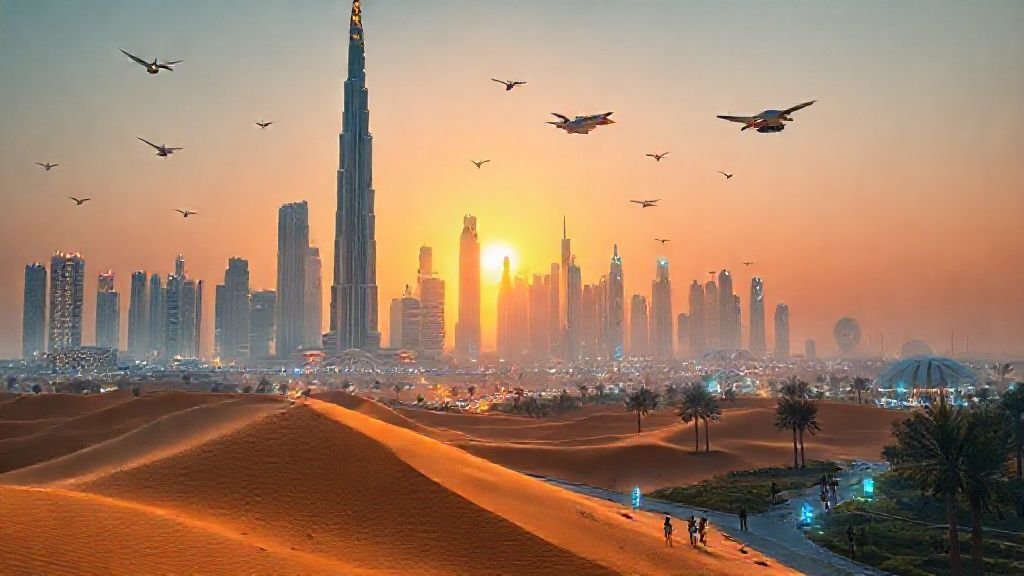
Dubai has always been a city that looks toward the future. From its iconic skyline to its ambitious plans for sustainability, the spirit of innovation is woven into every project. In 2025, the city is stepping into a new era where technology is not just a tool but a living system that powers everyday life, reshaping how residents work, travel, shop and connect.
1. The Birth of a Smart City
When most people think of a smart city, images of connected traffic lights, billboards that update in real time, and drones delivering packages come to mind. Dubai’s journey began with the Smart Dubai programme, which set out to create a city where digital services are delivered more efficiently and transparently. The programme’s core goals were:
- Digital identity for citizens and residents.
- Integrated data platform for city services.
- Smart infrastructure that adapts to real‑time needs.
- Encouragement of start‑ups and tech investment.
These pillars laid the groundwork for a city that can react to the needs of its people instantly, making daily life smoother and more rewarding. This foundation also helped launch a wave of projects that pushed Dubai ahead of the global curve.
2. Artificial Intelligence Takes the Driver’s Seat
Artificial Intelligence (AI) has become the engine behind many of Dubai’s newest achievements. From predictive policing that helps keep streets safe to AI‑powered logistics that reduce delivery times, the technology is changing every sector.
Transportation and Mobility
The Dubai Metro’s robots now run maintenance checks without human intervention. Autonomous buses navigate the sidewalks, delivering passengers between business districts with minimal delays.
Healthcare Revolution
AI algorithms predict potential health risks based on lifestyle and genetic data, allowing doctors to intervene early. Virtual consultations powered by AI chatbots provide instant medical advice, freeing up specialists for complex cases.
Public Safety and Law Enforcement
Machine‑learning models detect unusual crowd movements and highlight potential security threats before they grow. Law‑enforcement drones patrol the city, ensuring that emergency response is swift and efficient.
By embedding AI into everyday services, Dubai turns its metropolis into a responsive organism that learns and grows with its people.
3. Blockchain: The Invisible Ledger of Modern Life
While blockchain has made headlines in finance, its real power lies in its transparency and security. Dubai has leveraged the technology to create tamper‑proof systems across government, healthcare, and logistics.
One notable example is the Digital Health Pass—an immutable record that tracks vaccination, medical history, and health alerts. Similarly, property transactions are recorded on a blockchain, cutting down paperwork and fraud while speeding up closing times.
These applications not only add value for the government but also provide a sense of trust for residents and investors alike.
4. The Architecture of Tomorrow: Smart Skyscrapers and Infrastructure
Dubai’s skyline is home to more than just office space; it is a living laboratory for sustainable design. Buildings now incorporate:
- Energy Harvesting Windows: Transparent solar panels that provide electricity to the building’s systems.
- Responsive Facades: Skin that adjusts to sunlight and temperature, keeping interiors comfortable while lowering energy usage.
- Water Recycling Systems: On‑site purification that reduces municipal water demand.
These features not only reduce carbon footprints but also lower operational costs, making high‑rise living accessible to a wider audience.
5. Technology Hubs and the Start‑up Ecosystem
The city’s growth is driven partly by its vibrant ecosystem for technology start‑ups. Numerous incubators provide mentorship, financing, and access to venture capital. Key areas of focus include:
- FinTech solutions simplifying banking for the cloud‑native generation.
- EdTech platforms that bring personalized learning to anyone on the move.
- HealthTech that integrates wearable data with AI diagnostics.
- Supply chain technology creating end‑to‑end traceability.
Dubai’s open data initiatives give start‑ups a wealth of information—making it easier to test and scale products that fit the local market and can also export worldwide.
6. The Human Touch: Building Tech Culture
Innovation is only as good as the people behind it. Dubai invests heavily in human capital: from schools teaching coding from kindergarten to higher‑education programmes that put AI and blockchain at the forefront.
Workshops lead residents to create their own mini‑projects, giving them a sense of ownership over the urban digital narrative. These efforts foster a public appetite for technology, ensuring that the next wave of ideas will come from diverse voices.
7. Looking Ahead: What Lies Beyond 2025?
The ambition never stops. While 2025 has delivered massive strides, the sights are now set on a more interconnected yet sustainable system.
- Zero‑carbon buildings enabled by nanomaterials.
- Hyper‑fast transport links into the desert, turning islands into bustling hubs.
- Advanced AI that helps residents live healthier lifestyles by predicting needs.
- Fully autonomous commercial districts where order and efficiency thrive.
These future projects are based on data collected in real time, meaning the city can adapt quickly to changing aspirations.
Dubai’s transformation demonstrates how creating a digital ecosystem, backed by supportive policy, can accelerate progress for all residents and set a global example for future city planning.
Want to read more about how Dubai is turning skyscrapers into AI hubs? Explore our story on skyscraper AI transformation.
Curious how the city’s smart system uses AI and blockchain to improve everyday life? Dive into the pulse of Dubai’s tech evolution.
Still wondering how visionary dreams turned into a reality of smart cities and AI? Discover the journey of Dubai’s tech pulse.


Looking for a GCS Crypto Currency Licence and Registration in Dubai?

Best Crypto currency license Services in Dubai

Dubai 2025: The Tech Revolution Unveiled – From Smart Cities to AI‑Driven Innovation

Top 10 Highest-Paying Jobs in Dubai for 2024-25

How Much Does It Cost to Open a Company in Dubai in 2024?

Top 10 Business Opportunities in Dubai for 2024-2025
-

 Business2 years ago
Top 10 Highest-Paying Jobs in Dubai for 2024-25
-
Business2 years ago
How Much Does It Cost to Open a Company in Dubai in 2024?
-
Business2 years ago
Top 10 Business Opportunities in Dubai for 2024-2025
-
Business2 years ago
Best upcoming exhibitions and trade shows in Dubai, 2024
-
Blog2 years ago
Places to Visit in Ras Al Khaimah
-
Sports2 years ago
Top 5 Upcoming International Sporting Events in Dubai (2024-2025)
-
Latest10 months ago
Dubai Golden Visa 2025: Everything You Need to Know About Eligibility, Benefits and Application Process
-
Business2 years ago
Top 5 Networking Events for Businesses in Dubai in 2024