Blog
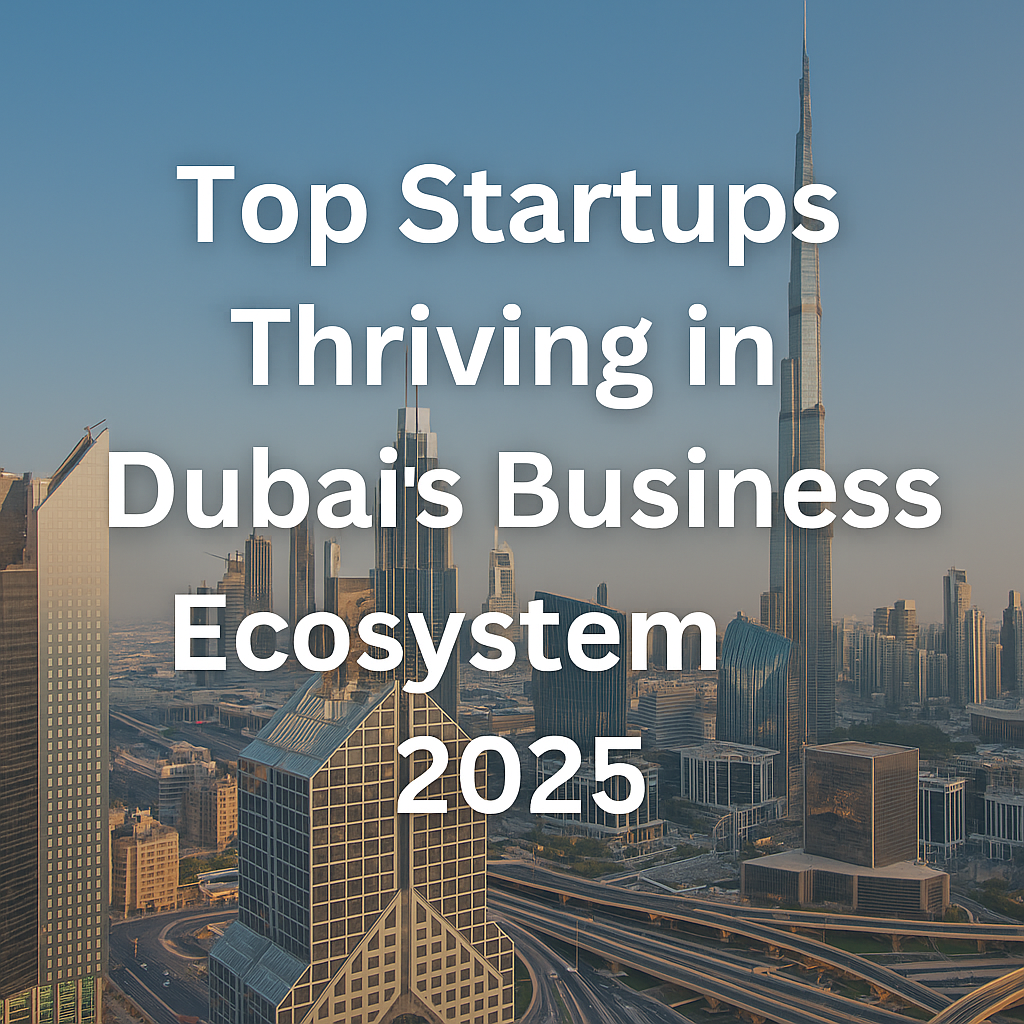
Top Startups Thriving in Dubai’s Business Ecosystem 2025
Dubai has always been known as a global hub for trade, innovation, and entrepreneurship. In 2025, the city’s business ecosystem is more dynamic than ever, attracting investors, founders, and innovators from every corner of the world. Backed by supportive government policies, futuristic infrastructure, and access to regional and international markets, Dubai has become the launchpad for some of the most exciting startups of this decade.
Dubai’s Startup Ecosystem in 2025
The startup culture in Dubai has evolved rapidly, especially after the city’s push towards becoming a global technology and innovation hub. Free zones like DIFC, Dubai Internet City, and IFZA are providing tailored support to entrepreneurs, offering everything from flexible licensing to investor-friendly policies. Coupled with initiatives such as the Dubai Future Foundation and Dubai Startup Hub, founders now have the mentorship, funding, and networking opportunities they need to scale.
For those planning to register their company and join this ecosystem, trusted advisors like InCorpyfy make the process of business setup in Dubai simple and efficient.
Key Sectors Driving Startup Growth
In 2025, startups in Dubai are thriving across multiple industries. The most notable sectors include:
Fintech & Crypto Innovation
With Dubai positioning itself as a leading fintech and crypto hub, startups focusing on blockchain, digital payments, and wealth management platforms are gaining rapid traction. VARA’s clear regulations are creating confidence among investors and founders alike.
E-Commerce & Retail Tech
Dubai’s strong logistics infrastructure and high consumer demand make e-commerce startups some of the fastest-growing players. AI-powered retail tech solutions and hyperlocal delivery services are reshaping the way people shop in the city.
HealthTech & Wellness
Healthcare startups are leveraging AI, telemedicine, and wearable technology to provide smart, personalized healthcare solutions. Dubai’s medical tourism industry is further fueling this sector.
Green & Sustainable Tech
As the UAE moves closer to its Net Zero 2050 strategy, startups in renewable energy, sustainable construction, and eco-friendly lifestyle products are seeing massive opportunities.
Travel, Tourism & Lifestyle
Dubai’s position as a global tourism hub has opened doors for travel-tech, hospitality, and lifestyle startups. From smart booking platforms to AI-based concierge apps, these businesses are shaping the future of tourism.
Examples of Startups Making Waves in 2025
- Tabby – Revolutionizing “buy now, pay later” services in the region.
- Stake – A prop-tech platform that enables fractional investment in Dubai real estate.
- Okadoc – A leading HealthTech startup transforming the patient-doctor experience with instant online bookings.
- Washmen – Dubai’s on-demand laundry and cleaning service, scaling regionally.
- Sarwa – Offering easy, automated investing for individuals across the UAE.
These startups showcase the diversity and ambition of Dubai’s ecosystem, each disrupting its own industry with innovative solutions.
Why Dubai is the Perfect Launchpad for Startups in 2025
Dubai offers unmatched advantages for startups:
- Strategic location connecting Asia, Europe, and Africa
- Access to funding through VCs, accelerators, and government grants
- Tax-friendly policies and free zone incentives
- Advanced digital infrastructure and smart city initiatives
- Multicultural talent pool and global connectivity
If you’re considering setting up a startup in Dubai, InCorpyfy provides expert guidance on choosing the right free zone, licensing, and visa solutions tailored to your business goals.
Future Outlook: Where Dubai’s Startups Are Heading
By 2030, Dubai aims to be among the top global cities for entrepreneurship. With continuous government investment in AI, blockchain, and sustainability, the startup ecosystem is expected to multiply in scale. For founders and investors, 2025 is the perfect time to enter this rapidly growing market.
FAQs About Startups in Dubai’s Business Ecosystem 2025
Q1: Why is Dubai considered the best place for startups in 2025?
Dubai offers tax-free incentives, strategic global connectivity, advanced infrastructure, and supportive government policies. These factors make it one of the most attractive destinations for entrepreneurs worldwide.
Q2: Which industries are booming for startups in Dubai in 2025?
The fastest-growing industries include fintech, crypto innovation, e-commerce, healthtech, green technology, and tourism-focused startups. These sectors are attracting strong investor interest in 2025.
Q3: How can I register a startup in Dubai?
You can set up your startup either in the mainland or a free zone. The process involves choosing the right jurisdiction, business activity, and license. Professional consultants like InCorpyfy simplify the registration process with expert guidance.
Q4: Do Dubai startups get funding support?
Yes, Dubai offers several funding avenues including venture capital, angel investors, accelerators, and government-backed initiatives such as Dubai Future Foundation and Dubai Startup Hub.
Q5: What are the benefits of setting up a startup in a Dubai free zone?
Free zones provide 100% foreign ownership, zero income tax, simplified licensing, and world-class facilities. This makes them highly popular among international entrepreneurs.
Conclusion
The top startups thriving in Dubai’s business ecosystem in 2025 highlight how the city has transformed into a true global innovation powerhouse. From fintech and e-commerce to healthtech and sustainability, entrepreneurs here are building solutions for the future. With strong government backing, world-class infrastructure, and global market access, Dubai remains one of the best destinations to start and scale a business in 2025. For entrepreneurs who want to take the next step, InCorpyfy stands as a trusted business setup partner in Dubai.
Blog
Dubai’s Technology Pulse: How Smart Cities, AI and Blockchain Are Fueling the Future
Dubai has long been known for its iconic skyline, luxury shopping and ambitious construction projects. In recent years, the city has been expanding its vision to become a global hub for technology and innovation. From autonomous vehicles that glide through the streets to blockchain networks that secure millions of transactions, Dubai is turning its futuristic dreams into everyday reality.
Why Technology Matters in Dubai
Dubai’s economic diversification strategy has taught the world that a city’s success is not only about oil and tourism. By investing heavily in technology, Dubai creates a robust ecosystem that attracts talent, capital and ideas. A thriving tech scene offers the following benefits:
- Job creation in high‑value sectors such as data science, cybersecurity, and clean energy.
- Improved government services through digital platforms and smart infrastructure.
- Attracting international investors who want to tap into cutting‑edge solutions.
- Enhanced quality of life for residents through efficient transport, waste management and utilities.
The Smart City Blueprint
The concept of a smart city involves interconnected systems that collect, analyze and act on data to improve city services. Dubai’s Smart City initiatives are being implemented in areas like:
- Connected Roads and Autonomous Vehicles: Self‑driving cars, electric buses and smart traffic lights reduce congestion and lower emissions.
- Digital Government: Citizens can apply for passports, pay utilities and access healthcare services from a single mobile app.
- Green Spaces and Energy Efficiency: Real‑time monitoring of building energy usage helps reduce costs and support the city’s climate goals.
- Safety and Security: Smart cameras and predictive analytics help authorities respond faster to emergencies.
Artificial Intelligence: Driving Decision‑Making
AI is at the heart of many Dubai projects. By turning raw data into actionable insights, AI enables:
- Predictive maintenance for public transport and airport infrastructure.
- Personalized tourism suggestions based on visitor preferences and weather patterns.
- Real‑time logistics optimization for supply chains and freight hubs.
- Enhanced healthcare diagnostics and patient monitoring.
Dubai’s government has even launched an AI strategy that encourages startups and established firms to build solutions for the public sector. In collaboration with local universities and research centers, the city is creating a pipeline of talent and innovation that keeps it ahead of the curve.
Blockchain: Trust in a Digital World
Blockchain technology provides an immutable ledger that can be used for everything from smart contracts to identity management. Dubai’s “Dubai Blockchain Strategy” aims to:
- Digitally transform government services like land registration, commercial licensing, and logistics tariffs.
- Ensure secure and transparent transactions for the real‑estate and freight sectors.
- Create a framework for digital currencies and tokenized assets that attract global investors.
- Maintain a reliable audit trail for critical data, fostering trust among residents and businesses.
By adopting blockchain, Dubai is eliminating paperwork, speeding up processing times, and cutting costs for both public and private sectors.
Interconnected Tech Ecosystem: From Vision to Reality
Technology in Dubai is not a set of isolated projects; it forms a interconnected ecosystem. Startups get access to incubators, mentorship programmes, and funding rounds, while large corporations collaborate with nimble tech firms to roll out pilot projects.
Innovation Hubs and Incubators
Dubai Host 2025 and the Dubai Future Foundation are just two of the many platforms that nurture ideas. These hubs provide:
- Co‑working spaces equipped with high‑speed internet and VR/AR labs.
- Mentorship from industry leaders in fintech, insurtech, and deep tech.
- Pitch events that connect startups with venture capitalists and corporate partners.
Strategic Partnerships
Dubai’s strategic alliances with global tech giants like Microsoft Cloud, Google Cloud, and AWS enable locally built applications to scale globally. These partnerships bring:
- Access to advanced cloud services and AI tools.
- Regular hackathons that tackle city‑wide challenges.
- Training programs that boost digital literacy.
Data‑Driven Governance
The city uses big data dashboards to monitor everything from traffic flows to energy consumption. This data fuels policy decisions that keep Dubai moving toward its 2030 sustainability goals.
Key Projects Shaping Dubai’s Future
Below, we highlight a few flagship projects that showcase the city’s tech trajectory.
Dubai Autonomous Transport
The first driverless metro line will provide a faster, cleaner, and safer travel option for residents and tourists. The project is a partnership between the Dubai Roads and Transport Authority (RTA) and leading autonomous vehicle providers.
Dubai Blockchain Center
Established in 2021, the centre is a hub for blockchain researchers, developers, and policymakers. It serves as the focal point for the Dubai Blockchain Strategy, ensuring cohesive progress across public and private domains.
Smart Waste Management
Using IoT sensors, waste collection routes and schedules are optimized in real time, reducing fuel consumption and methane emissions. Residents receive alerts via a mobile app when trash bins are nearing capacity.
What This Means for Businesses and Residents
Businesses can tap into data analytics platforms, deploy AI-driven customer service bots, and leverage blockchain for secure transactions. Residents, on the other hand, benefit from streamlined services, lower utility costs, and a safer living environment.
For Startups
Dubai offers a supportive environment: low corporate taxes, visa-friendly policies, and a high quality of life. Furthermore, the city’s technology ecosystem provides:
- Access to government data for building AI models.
- Mentorship from seasoned entrepreneurs.
- Funding opportunities through venture capital firms and corporate accelerators.
For Established Companies
Large enterprises can partner with Dubai’s tech hub to deploy pilots, test new business models, and refine digital strategies. The synergy between public initiatives and private ingenuity creates a unique competitive edge.
Future Roadmap: 2025 and Beyond
Dubai’s roadmap is ambitious but clear. By 2025, the city aims to:
- Have a fully integrated autonomous transport network covering all major districts.
- Achieve comprehensive digital government services with a smooth user interface.
- Adopt blockchain for 90% of land and property transactions.
- Operate 80% of municipal utilities through data‑driven optimization.
These milestones will reinforce Dubai’s position as a leader in technology and smart living. The city’s commitment to research, investment and collaboration ensures that the future is both bright and inclusive.
Connecting With Related Insights
For those who want to dive deeper into Dubai’s tech journey, consider reading these complementary articles:
- Dubai’s Tech Pulse – How Smart Cities, AI & Blockchain Are Shaping Tomorrow
- Dubai’s Digital Renaissance – How Smart Cities, AI & Blockchain Are Sculpting Tomorrow
- Dubai’s Technology Pulse – You Can’t Miss This Year
These resources provide additional depth on the themes discussed here, offering practical examples and case studies that illustrate the city’s technological progress.
Conclusion: A City Forward
Dubai’s blend of smart infrastructure, AI adoption, and blockchain implementation is not just transforming the city’s physical landscape. It’s reshaping the way people live, work, and interact. Through proactive policies, strategic collaborations, and a vibrant startup culture, the city is charting a path that many will follow.
By embracing technology, Dubai proves that innovation is a powerful engine for sustainable growth, improved governance, and higher quality of life. Whether you’re a business looking to expand, an entrepreneur seeking new opportunities, or a resident enjoying the perks of a digitized city, the tech revolution in Dubai is one you won’t want to miss.
Blog
Dubai’s Digital Frontier: How Smart Cities, AI, and Blockchain are Redefining Tomorrow
Introduction
Dubai has long been a symbol of ambition, blending tradition with bold innovation. From towering skyscrapers that touch the sky to desert projects that combine art with engineering, the city is constantly pushing boundaries. In recent years, the focus has shifted to technology—specifically to how smart city initiatives, artificial intelligence, and blockchain are reshaping everyday life, the economy, and the way residents and visitors experience the city. This article explores the current roadmap for Dubai’s technology transformation, the forces driving it, and what it means for the future.
What Makes Dubai a Tech Hub?
The foundation of Dubai’s tech awakening is a blend of supportive policy, infrastructure investment, and a visionary leadership that sees technology as a catalyst for growth. The government has implemented specialized free‑zones, such as Dubai Internet City and Dubai Silicon Oasis, that offer a platform for startups and established firms to thrive. Financial incentives, streamlined licensing, and the UAE’s forward‑thinking visa regime create an ecosystem that attracts talent and capital from around the globe.
The Gigantic Leap toward Smart Cities
Smart city solutions aim to make urban life more efficient, sustainable, and connected. In Dubai, the rollout involves IoT sensors embedded in streetlights, waste bins, and traffic signals. This network collects data in real time, allowing city planners to adjust traffic flows, manage energy consumption, and monitor environmental indicators. The goal is not just convenience; it’s about creating resilience and quality of life for citizens.
AI: The Brain Behind the City’s Intelligence
Artificial intelligence has become a cornerstone of Dubai’s technological development. From predictive maintenance for the autonomous public transport system to real‑time language translation at airports, AI powers systems that would otherwise be humanly impossible to manage. The city’s AI initiatives are also geared toward healthcare, where machine learning models help diagnose diseases earlier and personalize treatment plans.
Blockchain: Securing Trust in Digital Transactions
Blockchain offers a tamper‑proof ledger platform that can revolutionize everything from tourism to government services. In Dubai, pilot projects include using blockchain for secure land registry, supply chain verification, and even digital identity authentication. By reducing paperwork and increasing transparency, these initiatives aim to cut costs and build trust among residents and investors.
How Technologies Interact: The Symbiotic Relationship
Real progress emerges when IoT, AI, and blockchain work in concert. Sensors feed data into AI models, which then generate insights that inform decisions. Blockchain provides the audit trail for those decisions, ensuring they are transparent and immutable. This synergy creates a system where feedback loops are continuous and governance is data‑driven.
Real‑World Applications You’re Already Seeing
1. Smart Traffic Management – Sensors on roads detect congestion and automatically adjust traffic lights to smooth traffic flow, cutting commute times by up to 15%.
2. Energy Savings – AI models forecast energy demand in real time, balancing supply from renewable sources with consumption patterns, allowing the city to reduce carbon emissions by 20%.
3. Healthcare Precision – Hospitals use AI to triage patients, prioritise treatment based on urgency, and predict bed occupancy, improving patient outcomes while optimizing resources.
4. Tourism Personalization – Blockchain‑based passport and visa verification streamlined for travelers, while AI chatbots guide visitors through language, sites, and itineraries.
How Dubai’s Government and Private Sector Drive Change
The UAE’s Vision 2025 laid the groundwork by establishing digital transformation goals. Programs such as the Dubai Future Foundation, academia partnerships, and financial incentives create an environment where private companies can experiment with new ideas.”
In private pockets, fintech startups in Dubai are tackling payment security with blockchain, while autonomous vehicle developers are conducting trials on designated test tracks. The synergy between public strategy and private execution is what fuels rapid adoption.
Challenges Ahead and Opportunities for Improvement
While progress is unquestionable, some hurdles remain. Data privacy concerns need robust regulations; workforce skill gaps mean continuous education is key. Infrastructure investment must keep pace with demand, especially as more devices become city‑wide. Yet each challenge opens new avenues: establishing clearer data‑sharing regulations encourages new partnerships; expanding digital literacy programs can empower communities; and investing in green data centers keeps technology environmentally friendly.
Future Outlook: Where Will Dubai Go Next?
Experts predict that by 2030, Dubai will have fully integrated AI decision‑making across core city services, achieved 100% renewable electricity, and become the first urban area to fully implement a blockchain‑based municipal ledger. These milestones are not just aspirational; they are built on current pilot projects that demonstrate viability and scalability.
Learning from the Past: The Success Stories that Matter
Dubai’s transformation offers lessons for other cities. One key instance is the launch of the “Dubai Activa” program, where young innovators could prototype solutions for urban challenges. The success of this initiative inspired similar hackathon models worldwide. Additionally, the seamless integration of AI for real‑time hospitality management showcases how user experience can be dramatically improved with data.
Why Your Insight Matters
Technology is not just for the tech sector; it touches everyone’s everyday life. From the way we commute to how we pay for services, each advancement offers simpler, safer, and more efficient options. Engaging with these developments—staying informed, supporting local initiatives, investing in education—helps shape a future that benefits all residents.
Get Involved and Stay Updated
To keep up with the latest in Dubai’s tech journey, subscribe to newsletters from local tech bodies and follow key influencers on social media. You can also visit relevant events, such as annual tech expos, where leaders present their newest solutions. If you’re curious, dive into one of the following detailed articles: How Smart Cities, AI, and Blockchain Are Shaping Tomorrow, Dubai 2025: The Triple‑Layered Tech Revolution, or How Innovation Is Shaping Tomorrow.
Conclusion
Dubai’s vision of a tech‑savvy, data‑driven city is already unfolding. Smart sensors, AI insights, and blockchain security are no longer parallel tracks; they are interwoven strands of a larger tapestry aimed at making life easier, safer, and greener. The momentum built today will determine what the city looks like in 2030—and beyond. For residents, businesses, and technologists alike, the opportunity is clear: to be part of a transformation that not only reshapes a city, but sets a benchmark for the world.
Blog
Dubai’s Digital Frontier: How Smart Cities, AI, and Blockchain are Redefining Tomorrow
Introduction
Dubai has long been a symbol of ambition, blending tradition with bold innovation. From towering skyscrapers that touch the sky to desert projects that combine art with engineering, the city is constantly pushing boundaries. In recent years, the focus has shifted to technology—specifically to how smart city initiatives, artificial intelligence, and blockchain are reshaping everyday life, the economy, and the way residents and visitors experience the city. This article explores the current roadmap for Dubai’s technology transformation, the forces driving it, and what it means for the future.
What Makes Dubai a Tech Hub?
The foundation of Dubai’s tech awakening is a blend of supportive policy, infrastructure investment, and a visionary leadership that sees technology as a catalyst for growth. The government has implemented specialized free‑zones, such as Dubai Internet City and Dubai Silicon Oasis, that offer a platform for startups and established firms to thrive. Financial incentives, streamlined licensing, and the UAE’s forward‑thinking visa regime create an ecosystem that attracts talent and capital from around the globe.
The Gigantic Leap toward Smart Cities
Smart city solutions aim to make urban life more efficient, sustainable, and connected. In Dubai, the rollout involves IoT sensors embedded in streetlights, waste bins, and traffic signals. This network collects data in real time, allowing city planners to adjust traffic flows, manage energy consumption, and monitor environmental indicators. The goal is not just convenience; it’s about creating resilience and quality of life for citizens.
AI: The Brain Behind the City’s Intelligence
Artificial intelligence has become a cornerstone of Dubai’s technological development. From predictive maintenance for the autonomous public transport system to real‑time language translation at airports, AI powers systems that would otherwise be humanly impossible to manage. The city’s AI initiatives are also geared toward healthcare, where machine learning models help diagnose diseases earlier and personalize treatment plans.
Blockchain: Securing Trust in Digital Transactions
Blockchain offers a tamper‑proof ledger platform that can revolutionize everything from tourism to government services. In Dubai, pilot projects include using blockchain for secure land registry, supply chain verification, and even digital identity authentication. By reducing paperwork and increasing transparency, these initiatives aim to cut costs and build trust among residents and investors.
How Technologies Interact: The Symbiotic Relationship
Real progress emerges when IoT, AI, and blockchain work in concert. Sensors feed data into AI models, which then generate insights that inform decisions. Blockchain provides the audit trail for those decisions, ensuring they are transparent and immutable. This synergy creates a system where feedback loops are continuous and governance is data‑driven.
Real‑World Applications You’re Already Seeing
1. Smart Traffic Management – Sensors on roads detect congestion and automatically adjust traffic lights to smooth traffic flow, cutting commute times by up to 15%.
2. Energy Savings – AI models forecast energy demand in real time, balancing supply from renewable sources with consumption patterns, allowing the city to reduce carbon emissions by 20%.
3. Healthcare Precision – Hospitals use AI to triage patients, prioritise treatment based on urgency, and predict bed occupancy, improving patient outcomes while optimizing resources.
4. Tourism Personalization – Blockchain‑based passport and visa verification streamlined for travelers, while AI chatbots guide visitors through language, sites, and itineraries.
How Dubai’s Government and Private Sector Drive Change
The UAE’s Vision 2025 laid the groundwork by establishing digital transformation goals. Programs such as the Dubai Future Foundation, academia partnerships, and financial incentives create an environment where private companies can experiment with new ideas.”
In private pockets, fintech startups in Dubai are tackling payment security with blockchain, while autonomous vehicle developers are conducting trials on designated test tracks. The synergy between public strategy and private execution is what fuels rapid adoption.
Challenges Ahead and Opportunities for Improvement
While progress is unquestionable, some hurdles remain. Data privacy concerns need robust regulations; workforce skill gaps mean continuous education is key. Infrastructure investment must keep pace with demand, especially as more devices become city‑wide. Yet each challenge opens new avenues: establishing clearer data‑sharing regulations encourages new partnerships; expanding digital literacy programs can empower communities; and investing in green data centers keeps technology environmentally friendly.
Future Outlook: Where Will Dubai Go Next?
Experts predict that by 2030, Dubai will have fully integrated AI decision‑making across core city services, achieved 100% renewable electricity, and become the first urban area to fully implement a blockchain‑based municipal ledger. These milestones are not just aspirational; they are built on current pilot projects that demonstrate viability and scalability.
Learning from the Past: The Success Stories that Matter
Dubai’s transformation offers lessons for other cities. One key instance is the launch of the “Dubai Activa” program, where young innovators could prototype solutions for urban challenges. The success of this initiative inspired similar hackathon models worldwide. Additionally, the seamless integration of AI for real‑time hospitality management showcases how user experience can be dramatically improved with data.
Why Your Insight Matters
Technology is not just for the tech sector; it touches everyone’s everyday life. From the way we commute to how we pay for services, each advancement offers simpler, safer, and more efficient options. Engaging with these developments—staying informed, supporting local initiatives, investing in education—helps shape a future that benefits all residents.
Get Involved and Stay Updated
To keep up with the latest in Dubai’s tech journey, subscribe to newsletters from local tech bodies and follow key influencers on social media. You can also visit relevant events, such as annual tech expos, where leaders present their newest solutions. If you’re curious, dive into one of the following detailed articles: How Smart Cities, AI, and Blockchain Are Shaping Tomorrow, Dubai 2025: The Triple‑Layered Tech Revolution, or How Innovation Is Shaping Tomorrow.
Conclusion
Dubai’s vision of a tech‑savvy, data‑driven city is already unfolding. Smart sensors, AI insights, and blockchain security are no longer parallel tracks; they are interwoven strands of a larger tapestry aimed at making life easier, safer, and greener. The momentum built today will determine what the city looks like in 2030—and beyond. For residents, businesses, and technologists alike, the opportunity is clear: to be part of a transformation that not only reshapes a city, but sets a benchmark for the world.
-
Business2 years agoTop 10 Highest-Paying Jobs in Dubai for 2024-25
-
Business2 years agoTop 10 Business Opportunities in Dubai for 2024-2025
-
Business1 year agoBest upcoming exhibitions and trade shows in Dubai, 2024
-
Business1 year agoHow Much Does It Cost to Open a Company in Dubai in 2024?
-
Sports2 years agoTop 5 Upcoming International Sporting Events in Dubai (2024-2025)
-
Blog1 year agoPlaces to Visit in Ras Al Khaimah
-
Business2 years agoTop 5 Networking Events for Businesses in Dubai in 2024
-
Entertainment2 years agoTop 10 Must-See Shows in Dubai: From Broadway Musicals to Acrobatic Spectacles