Business
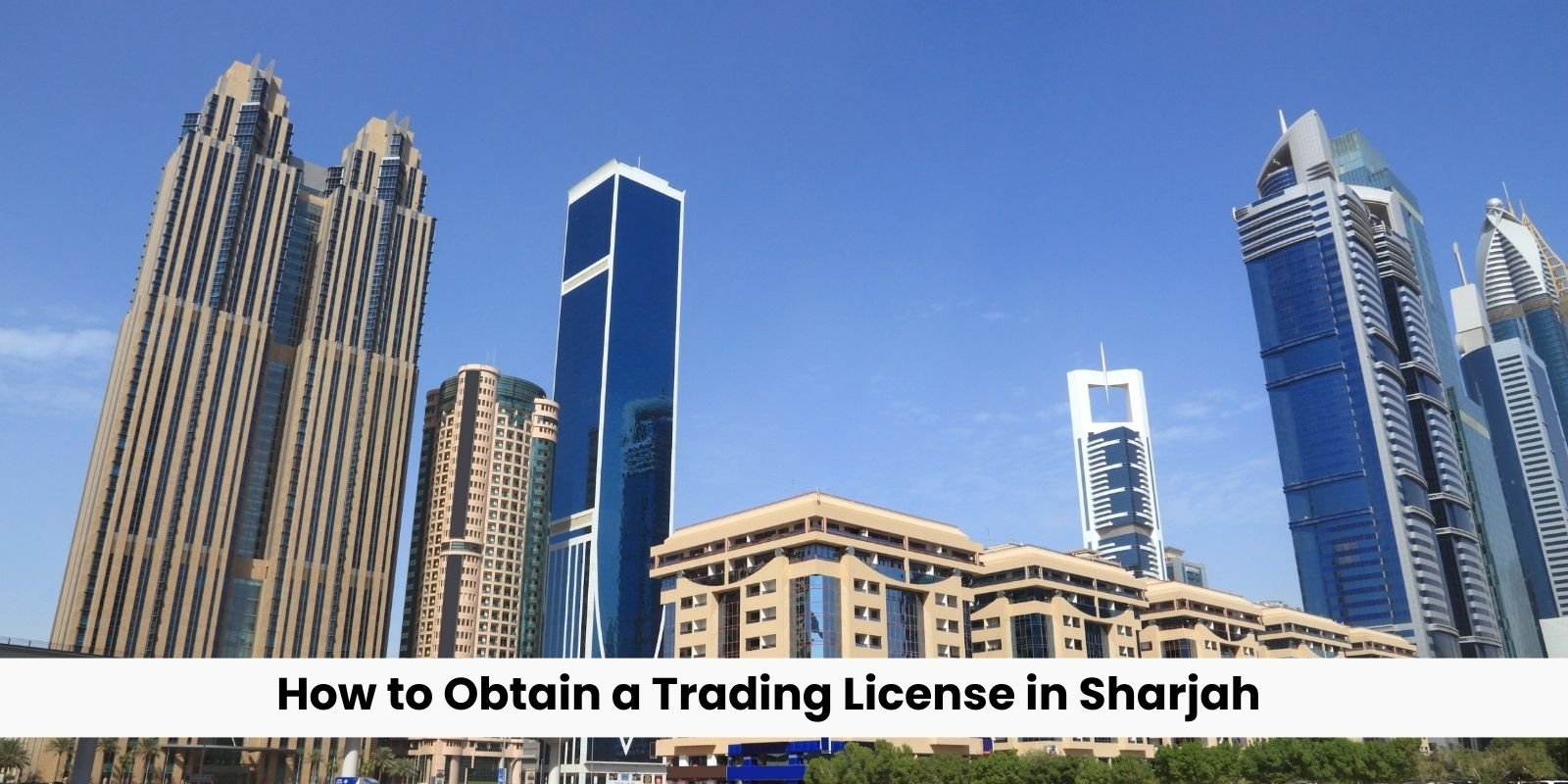
How to Obtain a Trading License in Sharjah

- /home/u134898463/domains/explore-dubai.com/public_html/wp-content/plugins/mvp-social-buttons/mvp-social-buttons.php on line 27
https://explore-dubai.com/wp-content/uploads/2024/07/How-to-Obtain-a-Trading-License-in-Sharjah--1000x600.jpg&description=How to Obtain a Trading License in Sharjah', 'pinterestShare', 'width=750,height=350'); return false;" title="Pin This Post">
- Share
- Tweet /home/u134898463/domains/explore-dubai.com/public_html/wp-content/plugins/mvp-social-buttons/mvp-social-buttons.php on line 72
https://explore-dubai.com/wp-content/uploads/2024/07/How-to-Obtain-a-Trading-License-in-Sharjah--1000x600.jpg&description=How to Obtain a Trading License in Sharjah', 'pinterestShare', 'width=750,height=350'); return false;" title="Pin This Post">
Sharjah, one of the prominent emirates in the United Arab Emirates (UAE), is an increasingly attractive destination for businesses. Known for its strategic location, business-friendly environment, and robust infrastructure, Sharjah offers lucrative opportunities for traders and entrepreneurs. This comprehensive guide will walk you through the process of obtaining a Trading License in Sharjah in 2024, highlighting the key steps, benefits, and considerations. Whether you’re looking to establish a Free Zone Trading Company in the UAE or set up a general trading company in Sharjah, this article covers everything you need to know.
Understanding the Importance of a Trading License
A Trading License is a crucial document for any business engaged in trading activities in Sharjah. It authorizes companies to conduct commercial activities, including importing, exporting, and trading goods. Having a valid Trading License not only ensures compliance with local regulations but also builds trust with clients and partners.
Types of Trading Licenses in Sharjah
Sharjah offers different types of trading licenses to cater to various business needs. The two main categories are:
1. Mainland Trading License
A Mainland Trading License allows businesses to operate within the local market and engage in trading activities across the UAE. This type of license is ideal for businesses targeting the local market and those that require a physical office space in Sharjah.
2. Free Zone Trading License
A Free Zone Trading License permits businesses to operate within designated free zones in Sharjah. Free zones offer numerous advantages, including 100% foreign ownership, tax exemptions, and simplified business setup procedures. This type of license is perfect for businesses looking to trade internationally and benefit from the incentives offered by free zones.
Steps to Obtain a Trading License in Sharjah
Obtaining a Trading License in Sharjah involves several steps. Here’s a detailed guide to help you navigate the process smoothly:
1. Choose the Right Business Activity
The first step is to determine the specific trading activities your business will engage in. Sharjah’s Department of Economic Development (DED) provides a comprehensive list of business activities. Ensure that your chosen activity aligns with the licensing requirements.
2. Select the Appropriate License Type
Based on your business activities and target market, decide whether you need a Mainland Trading License or a Free Zone Trading License. Each type has its own set of benefits and limitations.
3. Reserve a Trade Name
Choosing a unique and relevant trade name is essential. The trade name must comply with Sharjah’s naming conventions and should not infringe on any existing trademarks. Once selected, you can reserve the trade name through the DED’s online portal.
4. Apply for Initial Approval
Submit an application for initial approval to the DED. This approval indicates that the government has no objection to your business setup. The application should include details about your business activities, trade name, and ownership structure.
5. Draft a Memorandum of Association (MOA)
For Mainland Trading Licenses, drafting a Memorandum of Association (MOA) is a mandatory step. The MOA outlines the ownership structure, business activities, and responsibilities of the shareholders. It must be notarized by a public notary in Sharjah.
6. Choose a Business Location
Selecting a suitable business location is crucial for obtaining a Trading License. For Mainland licenses, you need to secure a physical office space. Free Zone companies can choose from a variety of office spaces within the free zones.
7. Obtain Necessary Approvals
Certain business activities may require additional approvals from specific government departments. For example, trading in pharmaceuticals or chemicals may require approvals from health and safety authorities.
8. Submit Final Application and Pay Fees
Once all the necessary documents and approvals are in place, submit the final application to the DED or the relevant free zone authority. Pay the required license fees, which vary depending on the license type and business activity.
Benefits of Obtaining a Trading License in Sharjah
Securing a Trading License in Sharjah offers numerous advantages for businesses:
1. Strategic Location
Sharjah’s strategic location provides easy access to major markets in the Middle East, Africa, and Asia. Its proximity to Dubai further enhances its appeal as a business hub.
2. Business-Friendly Environment
Sharjah offers a supportive business environment with streamlined procedures, modern infrastructure, and a robust legal framework. The government continually introduces initiatives to attract foreign investment and foster economic growth.
3. Tax Incentives
Businesses operating in Sharjah enjoy various tax incentives, including zero corporate tax and no personal income tax. Free zone companies benefit from additional tax exemptions and repatriation of profits.
4. Access to Free Zones
Sharjah’s free zones, such as the Sharjah Airport International Free Zone (SAIF Zone) and Hamriyah Free Zone, offer a range of benefits, including 100% foreign ownership, full repatriation of profits, and simplified import/export procedures.
Costs Involved in Obtaining a Trading License in Sharjah
The cost of obtaining a Trading License in Sharjah can vary based on several factors such as the type of license, business activities, and office space requirements. Here is a detailed breakdown of the typical costs involved:
1. Trade Name Reservation Fee
- Cost: AED 500 to AED 1,000
- Details: The fee for reserving a trade name varies depending on the uniqueness and category of the name.
2. Initial Approval Fee
- Cost: AED 1,000 to AED 3,000
- Details: This fee covers the cost of reviewing and approving your business setup application. It varies based on the business activity and license type.
3. License Fee
- Mainland Trading License
- Cost: AED 10,000 to AED 15,000 annually
- Details: The cost of a mainland license depends on the scope of business activities and the type of license issued by the Department of Economic Development (DED).
- Free Zone Trading License
- Cost: AED 9,000 to AED 15,000 annually
- Details: Free zone licenses generally have different fee structures and may include additional benefits such as office space and visa quotas.
4. Office Space Rent
- Mainland Office Rent
- Cost: AED 20,000 to AED 50,000 annually (depending on location and size)
- Details: Renting a physical office space is mandatory for mainland licenses. Costs vary based on location, size, and facilities.
- Free Zone Office Packages
- Cost: AED 10,000 to AED 25,000 annually
- Details: Free zone companies can choose from various office packages, including flexi-desk and dedicated office spaces.
5. Memorandum of Association (MOA) Drafting and Notarization
- Cost: AED 1,000 to AED 3,000
- Details: For Mainland Trading Licenses, drafting and notarizing the MOA is a mandatory step. Costs depend on legal fees and notary charges.
6. Additional Approval Fees
- Cost: AED 500 to AED 5,000
- Details: Certain business activities may require additional approvals from specific government departments, which may incur extra fees. For example, businesses trading pharmaceuticals or chemicals may need special permits.
7. Visa Fees
- Cost: AED 3,000 to AED 7,000 per visa
- Details: The cost of visa processing depends on the number of visas required for employees and shareholders.
8. Administrative and Service Fees
- Cost: AED 1,000 to AED 3,000
- Details: These fees cover administrative and service charges related to document processing and application submissions.
Total Estimated Costs
The total cost for obtaining a Trading License in Sharjah can range from AED 30,000 to AED 80,000 or more, depending on various factors such as the type of license, office space, and additional approvals. It is important to budget accordingly and factor in all potential expenses to ensure a smooth business setup process.
Setting Up a General Trading Company in Sharjah
Setting up a general trading company in Sharjah involves specific steps and considerations. A general trading license allows businesses to trade a wide range of goods, making it a versatile option for entrepreneurs.
1. Define Your Trading Activities
Identify the specific products you intend to trade under the general trading license. Ensure that your chosen activities comply with the regulations set by the DED or the relevant free zone authority.
2. Draft a Comprehensive Business Plan
A well-structured business plan is essential for obtaining a general trading license. It should outline your business objectives, target market, product range, marketing strategy, and financial projections.
3. Choose the Right Jurisdiction
Decide whether you want to set up your general trading company in the mainland or within a free zone. Each jurisdiction offers unique benefits, so choose the one that aligns with your business goals.
4. Complete the Licensing Process
Follow the steps outlined earlier to obtain the necessary approvals, draft the MOA, secure a business location, and submit the final application. Pay the required fees and obtain your general trading license.
Opening a Business Bank Account in Dubai
Once you have obtained your Trading License in Sharjah, opening a business bank account in Dubai is a critical step. A business bank account allows you to manage your finances, receive payments, and conduct transactions smoothly.
1. Choose the Right Bank
Dubai offers a wide range of banking options, including local and international banks. Research and compare different banks to find the one that best suits your business needs.
2. Prepare the Required Documents
To open a business bank account, you will need to provide several documents, including your Trading License, MOA, passport copies of shareholders, and proof of address. Each bank may have specific requirements, so check with your chosen bank for a detailed list.
3. Submit the Application
Submit your application along with the required documents to the chosen bank. The bank will review your application and conduct due diligence checks.
4. Await Approval
The approval process may take a few days to a few weeks, depending on the bank’s procedures and the complexity of your application. Once approved, you can start using your business bank account for transactions.
Common Challenges and How to Overcome Them
While obtaining a Trading License in Sharjah is a straightforward process, businesses may encounter some challenges. Here are common challenges and tips on how to overcome them:
1. Navigating Regulatory Requirements
Understanding and complying with the regulatory requirements can be complex. To overcome this, consider seeking professional assistance from business setup consultants who have expertise in Sharjah’s regulations.
2. Choosing the Right Business Activity
Selecting the appropriate business activity is crucial. Research thoroughly and consult with industry experts to ensure that your chosen activity aligns with your business goals and complies with local regulations.
3. Securing a Suitable Business Location
Finding the right business location can be challenging, especially in the mainland. Start your search early and consider factors such as proximity to clients, accessibility, and facilities.
4. Managing Costs
The costs involved in obtaining a Trading License can add up. Plan your budget carefully and explore cost-effective options, such as free zone office packages, to manage expenses effectively.
Final Thoughts
Obtaining a Trading License in Sharjah in 2024 opens up numerous opportunities for businesses looking to tap into the thriving UAE market. Whether you choose a Mainland Trading License or a Free Zone Trading License, the process involves several steps, including choosing the right business activity, securing necessary approvals, and paying the required fees. By understanding the requirements and benefits, you can navigate the process smoothly and set up a successful trading business in Sharjah. Remember to seek professional guidance when needed and stay updated with the latest regulations to ensure a hassle-free setup and operation of your trading company. The strategic advantages and supportive business environment in Sharjah make it an ideal location for entrepreneurs aiming to establish a robust trading presence in the UAE.

Top Strategies for Smart Real Estate Investment in Dubai
Investing in Dubai’s real estate market can be a lucrative venture, offering numerous opportunities for both locals and international investors. With its booming economy and strategic location, Dubai has positioned itself as a hub for cultural, business, and architectural marvels. This guide explores top strategies to improve your investment outcomes, focusing on diversification, leveraging crowdfunding platforms, and maximizing your returns.
Understanding the Market Landscape
Dubai’s real estate market is known for its rapid growth and diverse offerings. The sector encompasses various property types including residential, commercial, and industrial. For prospective investors, familiarizing oneself with the market dynamics is crucial. Key trends currently shaping the landscape include:
- Increased demand for luxury properties fueled by expatriate settlements.
- The ongoing development of free zones, offering tax advantages and enhancing investment appeal.
- The government’s focus on sustainability and smart cities, attracting a new wave of investors.
Understanding these aspects will help investors make informed decisions that align with their financial goals.
Diversification Strategy: Mitigating Risks
A successful investment strategy relies on diversification. By spreading your investments across various property types, you can minimize risks associated with market fluctuations. Here are key diversification tactics:
- Invest in Different Property Types: Consider a mix of residential, commercial, and industrial properties to balance potential risks and returns.
- Geographical Diversification: Invest in properties located in different areas of Dubai, such as Downtown, Dubai Marina, and emerging neighborhoods like Dubai Creek Harbour.
- Use Crowdfunding Platforms: Platforms like SmartCrowd allow investors to pool funds into larger properties, reducing individual risk while still offering access to high-quality investments.
This diversification not only helps stabilize your portfolio but also enhances the potential for passive income.
Leveraging Crowdfunding for Real Estate Investment
Real estate crowdfunding has emerged as a popular method for investors to enter the market without substantial upfront capital. This model offers a democratized approach to property investment, allowing individuals to contribute small amounts towards larger projects. The benefits of using a crowdfunding platform like SmartCrowd include:
- Low Minimum Investment: Investors can start with as little as AED 500, making it accessible to more people.
- Professional Management: Crowdfunding platforms typically manage the investments, taking away the stress of property management and allowing for a more hands-off approach.
- Portfolio Diversification: Investors can put money into multiple crowdfunding projects, spreading risk across different properties and locations.
This innovative funding model not only enhances liquidity in the market but also provides investors with the opportunity to earn high returns that traditional investing methods may not offer.
Understanding Returns and Investment Structures
High returns are often the main draw for real estate investment in Dubai. Understanding the different structures that define potential returns is essential:
- Rental Yields: Dubai’s rental market offers attractive yields, often ranging from 6% to 10% depending on the area and type of property.
- Capital Appreciation: Properties can appreciate significantly, especially in high-demand areas, enhancing the overall return on investment.
- Short-Term Rentals: Platforms like Airbnb enable property owners to earn income through short-term rentals, providing higher returns compared to traditional leasing.
These factors contribute significantly to the appeal of investing in Dubai real estate, highlighting the importance of strategic planning and market research.
Consideration of Regulatory Framework
Investors must navigate Dubai’s regulatory environment to ensure compliance and maximize their investment potential. Key regulations to be aware of include:
- Property Ownership Laws: Foreign ownership is allowed in designated areas, which is crucial for expatriate investors.
- Regulatory Bodies: The Dubai Land Department (DLD) and Real Estate Regulatory Agency (RERA) govern the market, providing guidelines for transparent property transactions.
- Legal Framework: It’s advisable to consult with legal experts familiar with Dubai’s property laws to avoid pitfalls and ensure a smooth investment process.
The understanding of regulations not only safeguards your investment but also builds credibility amongst local stakeholders.
Golden Visa and Long-term Investment Benefits
The UAE offers a Golden Visa program, which grants long-term residency to investors and their families who invest in real estate. This program is attractive for several reasons:
- Stability: Securing a Golden Visa provides a reliable residency option, making it easier for you and your family to live and work in Dubai.
- Access to Exclusive Opportunities: Golden Visa holders often have access to special investment opportunities in high-profile developments.
- Potential Tax Benefits: Investing through this program may offer favorable tax conditions, making your investment more lucrative.
By leveraging such initiatives, investors can not only increase their financial portfolios but also benefit from the lifestyle that Dubai offers.
Frequently Asked Questions about Real Estate Investment
Which real estate investment is best?
The best investment often depends on individual financial goals and risk tolerance. For long-term stability, residential properties can be ideal, while commercial properties might offer higher yields with more risk.
How to invest 2000 dirhams in the UAE?
With AED 2,000, consider participating in real estate crowdfunding platforms that allow for fractional investments in properties, providing an opportunity to earn passive income with a lower financial barrier.
What creates 90% of millionaires?
Real estate investment is a significant contributor to wealth creation, offering potential for capital appreciation and recurring income streams.
Can I invest $100 dollars in real estate?
While traditional real estate purchases require larger sums, crowdfunding platforms allow for investments starting from low amounts, making it accessible to those with limited capital.
Investing in Dubai’s real estate market presents a myriad of opportunities. By employing strategies such as diversification, utilizing crowdfunding platforms, and understanding market regulations, investors can position themselves for success in this dynamic landscape. For more insights, consider browsing our articles on starting a business in Dubai, or explore how to choose the best consultant for navigating the complexities of property investment.
Starting a construction company in Saudi Arabia can be a lucrative endeavor. The kingdom is rapidly expanding, and with projects like Vision 2030, there is no shortage of opportunities in the construction sector. However, navigating the process can be daunting without proper guidance. This blog post aims to provide you with a detailed, human-centered guide to starting your construction company in Saudi Arabia, while also incorporating some key insights into business setups in Dubai.
1. Understanding the Market: Why Saudi Arabia?The Booming Construction Sector
Saudi Arabia’s construction sector is booming, thanks to mega-projects like NEOM, the Red Sea Project, and the expansion of Mecca. The government’s Vision 2030 plan aims to diversify the economy and reduce dependency on oil, leading to an influx of investments in infrastructure, tourism, and entertainment sectors. This means there is a substantial demand for construction services.
Strategic Geographical PositionSaudi Arabia’s strategic geographical position at the crossroads of Europe, Asia, and Africa makes it an attractive location for business. The kingdom serves as a gateway to other Middle Eastern countries, offering a broad market reach for your construction business.
2. Initial Planning: Setting the FoundationConducting Market ResearchBefore you dive into the construction business, thorough market research is crucial. Understand the current market trends, identify potential competitors, and gauge the demand for specific construction services. This research will help you make informed decisions and tailor your services to meet market needs.
Defining Your Business ScopeDetermine the scope of your construction company. Will you focus on residential buildings, commercial projects, or infrastructure development? Clearly defining your business scope will help streamline your operations and marketing strategies.
3. Legal Formalities: Navigating RegulationsBusiness Registration and LicensingThe first step in setting up your construction company is to register your business with the Saudi Arabian General Investment Authority (SAGIA). Ensure that you comply with all regulatory requirements, including obtaining necessary licenses for construction activities. This process involves submitting a detailed business plan, financial statements, and other relevant documents.
Understanding Saudi Labor LawsSaudi labor laws are stringent, and it’s essential to familiarize yourself with them. This includes understanding employment contracts, work permits for expatriates, and compliance with Saudization policies, which require a certain percentage of your workforce to be Saudi nationals.
4. Financial Planning: Securing Your FundsEstimating Startup CostsEstimating the initial investment required to start your construction company is crucial. This includes costs for business registration, licensing, office setup, equipment purchase, and hiring staff. Having a clear financial plan will help you manage your resources efficiently.
Exploring Funding OptionsExplore various funding options to secure the capital needed for your business. This could include personal savings, bank loans, or attracting investors. The Saudi government also offers financial support and incentives for businesses that align with Vision 2030.
5. Building Your Team: Recruiting the Right TalentHiring Skilled ProfessionalsYour construction company’s success largely depends on the skills and expertise of your team. Hire experienced professionals, including engineers, project managers, and skilled laborers. Ensure that your team is well-versed in modern construction techniques and safety protocols.
Training and DevelopmentInvest in training and development programs to enhance your team’s skills and keep them updated with the latest industry trends. This will not only improve the quality of your projects but also boost employee morale and retention.
6. Acquiring Equipment: Investing in the Right ToolsSelecting High-Quality EquipmentInvesting in high-quality construction equipment is essential for the efficient execution of projects. This includes machinery like excavators, cranes, and concrete mixers. Ensure that your equipment meets industry standards and is regularly maintained to avoid downtime.
Leasing vs. BuyingDecide whether to lease or buy construction equipment based on your financial situation and project requirements. Leasing can be a cost-effective option for short-term projects, while buying might be more economical for long-term use.
7. Marketing Your Business: Attracting ClientsCreating a Strong Brand IdentityBuilding a strong brand identity is crucial for attracting clients. Develop a professional logo, create a user-friendly website, and maintain a consistent brand image across all marketing channels. Highlight your expertise, successful projects, and client testimonials to build credibility.
Utilizing Digital MarketingLeverage digital marketing strategies to reach a wider audience. This includes search engine optimization (SEO), social media marketing, and content marketing. Utilize keywords like “business setup in Dubai,” “company registration in Dubai,” and “company formation in Dubai” to attract potential clients looking for construction services in the region.
8. Networking: Building Strong RelationshipsConnecting with Industry StakeholdersNetworking with industry stakeholders, including suppliers, subcontractors, and government officials, is essential for your construction business. Attend industry events, join construction associations, and participate in trade shows to build valuable connections.
Collaborating with Other BusinessesConsider collaborating with other businesses in the construction industry. This could include joint ventures, partnerships, or subcontracting agreements. Collaborations can help you expand your services, share resources, and increase your market reach.
9. Ensuring Compliance: Meeting Industry StandardsAdhering to Safety RegulationsSafety is paramount in the construction industry. Ensure that your company complies with all safety regulations and industry standards. This includes providing personal protective equipment (PPE) to workers, conducting regular safety training, and implementing safety protocols on-site.
Quality AssuranceImplement strict quality control measures to ensure that your projects meet the highest standards. This includes regular inspections, using high-quality materials, and adhering to project timelines. Delivering quality work will enhance your reputation and attract repeat business.
10. Expanding Your Business: Future GrowthExploring New MarketsOnce your construction company is established, consider expanding to new markets within Saudi Arabia or even internationally. Conduct market research to identify potential opportunities and develop a strategic plan for expansion.
Investing in TechnologyInvesting in modern construction technologies can give your business a competitive edge. This includes Building Information Modeling (BIM), drones for site inspections, and project management software. Embracing technology will improve efficiency, reduce costs, and enhance project outcomes.
11. Learning from Dubai: Business Setup InsightsComparing Business EnvironmentsWhile setting up a business in Saudi Arabia, it’s beneficial to learn from the business environment in Dubai. Dubai is known for its business-friendly policies, streamlined company registration processes, and low-cost business setup options. Understanding these aspects can provide valuable insights for your own business setup.
Incorporating Best PracticesIncorporate best practices from Dubai’s business setup process. This includes efficient company registration, leveraging free zones for tax benefits, and maintaining transparency in business operations. Adopting these practices can enhance your business setup experience in Saudi Arabia.
12. Final Thoughts: Your Path to SuccessStarting a construction company in Saudi Arabia requires careful planning, adherence to regulations, and strategic decision-making. By understanding the market, securing funding, building a skilled team, and leveraging marketing strategies, you can establish a successful construction business in the kingdom. Keep learning, adapting, and innovating to stay ahead in this dynamic industry. And remember, insights from other business hubs like Dubai can offer valuable lessons for your journey.With this comprehensive guide, you are now equipped with the knowledge and tools to start your construction company in Saudi Arabia. The kingdom’s booming construction sector, coupled with strategic planning and execution, can pave the way for your success. Best of luck on your entrepreneurial journey
Dubai is a global hub for commerce, tourism, and trade. With its growing population, multicultural environment, and a booming retail sector, opening a grocery store in Dubai can be a lucrative business venture. This blog will guide you through the steps to establish your Grocery store setup in Dubai, the costs involved, and essential factors to consider.
Benefits of Opening a Grocery Store in Dubai
A Thriving Retail Market
Dubai’s retail sector is one of the fastest-growing in the world, driven by its cosmopolitan population and high disposable income. The demand for daily essentials makes grocery stores an evergreen business opportunity. Moreover, with the government’s push for economic diversification, retail businesses, including grocery stores, are thriving.
- Dubai offers an excellent platform for entrepreneurs seeking retail business registration in Dubai, providing access to both local and international consumers.
- The city’s strategic location makes it easy to import high-quality goods, offering a competitive edge in the market.
Government Support for Entrepreneurs
The UAE government actively supports business owners by offering streamlined processes for obtaining a Dubai grocery store business license. Initiatives like reduced tax burdens and access to free zones make it easier to set up and grow your business.
- Setting up your Grocery store setup in Dubai comes with the added advantage of investor-friendly policies.
- Additionally, the rising popularity of online grocery delivery services opens avenues to diversify your offerings.
How To Start a Grocery Store in Dubai?
Starting a grocery store in Dubai involves a series of steps that ensure your business complies with local regulations while meeting market demands. Here’s how you can get started:
Choose the Right Business Structure
The first step in your business setup in Dubai is deciding whether to operate in a mainland area or a free zone. While free zones offer tax benefits, mainland registration allows you to cater to the local market.
- Mainland businesses require a local sponsor, who will own 51% of the business, while you retain full operational control.
- Alternatively, free zones like the Dubai Multi Commodities Centre (DMCC) offer 100% foreign ownership.
Obtain a Dubai Grocery Store Business License
Securing a Dubai grocery store business license is essential to operate legally. This involves:
- Registering your business name with the Department of Economic Development (DED).
- Submitting a detailed business plan outlining your store’s structure, operations, and revenue model.
Once approved, you will receive your license, allowing you to begin operations.
Location and Premises Selection
Selecting the right location is crucial for your Grocery store setup in Dubai. High foot traffic areas such as residential communities or commercial hubs are ideal. Ensure your premises meet the local municipality’s health and safety standards.
Cost of Starting a Grocery Store in Dubai
Key Expenses to Consider
The cost to open a grocery store in Dubai depends on several factors, including the size of your store, its location, and inventory requirements.
- Dubai grocery store business license fees: Expect to pay AED 10,000–15,000, depending on the nature of your license.
- Premises rental: Depending on the area, rental costs can range from AED 50,000 to over AED 200,000 annually.
Other Costs
- Initial setup fees: These include registration fees with the DED or free zone authorities, ranging between AED 5,000–10,000.
- Inventory costs: Stocking your store with essential items may require an initial investment of AED 30,000–50,000.
- Staffing: Salaries for staff and managers typically range between AED 2,000–5,000 per person, per month.
With proper planning, the cost to open a grocery store in Dubai can be optimized, ensuring you remain within budget while offering quality services.
Factors to Consider Before Starting a Grocery Store Business in Dubai
Market Research and Target Audience
Before embarking on your grocery business registration in Dubai, conduct thorough market research to understand consumer needs, competition, and market trends.
- Identify the products that are in high demand among Dubai’s diverse population.
- Assess competition in your chosen area to position your store effectively.
Legal and Regulatory Compliance
Dubai has strict regulations for the food and beverage industry, which you must adhere to.
- Ensure your store meets Dubai Municipality guidelines for food storage and safety.
- Regular inspections may be conducted, so maintaining high standards is essential for long-term success.
3. Technology and Online Presence
Incorporating technology can give your Grocery store setup in Dubai a competitive edge.
- Consider launching an online grocery delivery service to reach tech-savvy customers.
- Use inventory management software to streamline operations and reduce costs.
Additional Tips for Success
Build Strong Supplier Relationships
Partnering with reliable suppliers ensures consistent quality and availability of products. Dubai’s proximity to international trade routes makes it easier to import goods at competitive prices.
Offer Excellent Customer Service
Exceptional customer service can set your store apart from competitors. Train your staff to be courteous, knowledgeable, and efficient.
Starting a grocery store in Dubai offers immense potential for growth and profitability. By understanding the process, managing costs effectively, and adhering to local regulations, you can establish a successful business in this vibrant city. Whether you aim to operate a small neighborhood store or a large supermarket, Dubai provides a dynamic and supportive environment for retail entrepreneurs.
Requirements to Open a Grocery Store in Dubai
Opening a grocery store in Dubai involves meeting specific legal, operational, and logistical requirements to ensure compliance with local regulations. Here’s a detailed breakdown of what you need:
1. Business License
Obtaining a Dubai grocery store business license from the Department of Economic Development (DED) is mandatory. The process involves:
- Choosing a trade name and getting it approved.
- Submitting a business plan and application for license issuance.
- Paying the required licensing fees.
2. Approvals and Permits
Additional permits from relevant authorities may be needed based on the nature of your store.
- Food safety approvals from the Dubai Municipality.
- Health and hygiene inspections for the premises.
3. Business Setup Essentials
Before you start operations, you need to fulfill basic setup requirements:
- Renting a suitable location that complies with zoning regulations.
- Acquiring equipment like shelves, refrigeration units, and point-of-sale systems.
4. Staffing Requirements
Hiring trained personnel to manage store operations, customer service, and inventory is crucial. Ensure all staff possess valid work permits.
5. Financial Planning
Proper budgeting is critical to cover the cost to open a grocery store in Dubai, including:
- Inventory procurement.
- Operational expenses like rent, salaries, and utilities.
6. Compliance with Retail Laws
Adhering to retail laws is essential for a successful Grocery store setup in Dubai. This includes:
- Displaying clear pricing and ensuring accurate billing.
- Complying with consumer protection laws.
Meeting these requirements ensures a seamless setup and smooth operation of your grocery store, positioning you for long-term success in Dubai’s thriving retail market.
Frequently Asked Questions (FAQs)
1. What are the key steps for Grocery Store Setup in Dubai?
To set up a grocery store in Dubai:
- Choose a business structure (mainland or free zone).
- Register your trade name with the Department of Economic Development (DED).
- Obtain a Dubai grocery store business license.
- Secure a commercial space in a strategic location.
- Comply with food safety and hygiene regulations.
2. How much does it cost to open a grocery store in Dubai?
The cost to open a grocery store in Dubai varies based on factors like location, store size, and initial inventory. Key costs include:
- Licensing and registration fees: AED 10,000–20,000.
- Rent: AED 50,000–200,000 annually, depending on the location.
- Inventory and equipment: AED 30,000–70,000.
3. Do I need special permits to operate a grocery store in Dubai?
Yes, grocery store operations require:
- A Dubai grocery store business license issued by the DED.
- Food safety approvals and permits from the Dubai Municipality.
4. Can a grocery store be set up in a Dubai free zone?
Yes, you can set up a grocery store in a free zone. However, selling directly to the local market may require additional permissions or partnerships with local distributors.
5. What factors affect the success of a grocery store in Dubai?
Success depends on:
- Strategic location with high foot traffic.
- Competitive pricing and product variety.
- Effective marketing strategies, including online grocery delivery services.
6. Are there specific laws to follow for grocery store operations?
Yes, grocery store owners must comply with:
- Consumer protection laws, including clear pricing and accurate billing.
- Food safety regulations for storage and handling.
- Regular inspections by Dubai Municipality.
7. Can I expand my grocery store with online services?
Absolutely! Adding an online grocery delivery service can significantly boost your business. Many customers in Dubai prefer the convenience of shopping online.


Looking for a GCS Crypto Currency Licence and Registration in Dubai?

Best Crypto currency license Services in Dubai

Dubai 2025: The Tech Revolution Unveiled – From Smart Cities to AI‑Driven Innovation

Top 10 Highest-Paying Jobs in Dubai for 2024-25

How Much Does It Cost to Open a Company in Dubai in 2024?

Top 10 Business Opportunities in Dubai for 2024-2025
-

 Business2 years ago
Top 10 Highest-Paying Jobs in Dubai for 2024-25
-
Business2 years ago
How Much Does It Cost to Open a Company in Dubai in 2024?
-
Business2 years ago
Top 10 Business Opportunities in Dubai for 2024-2025
-
Business2 years ago
Best upcoming exhibitions and trade shows in Dubai, 2024
-
Blog2 years ago
Places to Visit in Ras Al Khaimah
-
Accounting & Auditing11 months ago
Top Strategies for Smart Real Estate Investment in Dubai
-
Sports2 years ago
Top 5 Upcoming International Sporting Events in Dubai (2024-2025)
-
Latest12 months ago
Dubai Golden Visa 2025: Everything You Need to Know About Eligibility, Benefits and Application Process